Because Now is the Time for Monsters
The Wassaic Project
May 16 - September 13, 2026
Maxon Mills 37 Furnace Bank Road Wassaic, NY 12592
Curated by:
Jeff Barnett-Winsby
Bowie Zunino
Eve Biddle
Will Hutnick
Opening Reception: May 16, 3–6 PM
Closing Reception: September 13, 2–5 PM
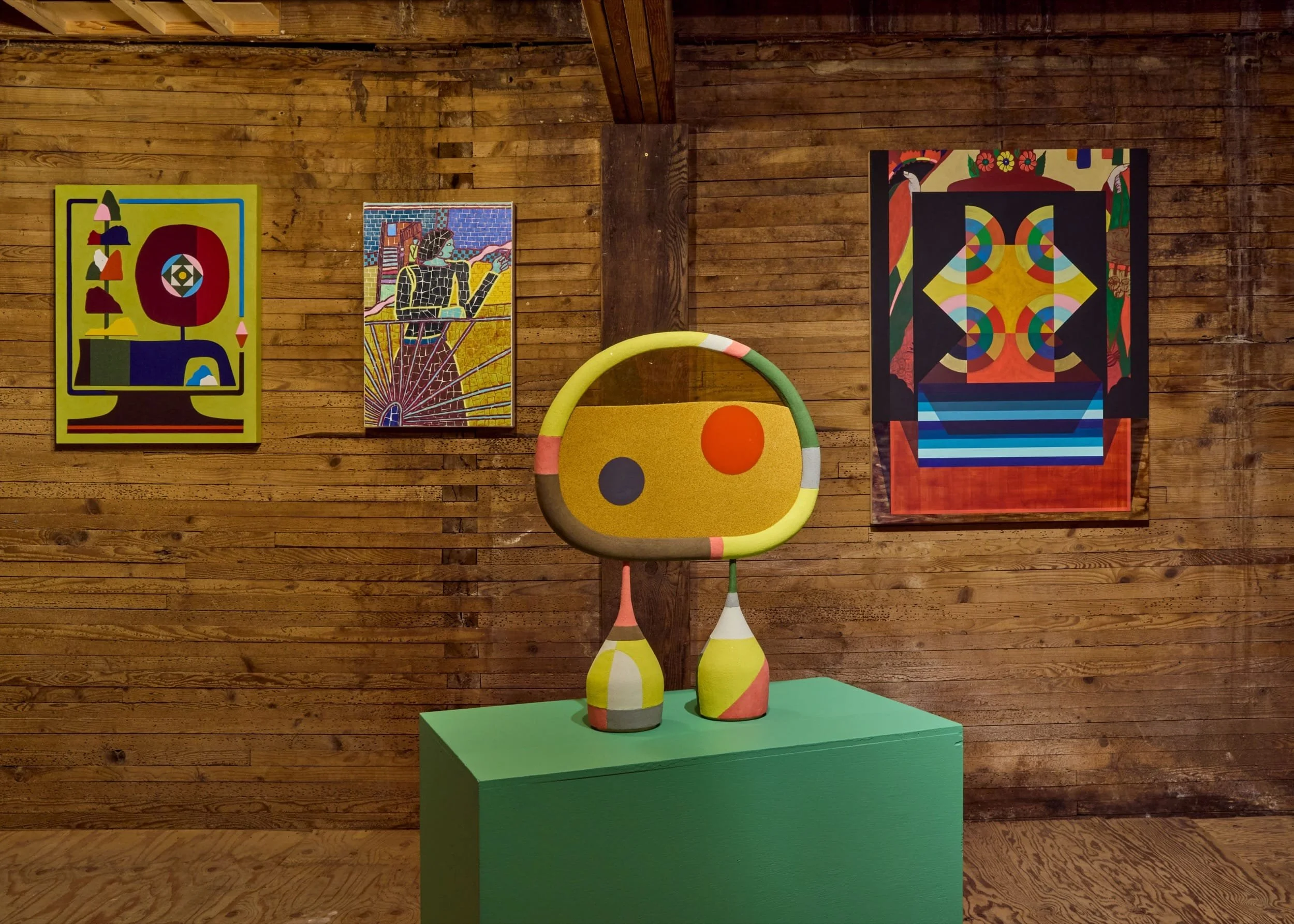
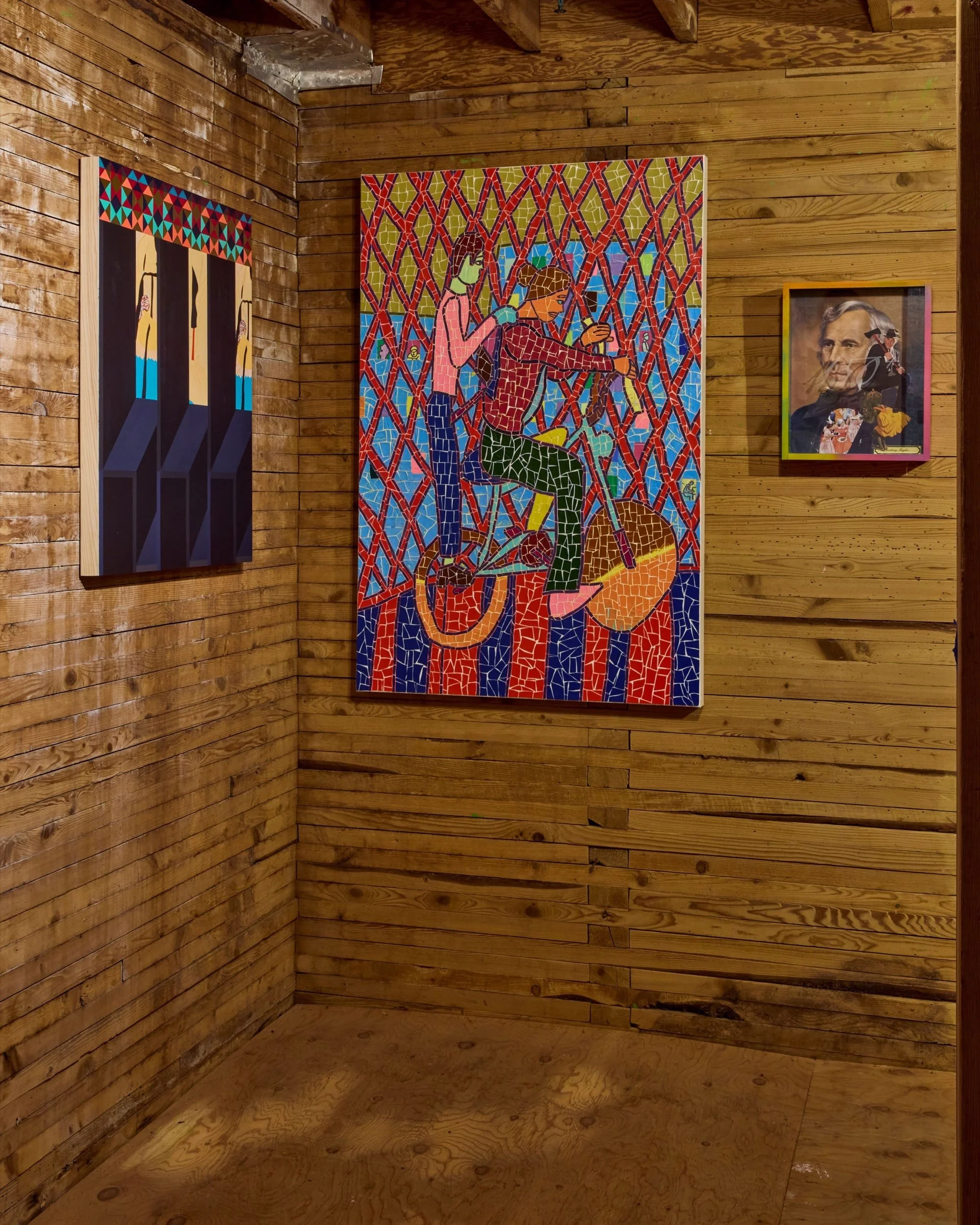
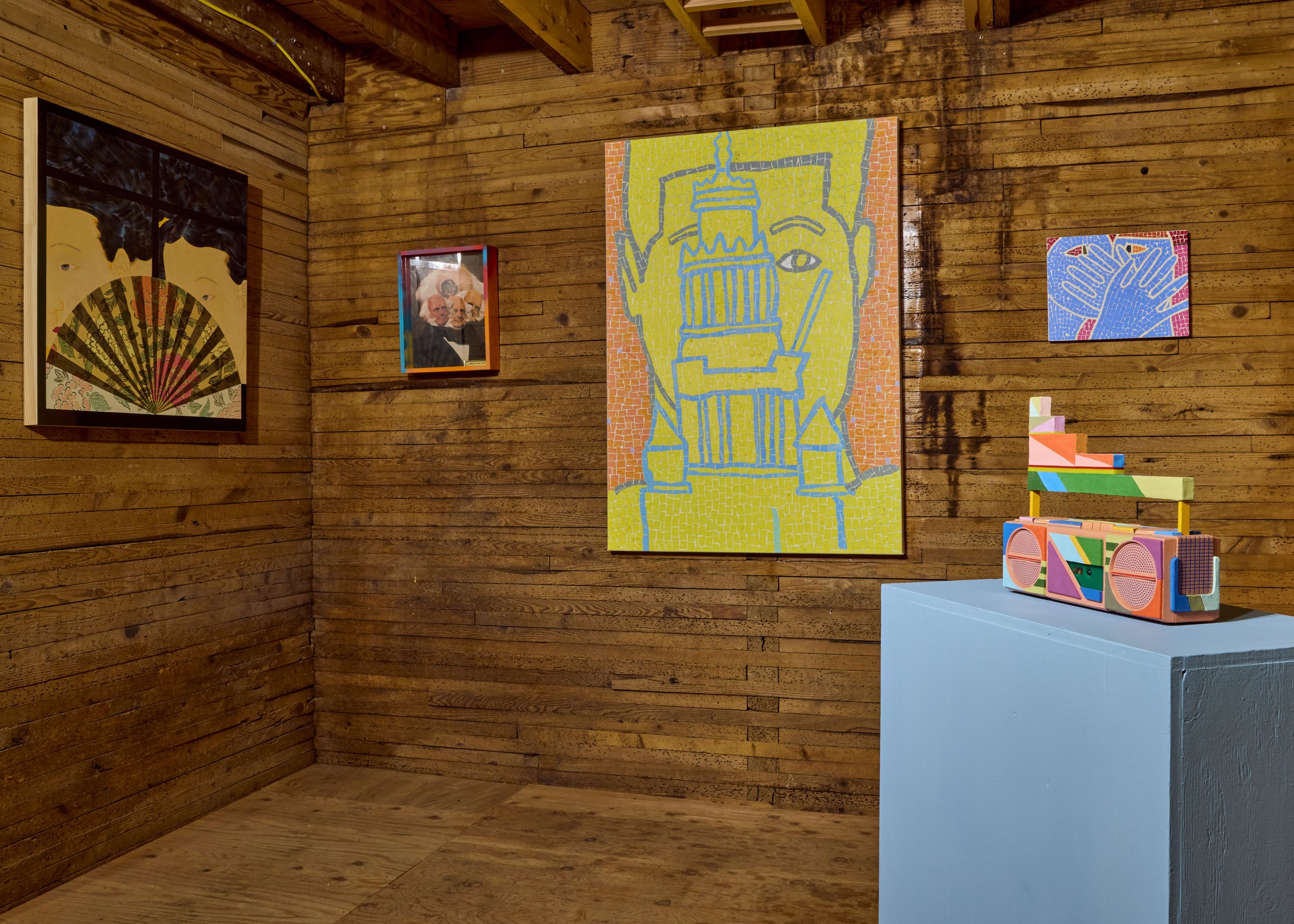
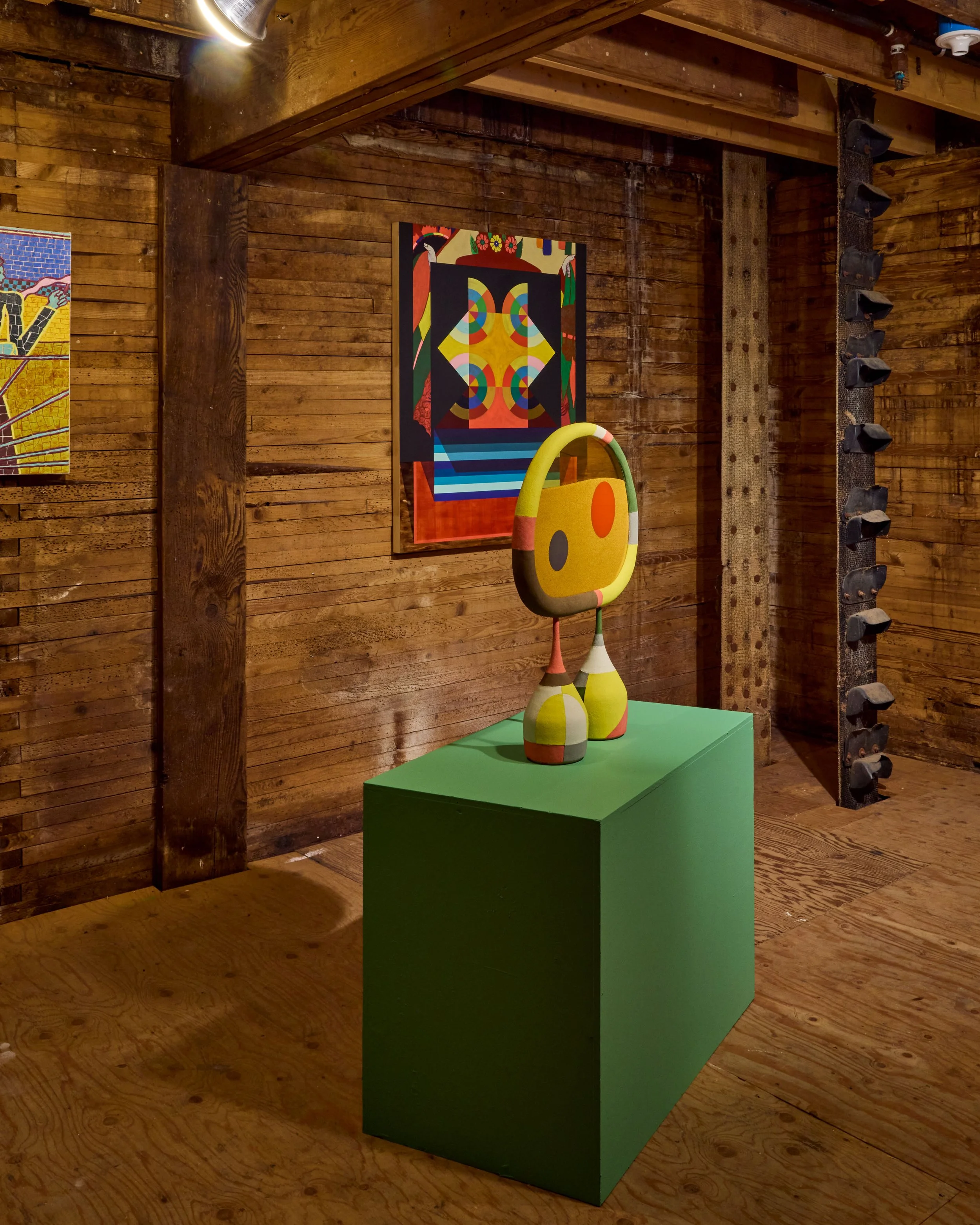
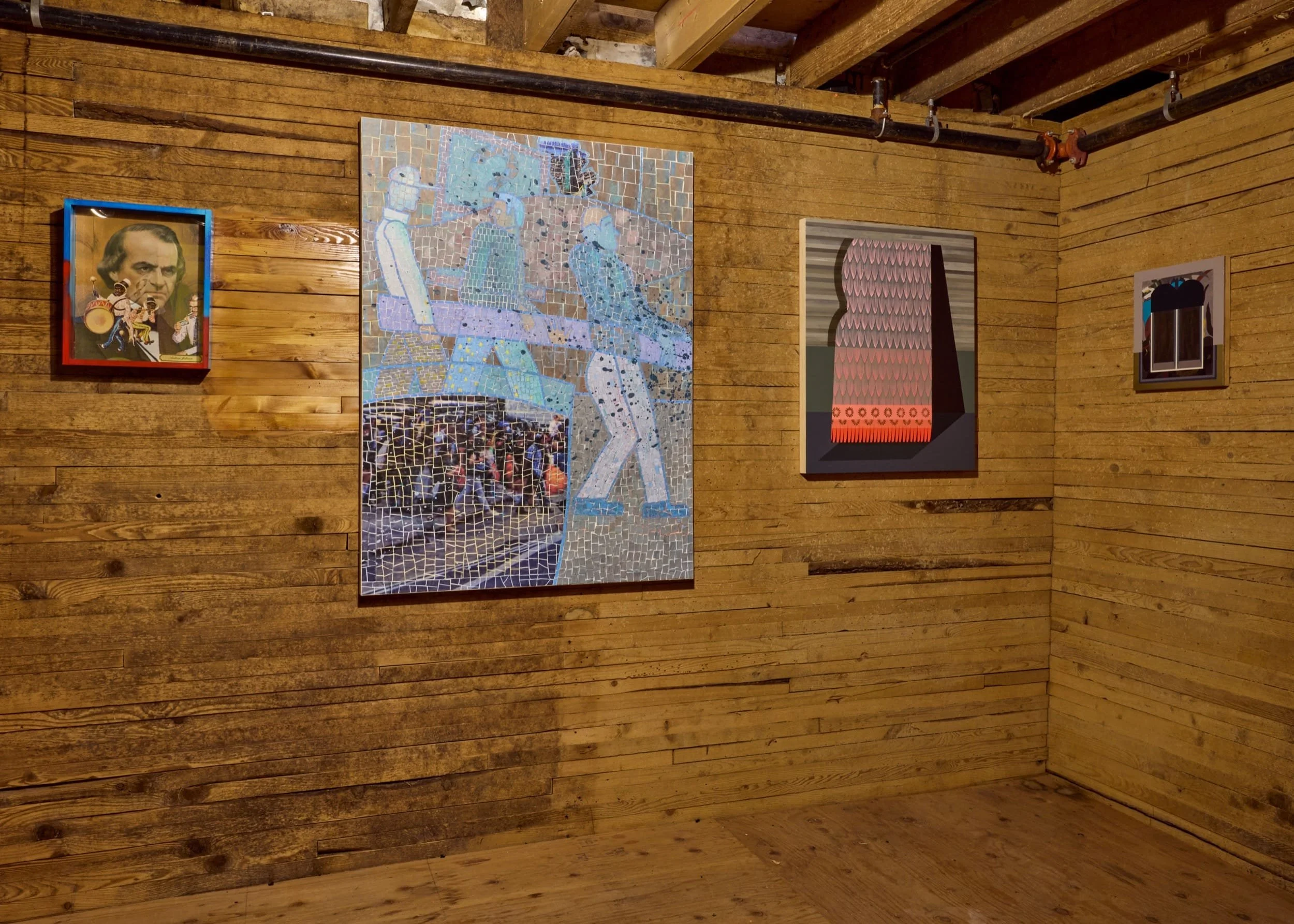
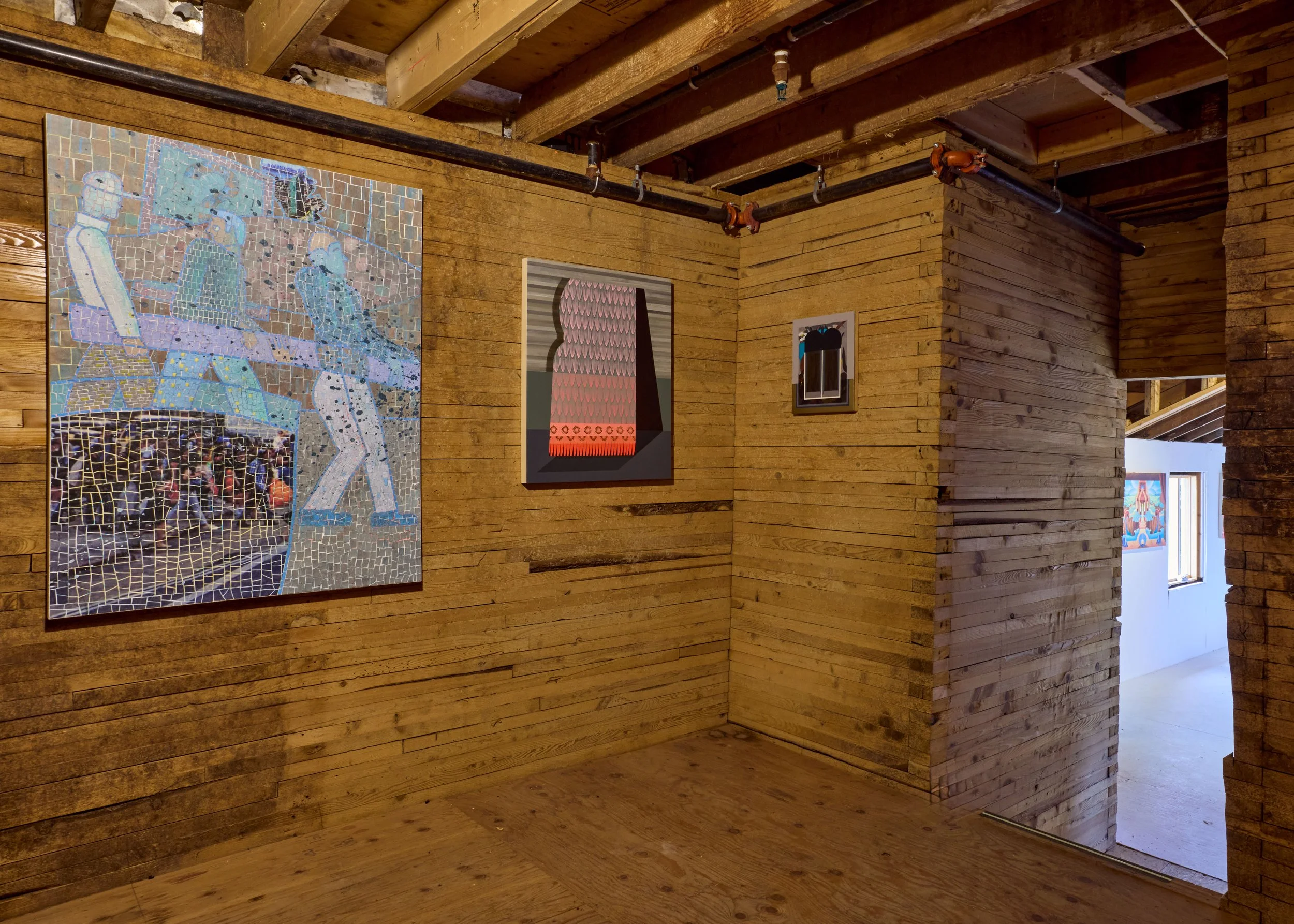
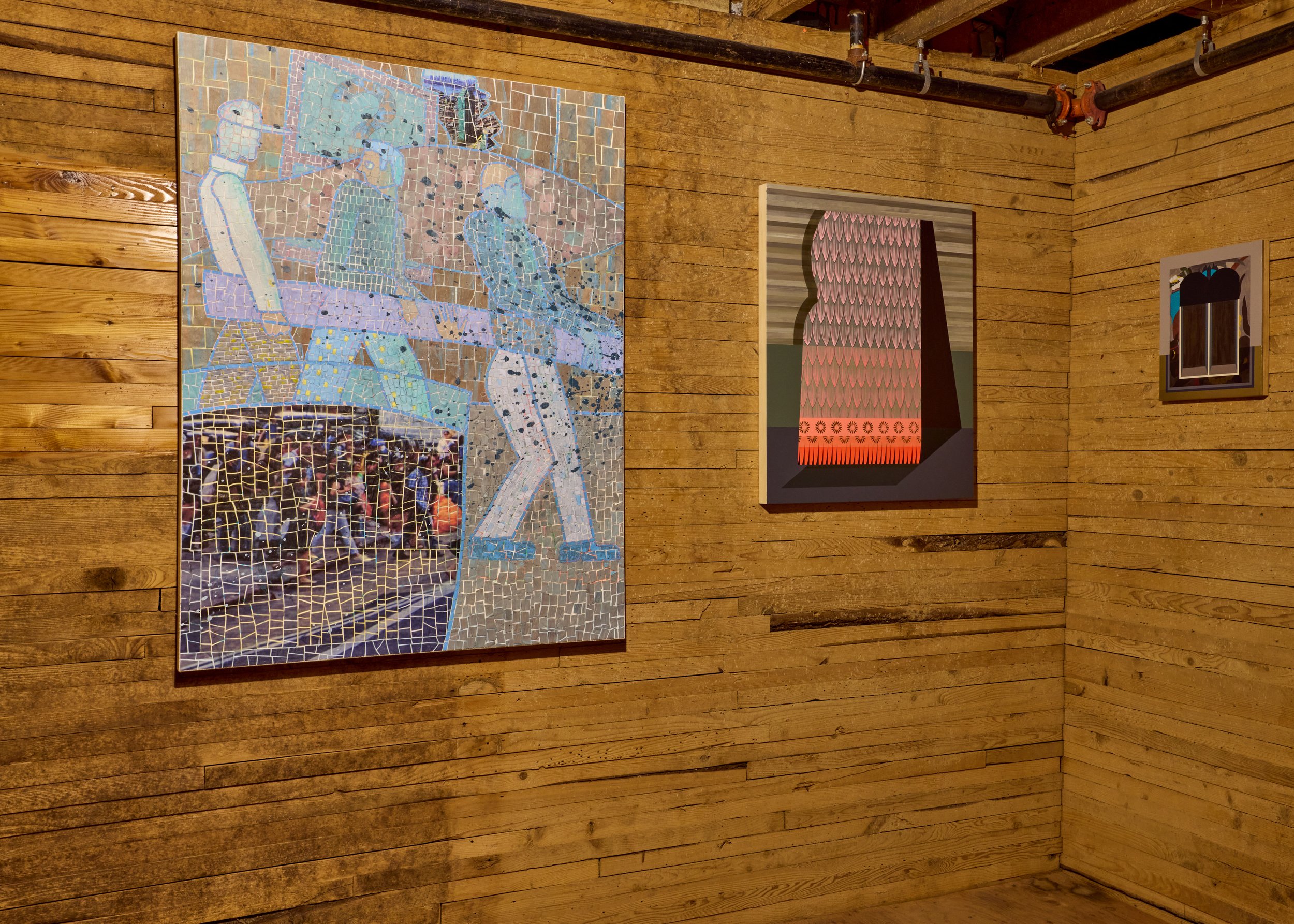
Zakariya Abdul-Qadir, Lisa Alonzo, Joshua Bienko, Lilli Carré + Laura Harrison, Saul Chernick, Genevieve Cohn, Kelly Cox, Matthew Cronin, Elise Dean Wolf, Delano Dunn, Aaron Feltman, Alexis Gallo, Dennis Gordon, Samuelle Green, Jessica Hargreaves, Isys Hennigar, Davina Hsu, Margaret Jacobs, Linye Jiang 江麟冶, Amir Khadar, Heejo Kim, Nate King, Beth Krebs, Mary Laube, Ace Lehner, Magicfeifei, Victoria Manning, Hayley Labrum Morrison, Tim Olson, Clarissa Pezone, Michael Polakowski, Jocelyn Reid, Heather Renée Russ, Jairo Serna, Qin Tan, McKinzie Trotta, Vanessa Villarreal, Tamsen Wojtanowski
“Because, now is the time of monsters, our 2026 Summer Exhibition, features 39 artists in and around Maxon Mills throughout the summer. Our show's title points back to Antonio Gramsci's Prison Notebooks, written from a fascist prison cell, where he described the interregnum, the space between a dying world and one not yet born, as fertile ground for opportunists and monsters alike. That prism splits our own moment too: what was whole comes apart, and what fills the spaces between is yet to be determined. The artists in this show have answered from somewhere inside it. Among the works shown are Tim Olson's illuminated wooden constructions staging the seven deadly sins and heavenly virtues inside American motels and beauty academies; large-scale cyanotype prints by Tamsen Wojtanowski where shadowy figures and creatures drift between worlds above and below ground; an enormous inflatable sculpture of teeth and gums by Magicfeifei; Matthew Cronin's photographs of constructed domestic interiors where lattice, florals, and shuttered light make the familiar feel like a half-remembered dream; Kelly Cox's ceramic bear traps and mousetraps in muted pastels; Heejo Kim's paintings where entire galaxies spiral inside coffee cups held by unseen hands; and Vanessa Villarreal's denim mosaic portraits stitched with the weight of devotion and lineage. Floor by floor, the show builds into something between a vision and a fever dream. Because, now is the time of monsters.” —Wassaic Project
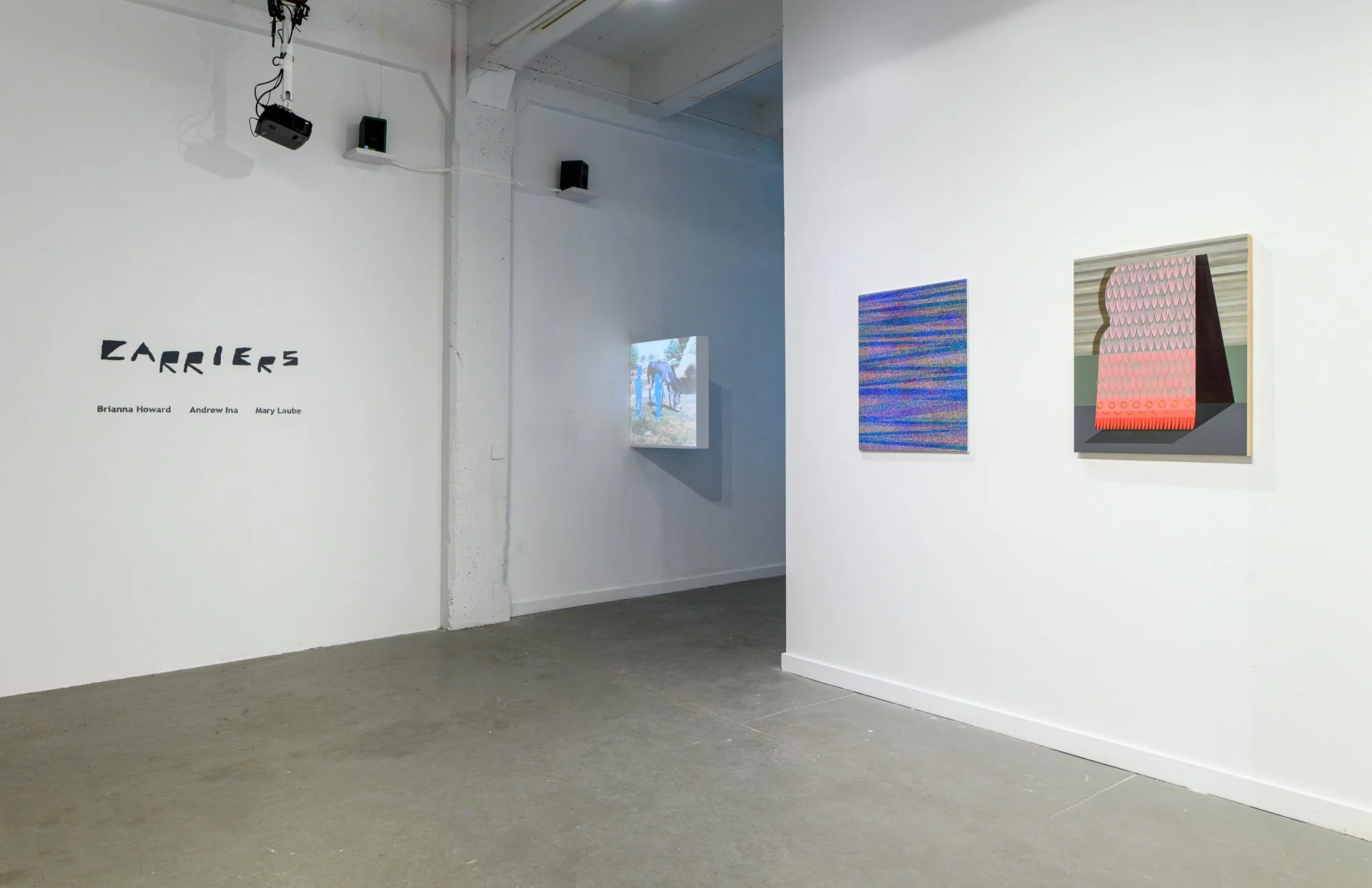
Carriers: Brianna Howard, Andrew Ina, Mary Laube
Tiger Strikes Asteroid Philadelphia
January 31 - March 14, 2026
1400 N American St #107, Philadelphia, PA 19122
Curated by:
Olivia Guarnieri
Sunny Hsu
Alicia Link
Cecilia McKinnon
Opening Reception: Thursday, Feb 12, 6 - 9 pm
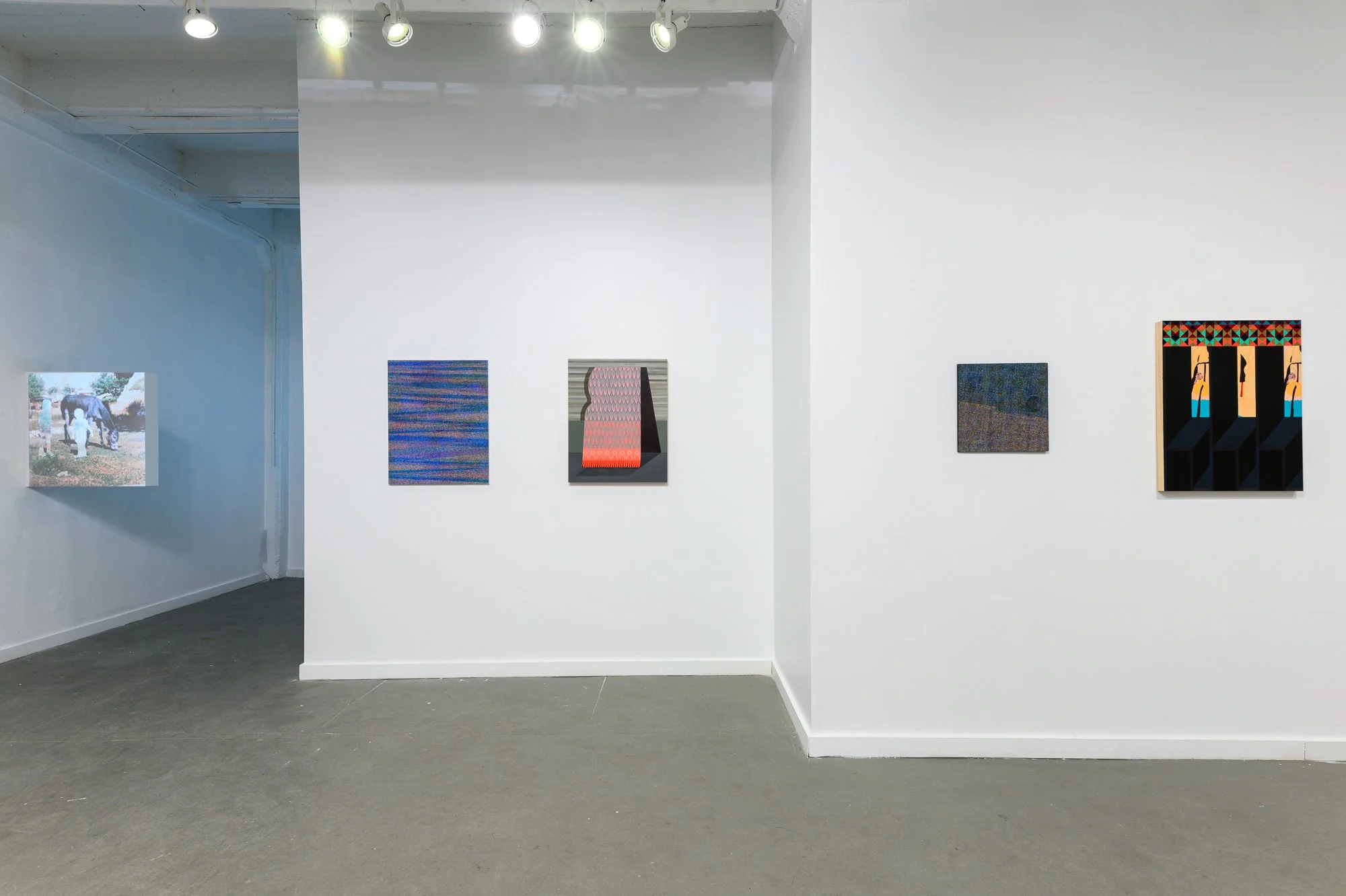
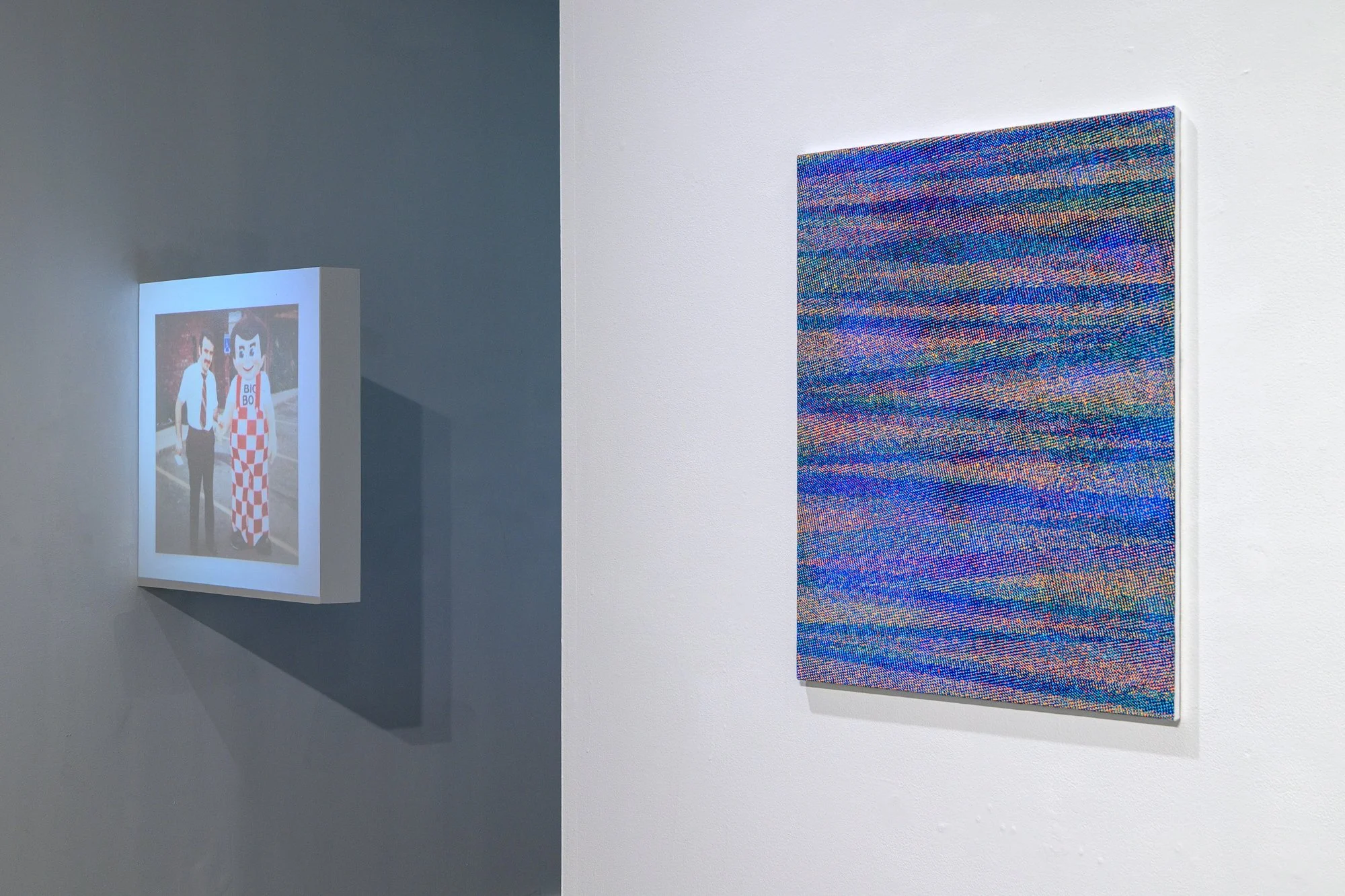
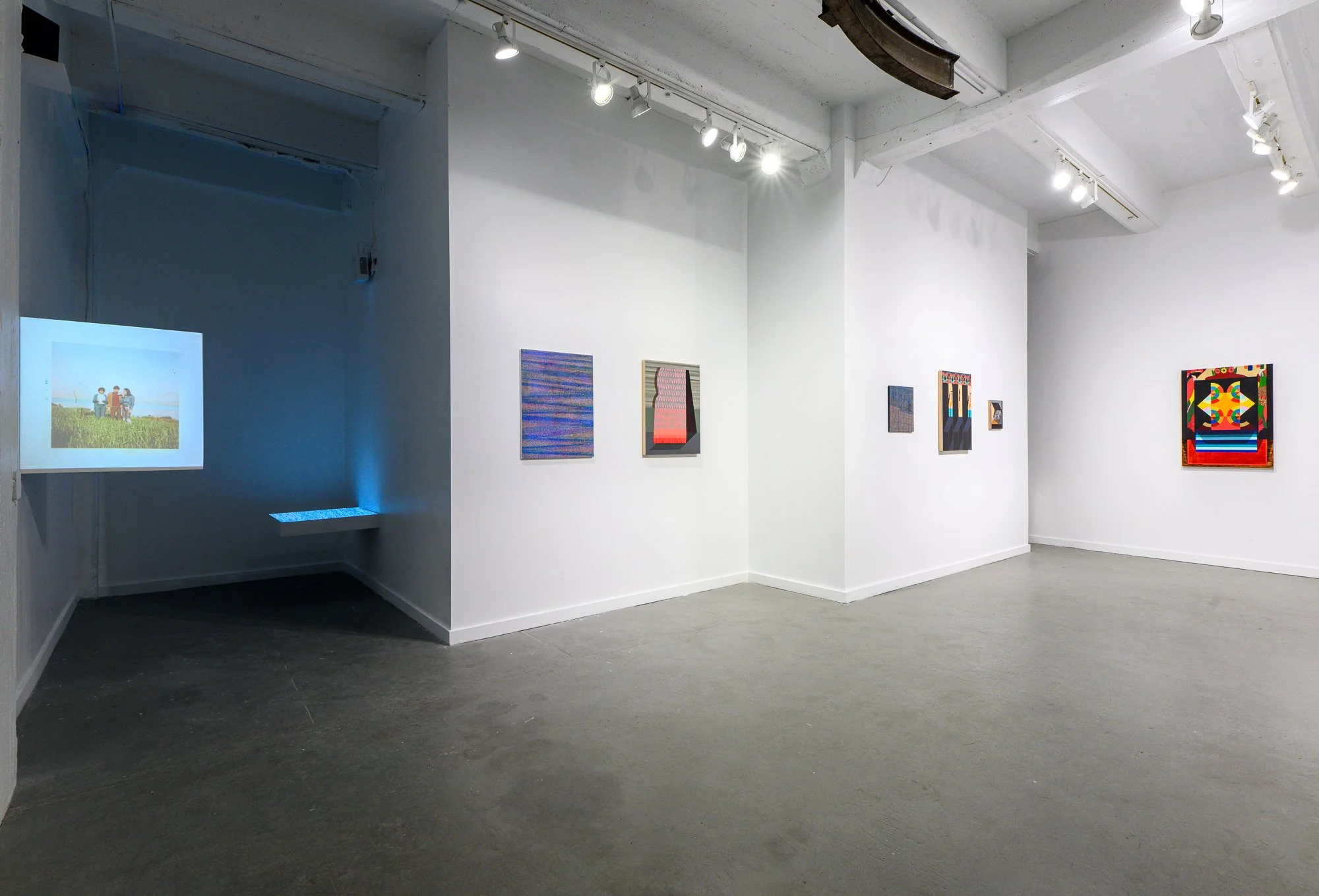
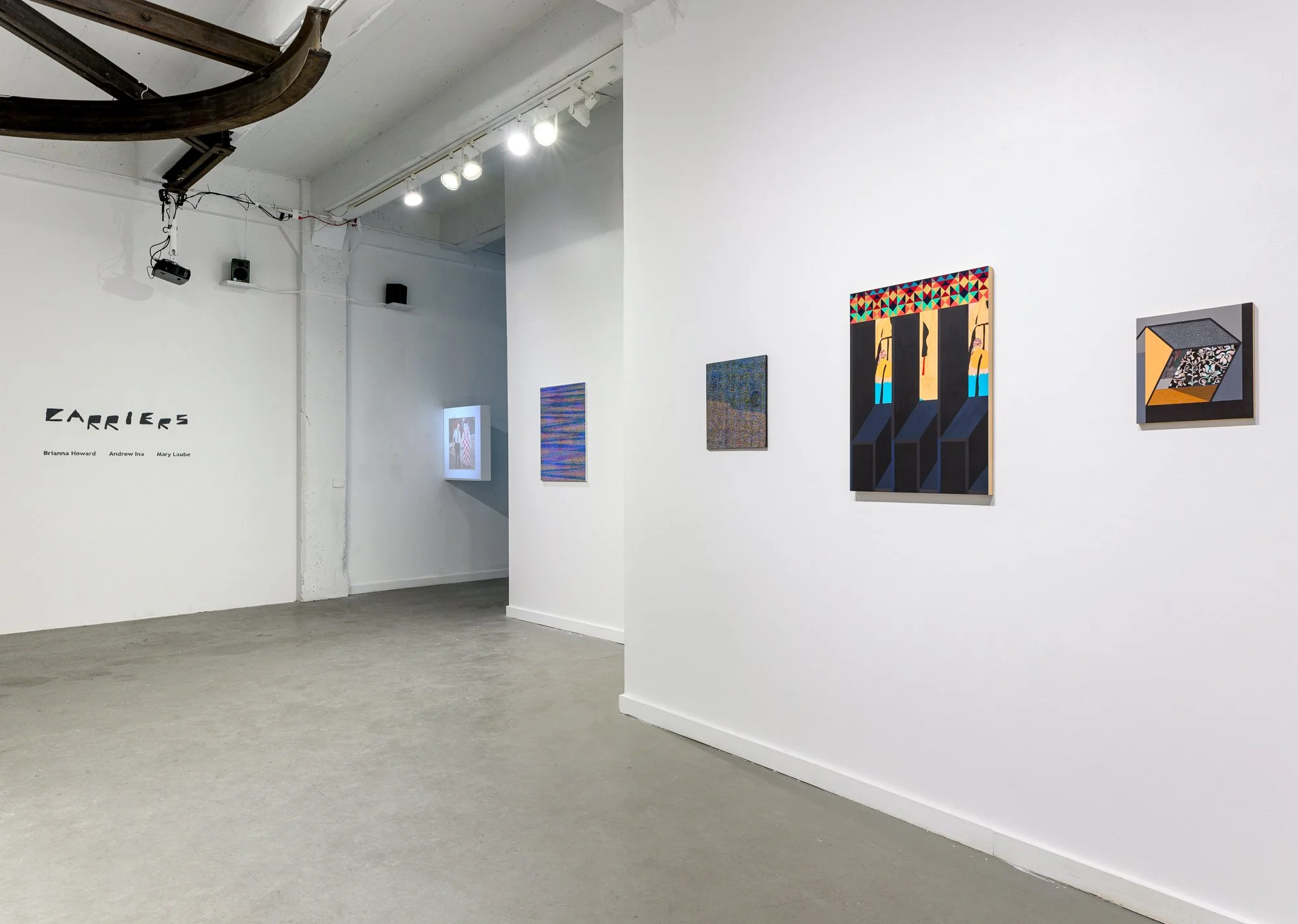
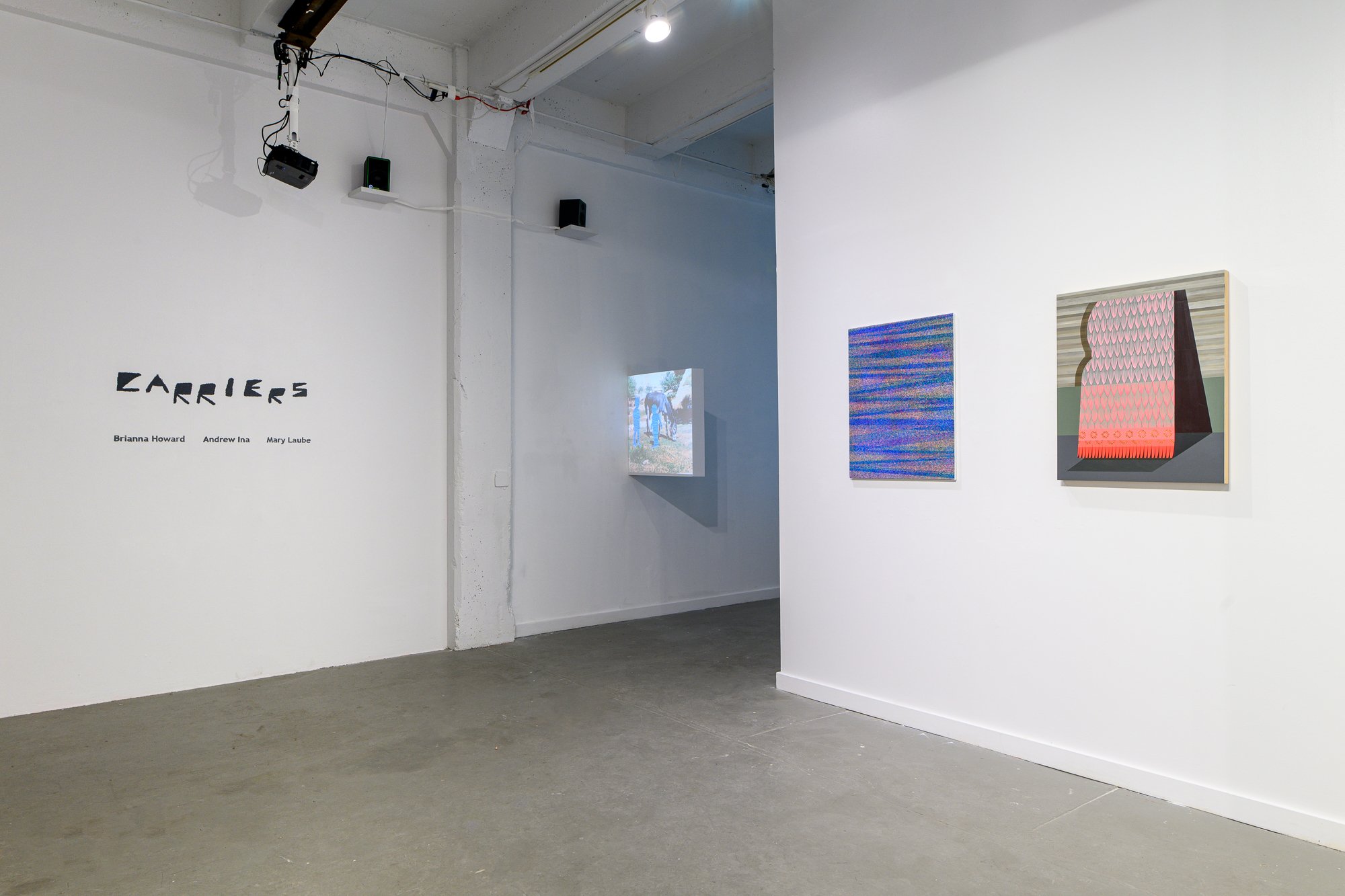
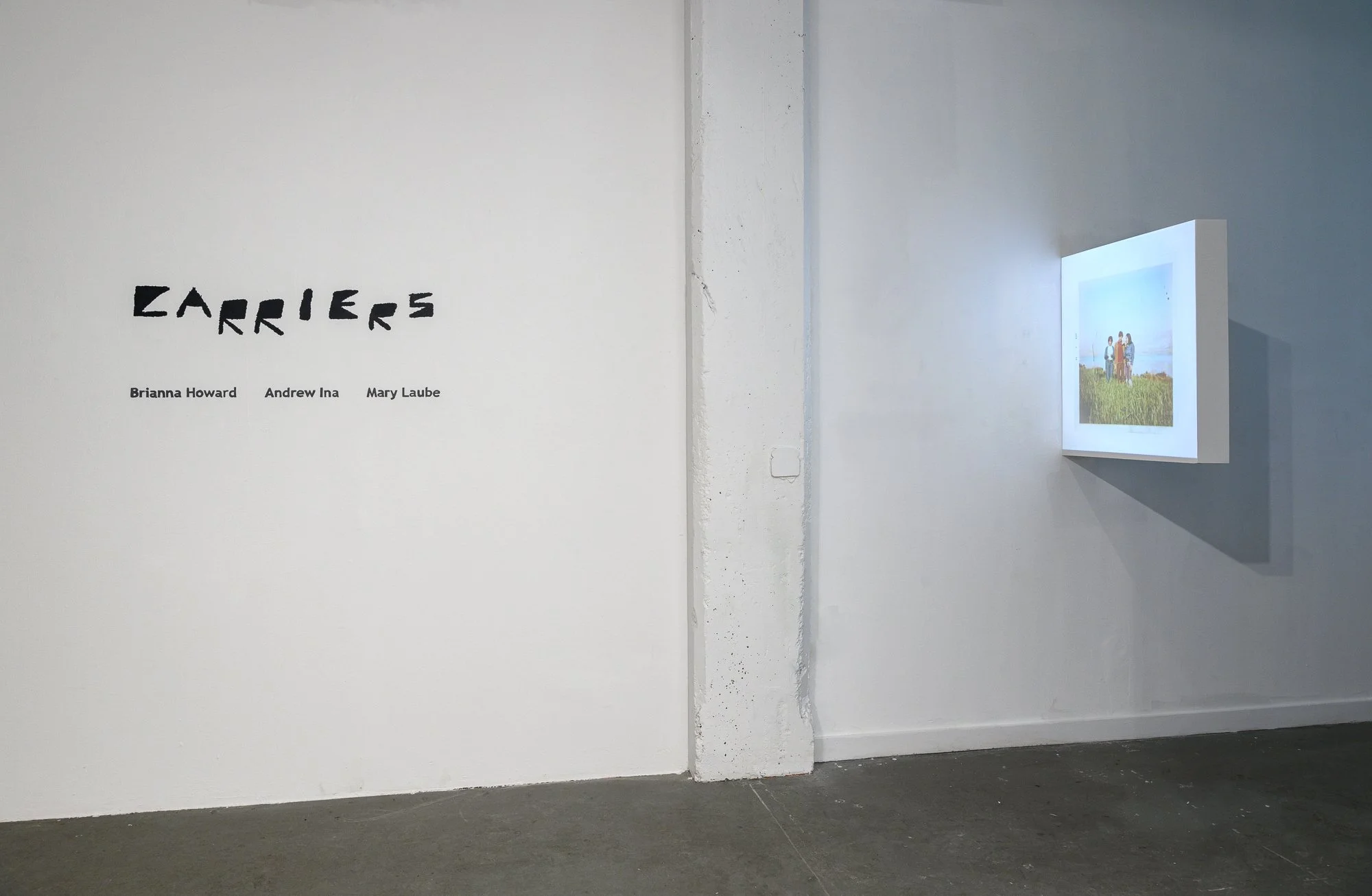
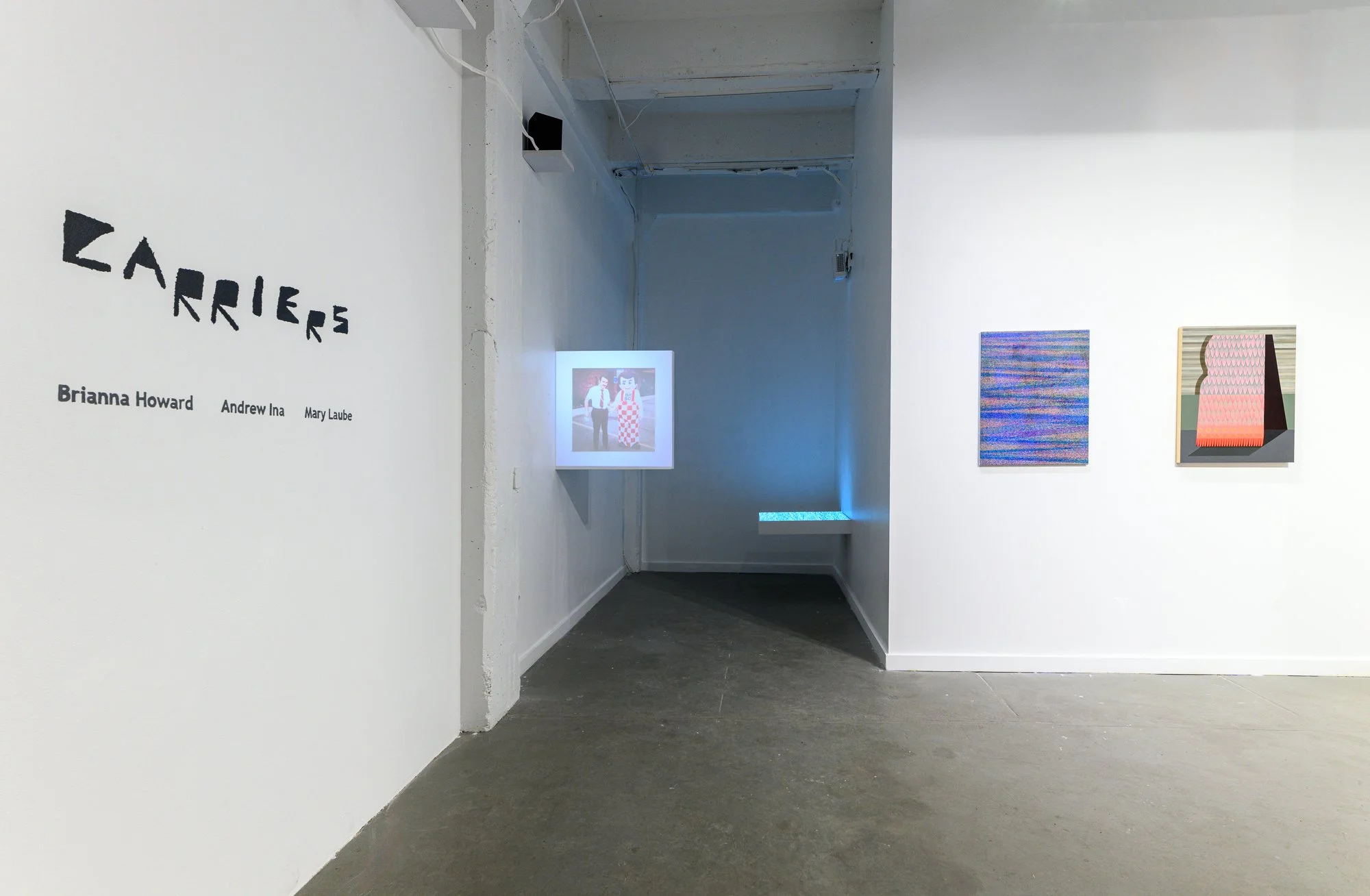
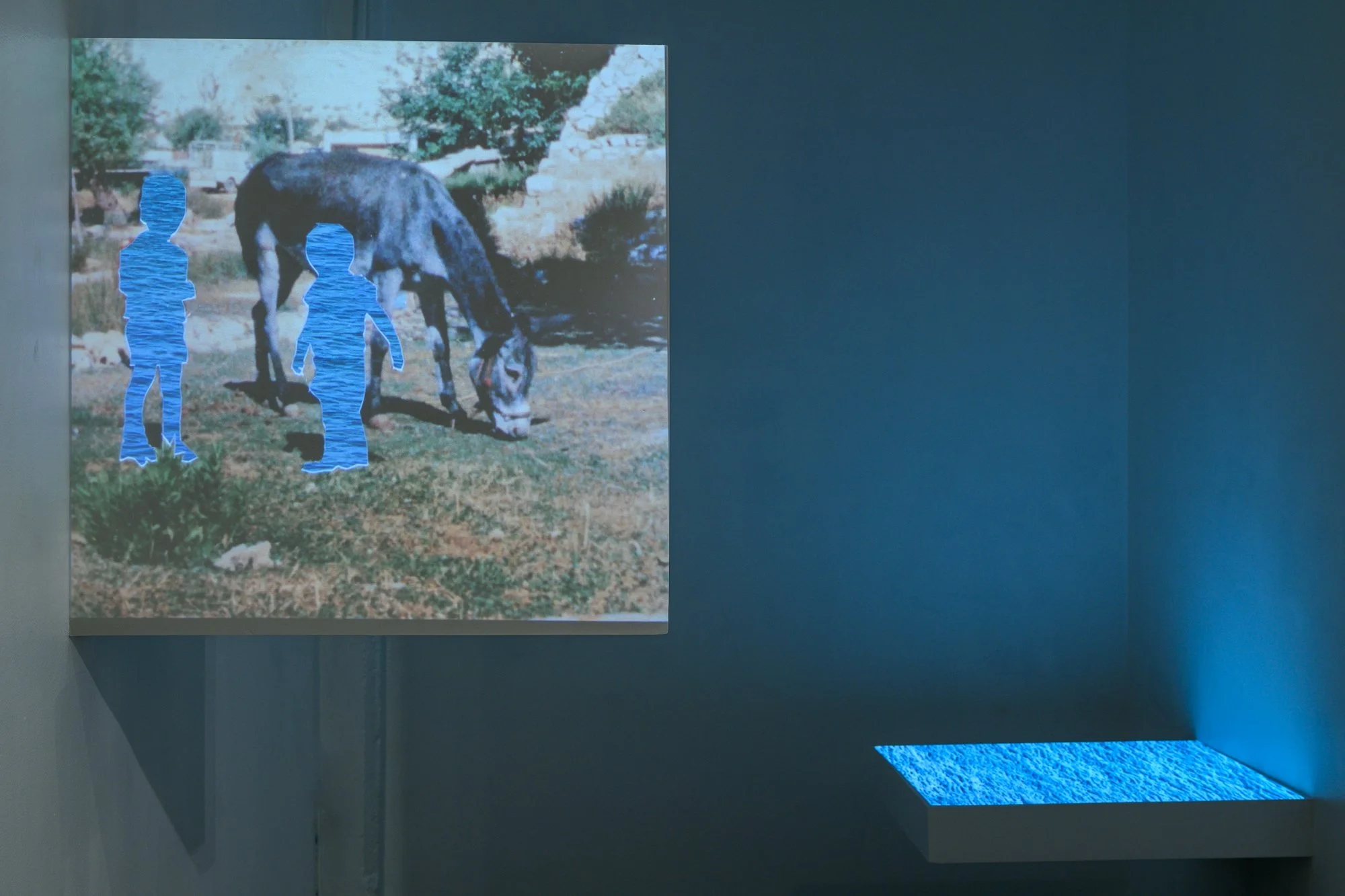
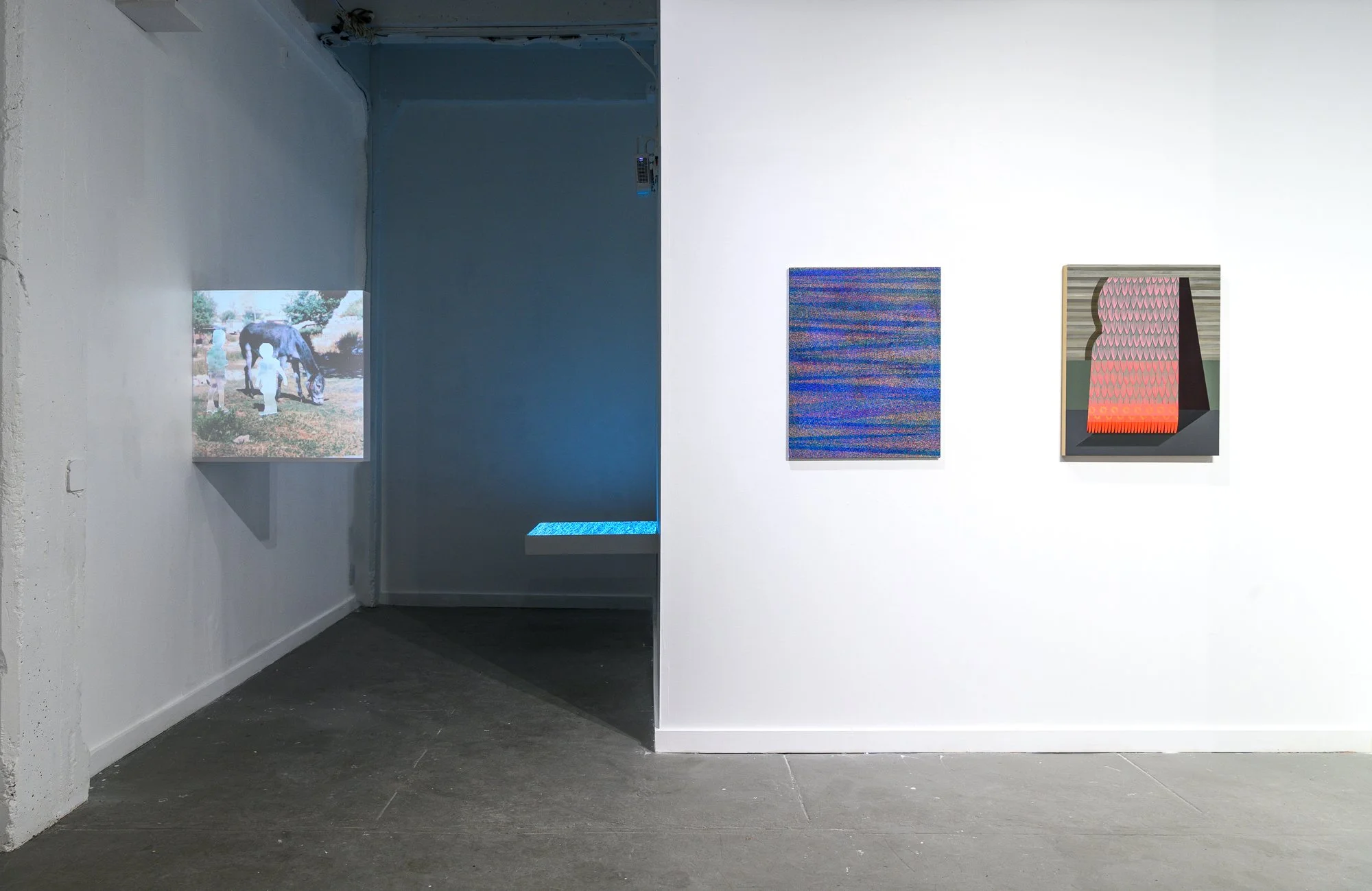
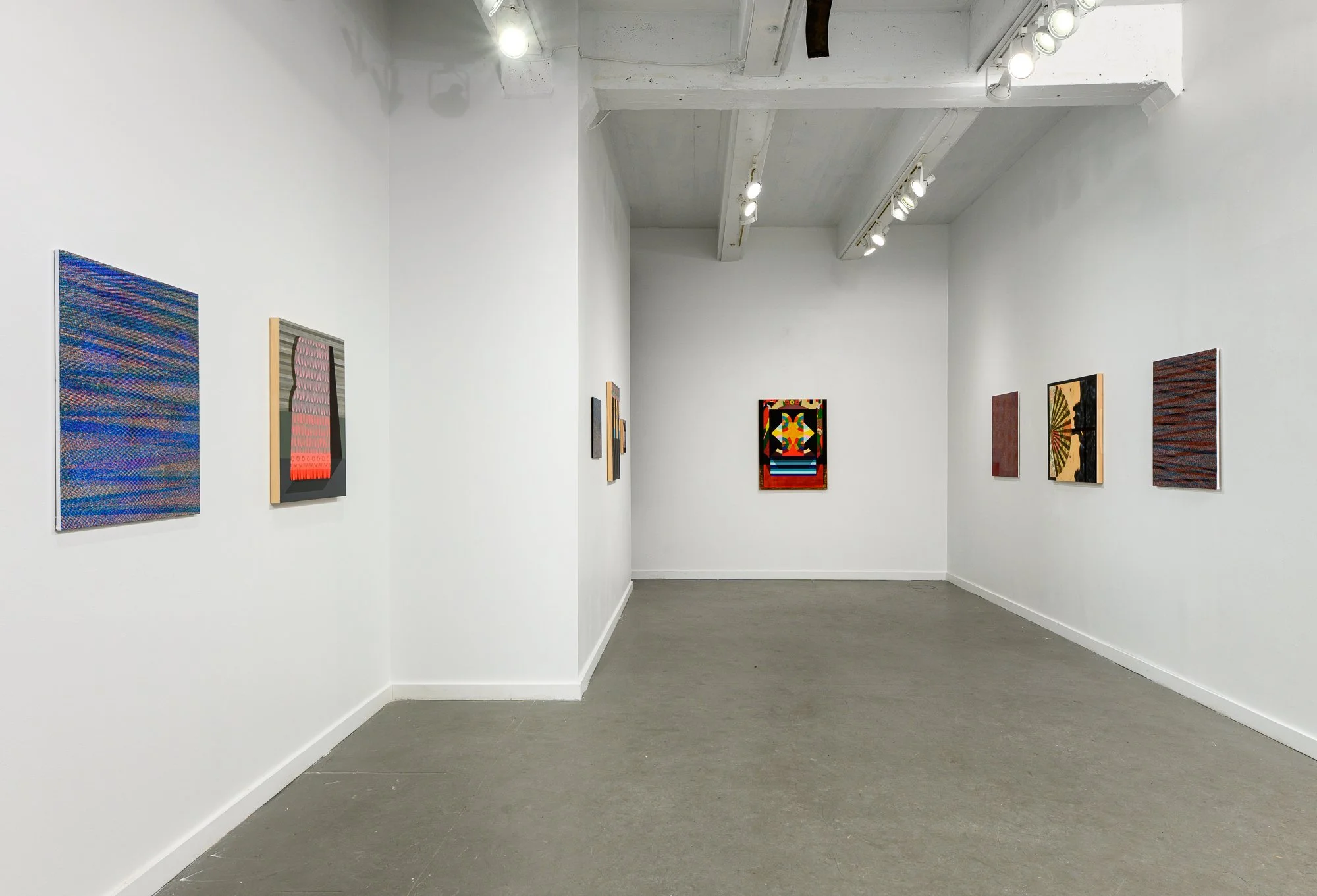
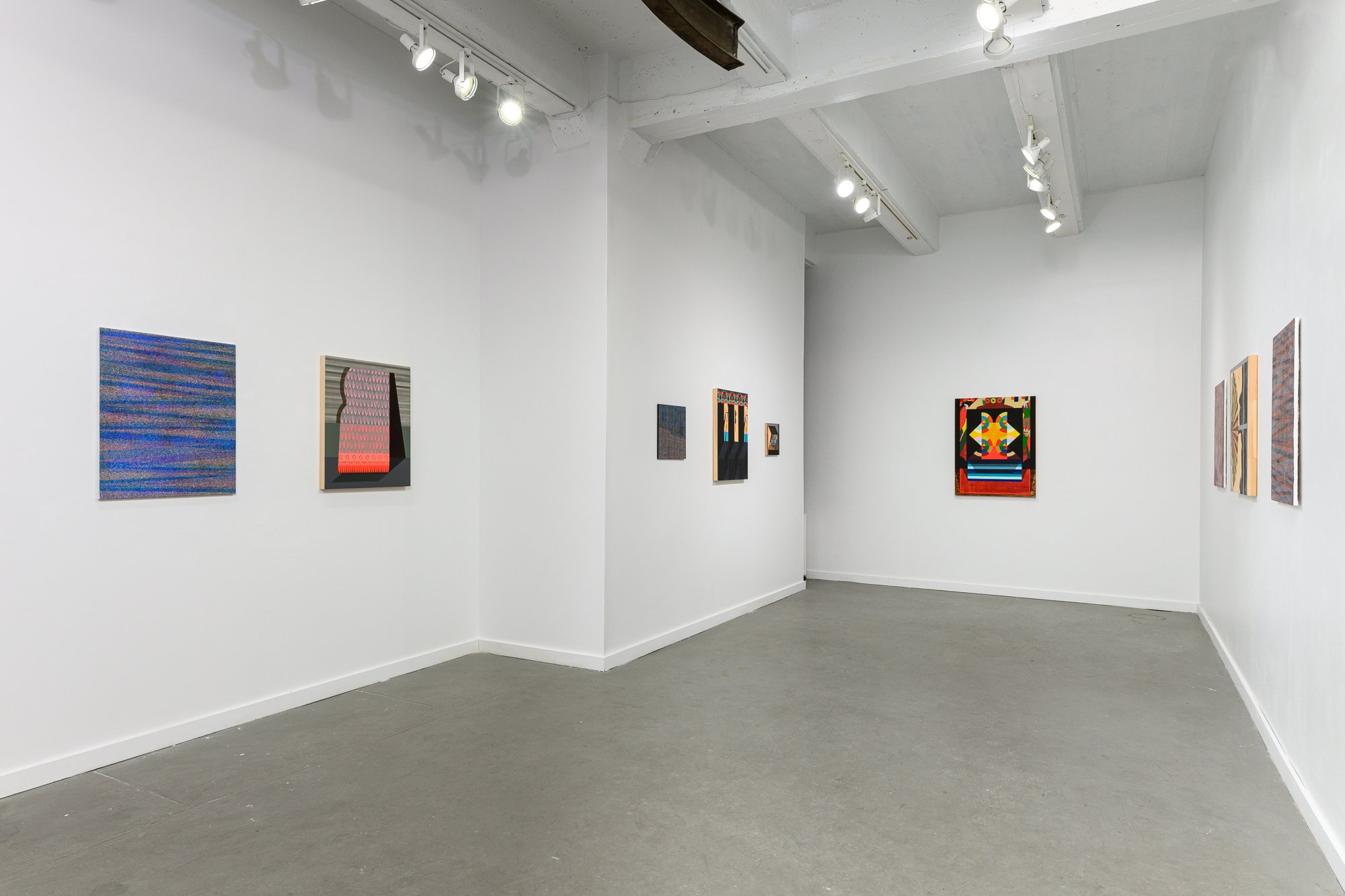
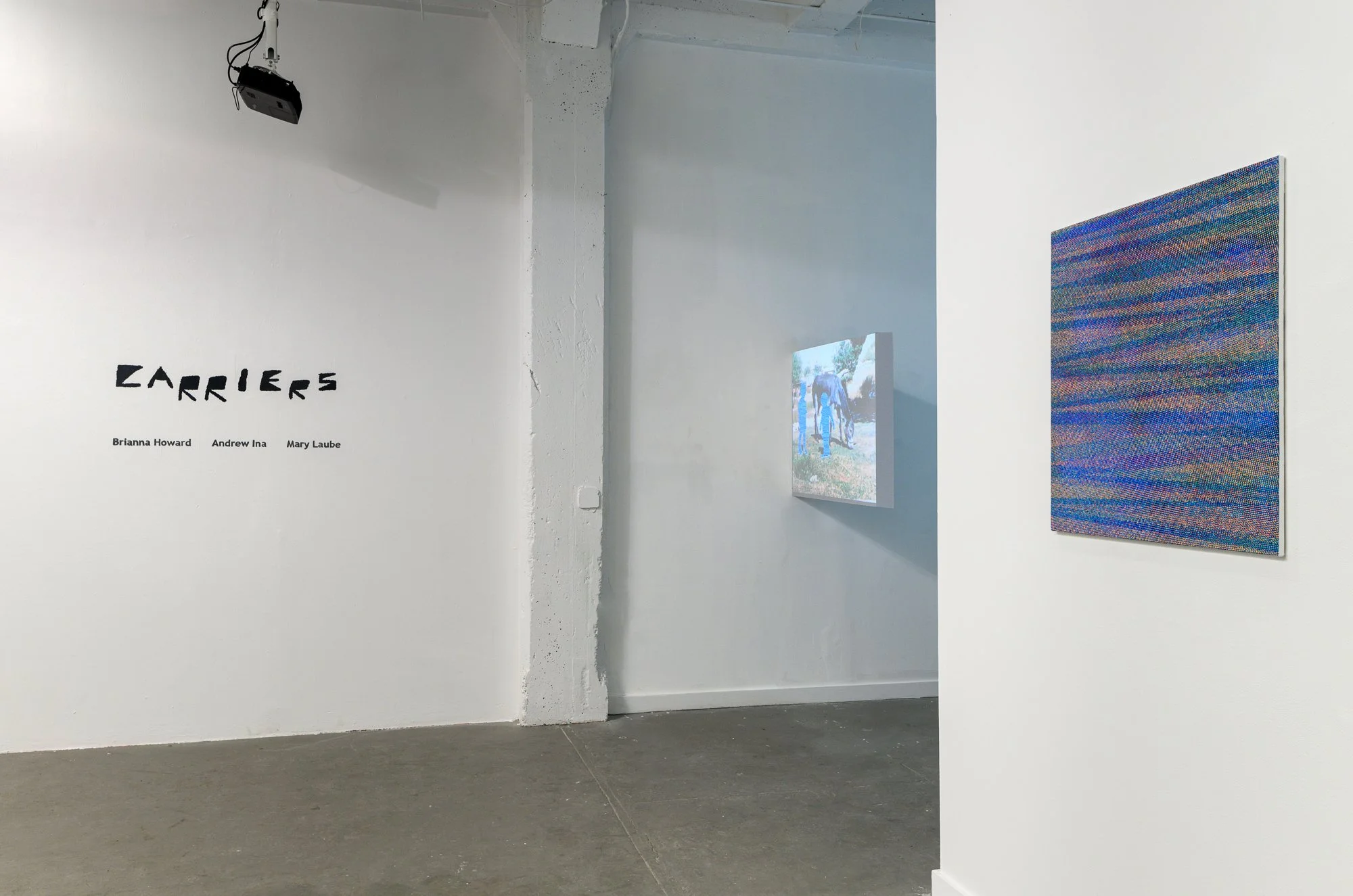
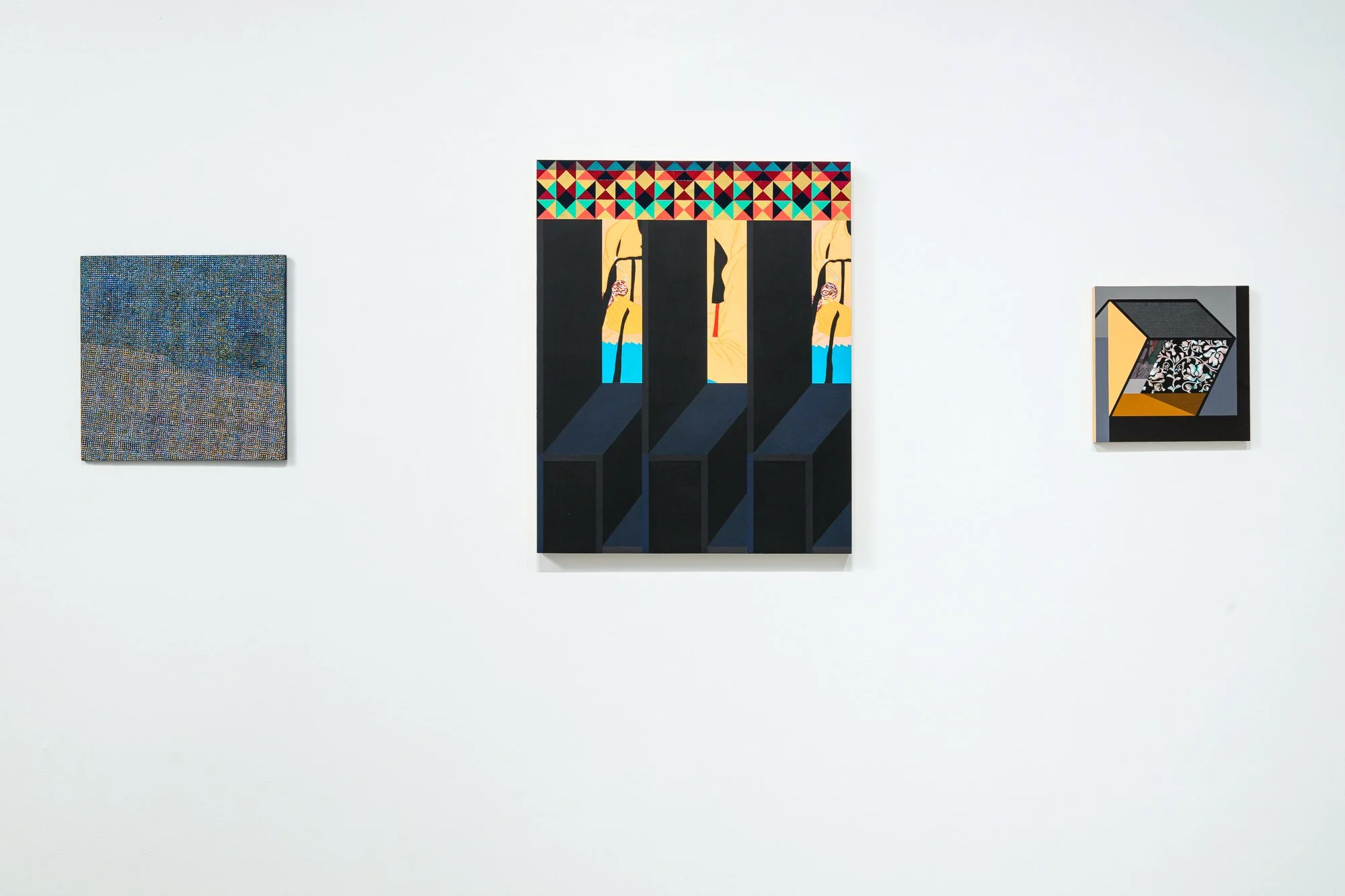
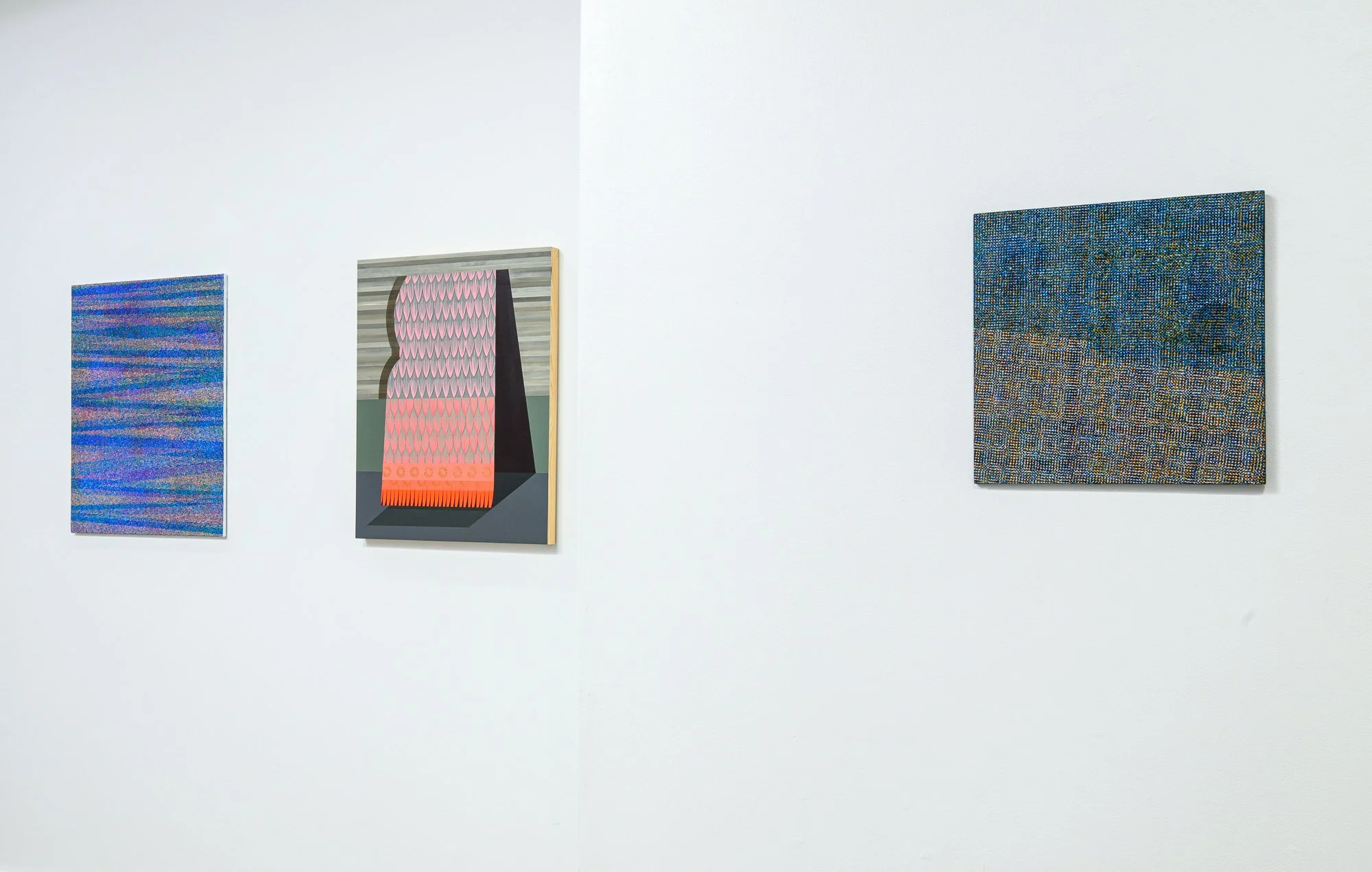
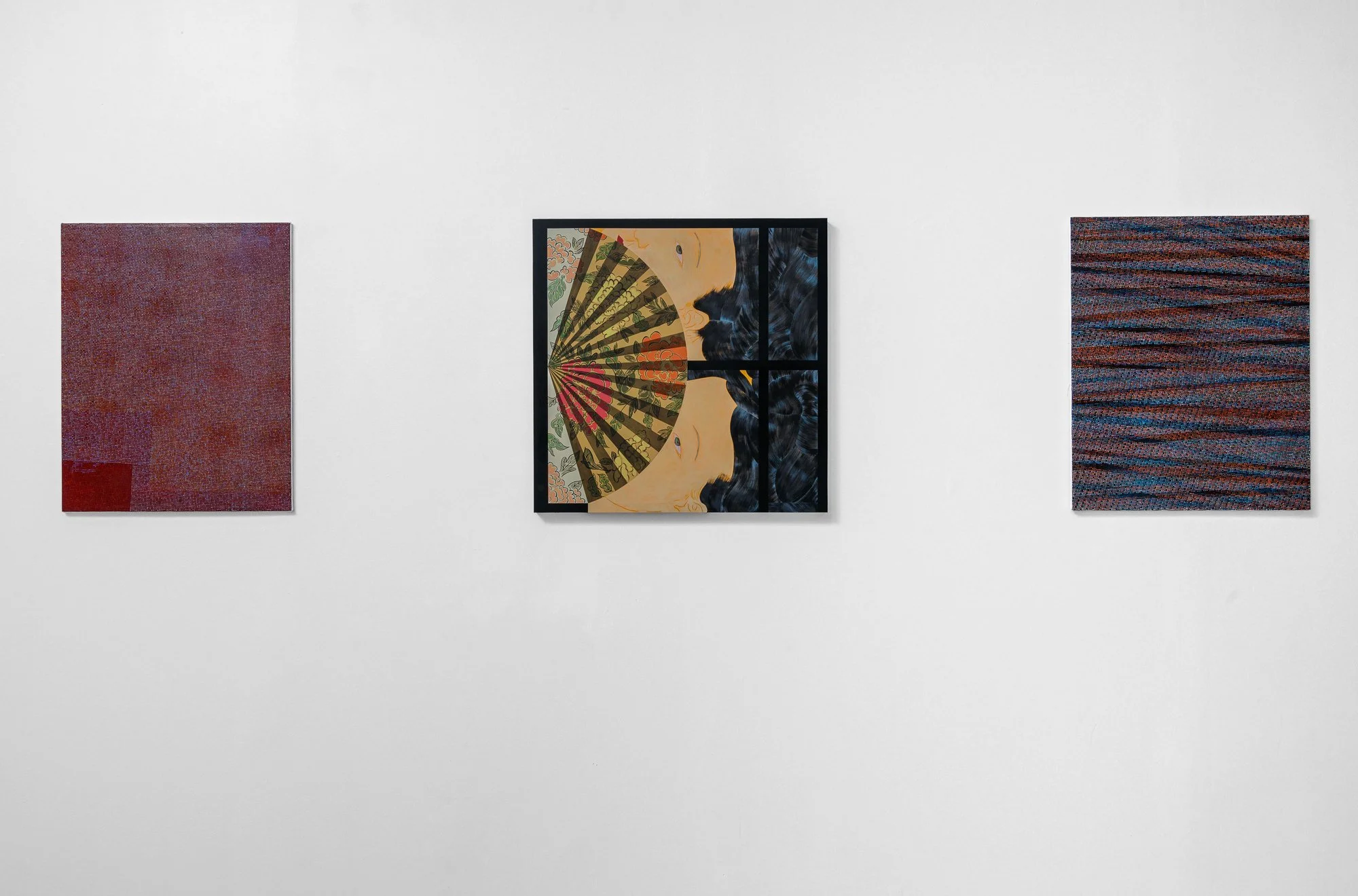
photos by Constance Mensh
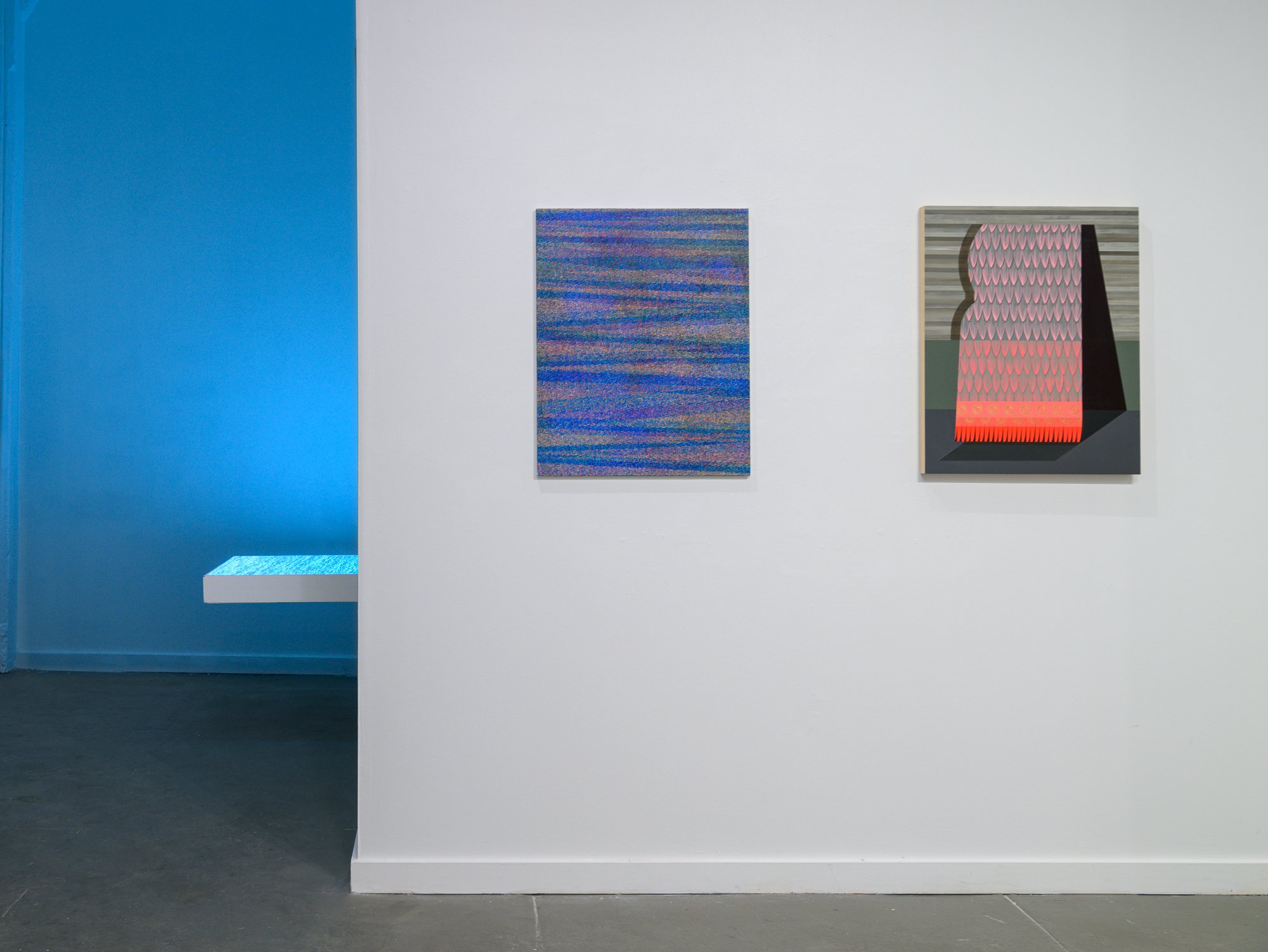
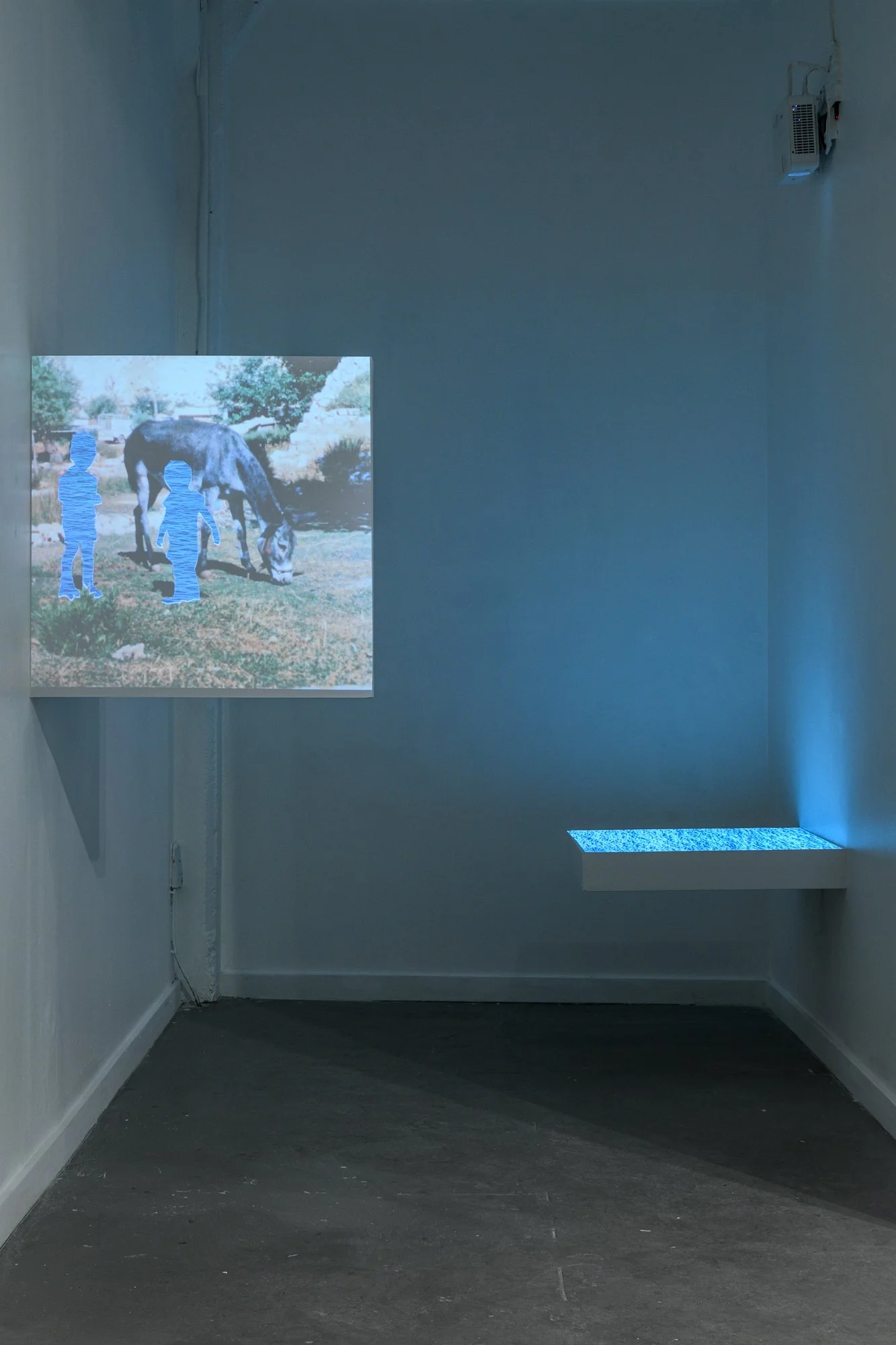
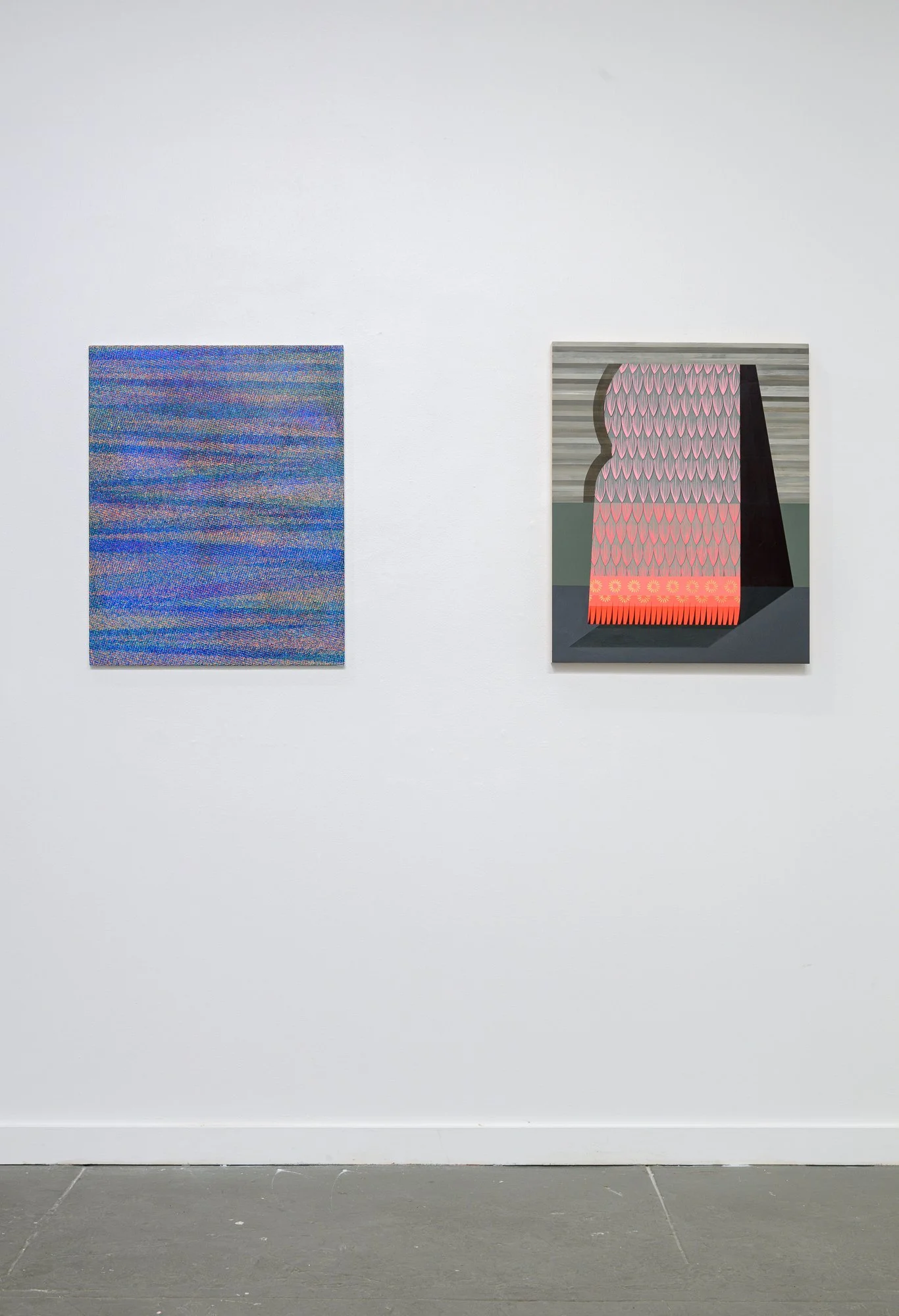
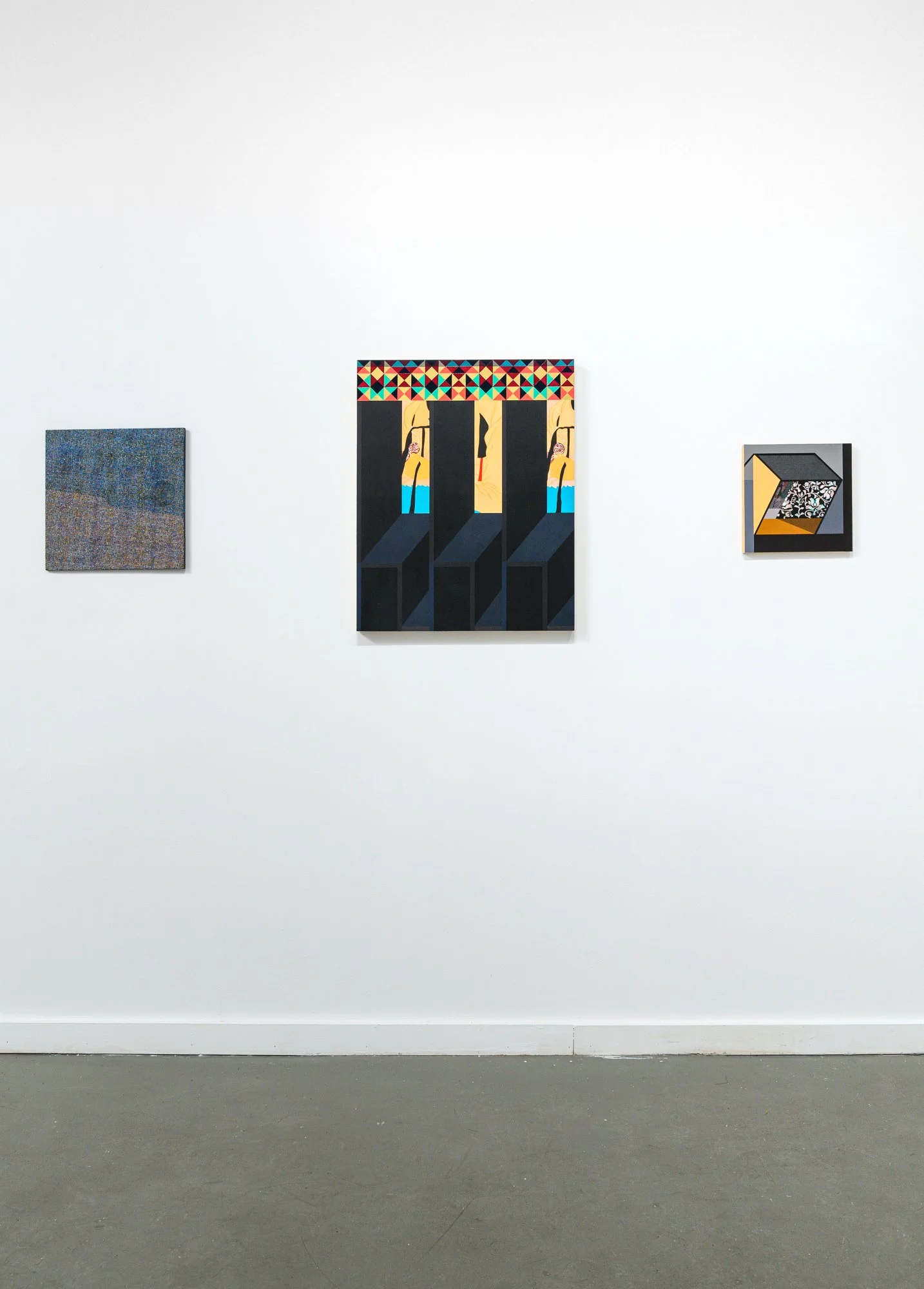
“This group of artists considers the fragmentation of both personal and cultural memory. Fragmentation often takes place gradually and results in a parallel accumulation – an accumulation of loose parts that obscure evidence, that mark efforts to preserve, and that assemble into something wholly new. Mary Laube, Brianna Howard, and Andrew Ina are concerned with the nature of this dual process. Each artist poses questions about the loss or gain that fragmentation can result in, and how we chart these ever-unfolding changes.
Mary Laube offers painted patchwork glimpses of lost or stolen cultural artifacts, frustrating a desire for proximity through partial views and barriers. Andrew Ina’s video installation traces family histories of immigration and cultural displacement within the SWANA diaspora, considering the instability of photography as a carrier of memory. Brianna Howard’s paintings question the unity of established systems of representation, abstracting images down to pixels and halftones in microscopic detail.
What materials do we place faith in to hold our individual and collective memories? When the archive is troubled, unstable, or illegible, what are the implications for personal and cultural belonging? In posing questions on the ephemerality of what gets carried through time, these artists draw attention to the layered histories we are all a part of, and the way we fill in for what is lost.” — TSA Philly
Heavy Flowers
Solo-Exhibition at Groundfloor Contemporary
August 7-23, 2025
111 Richard Arrington Jr. Blvd S, Birmingham, AL 35233
Opening Reception: Thursday, August 7, 5-7 pm
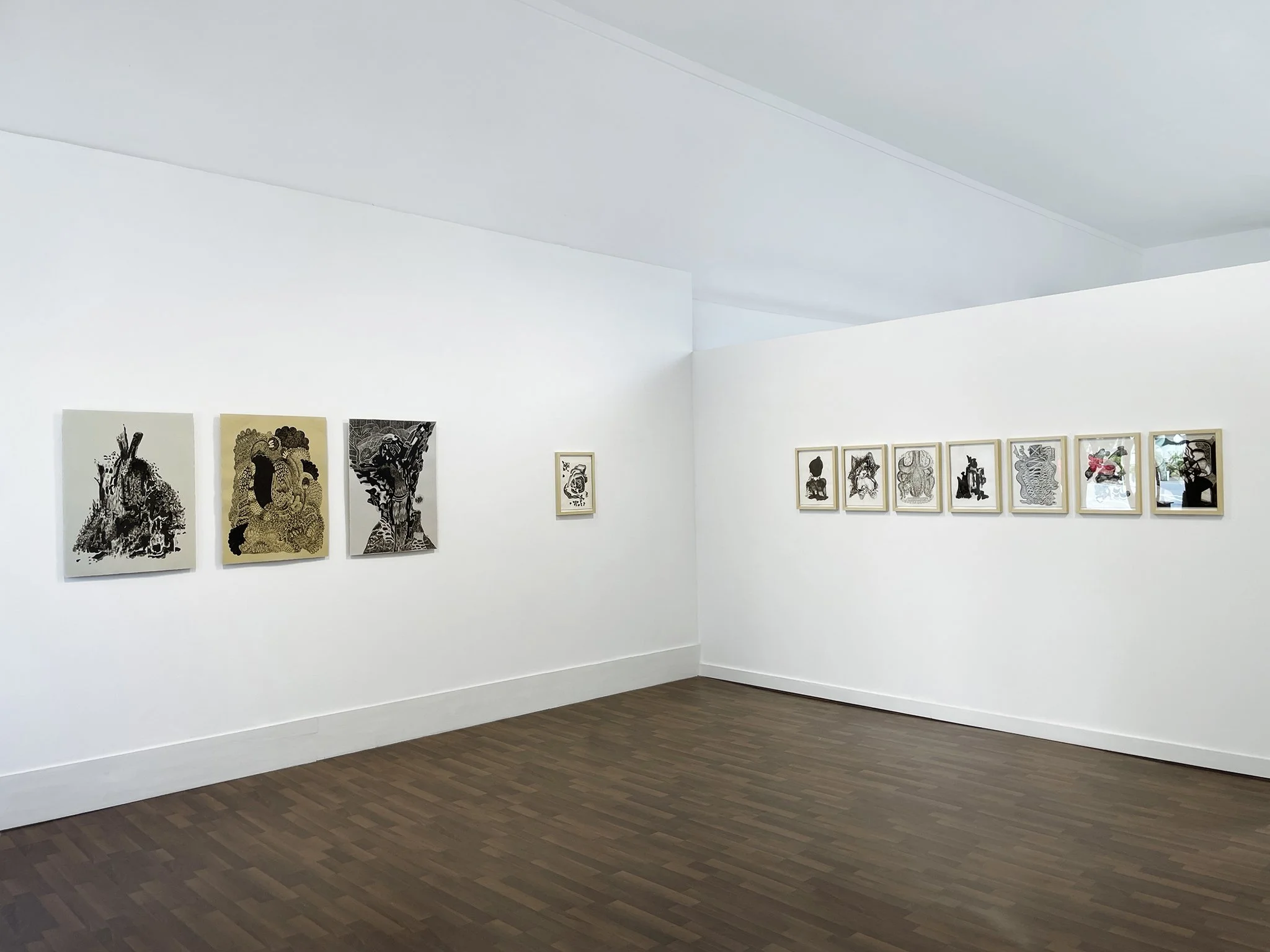
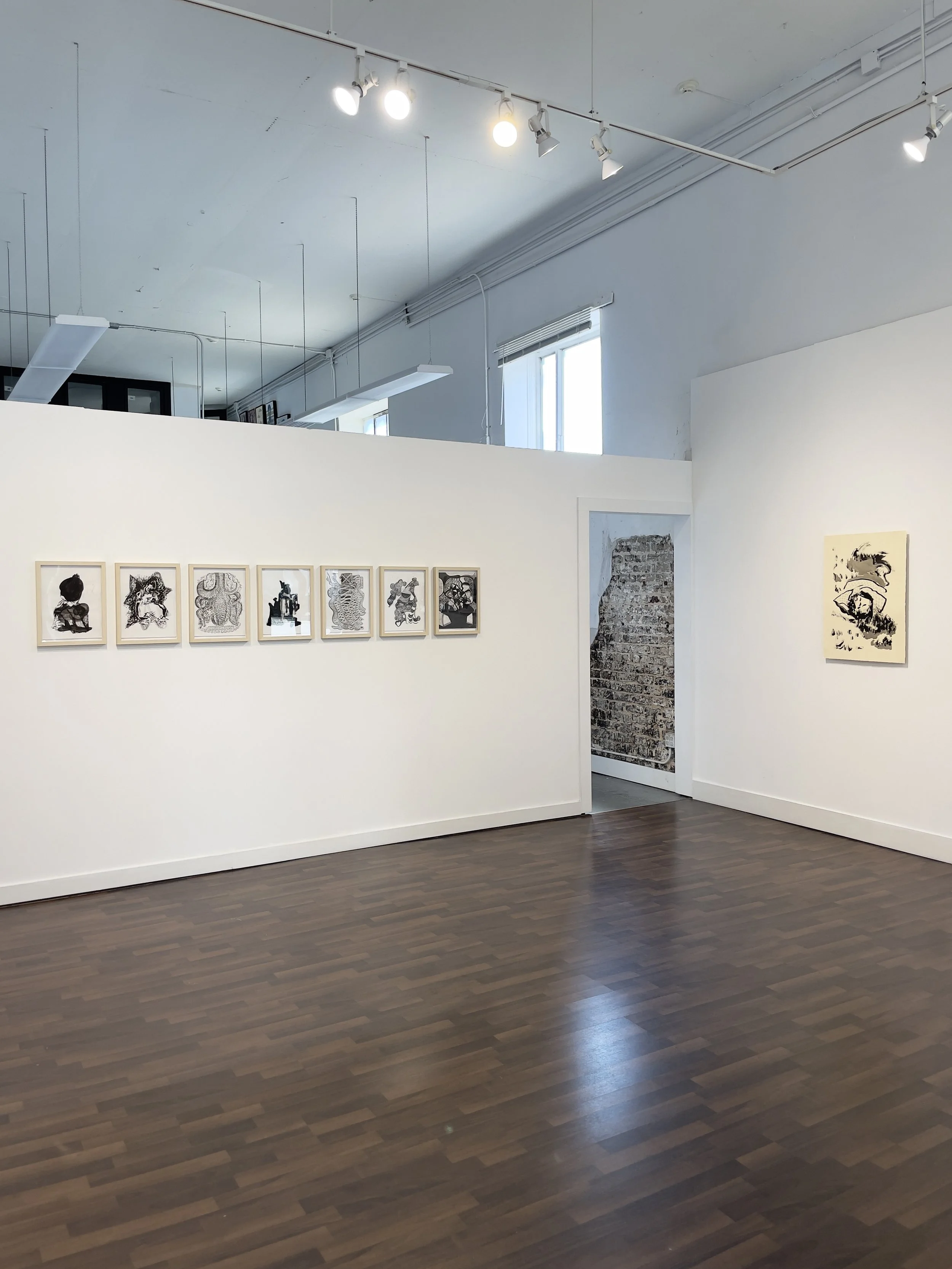
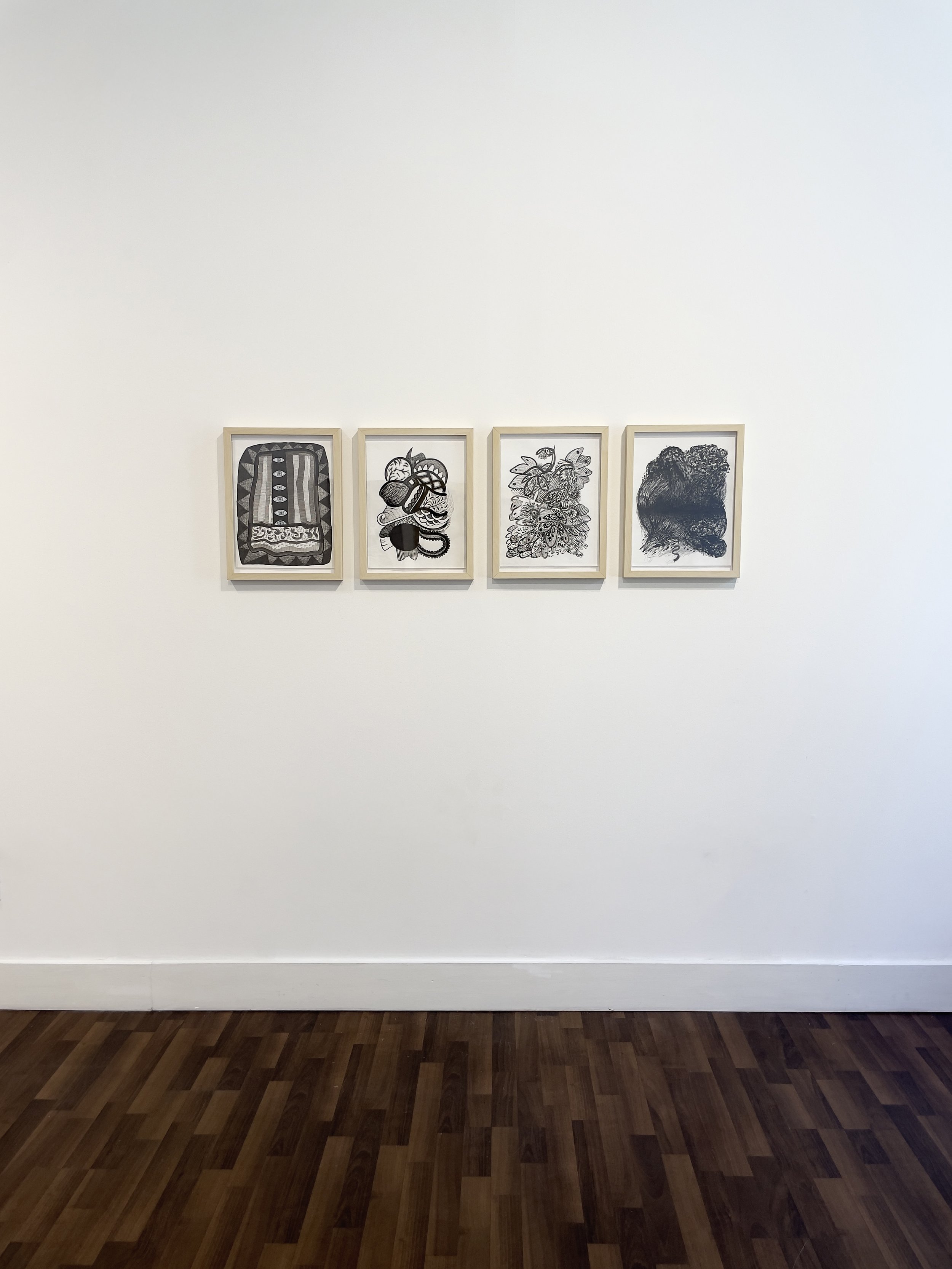
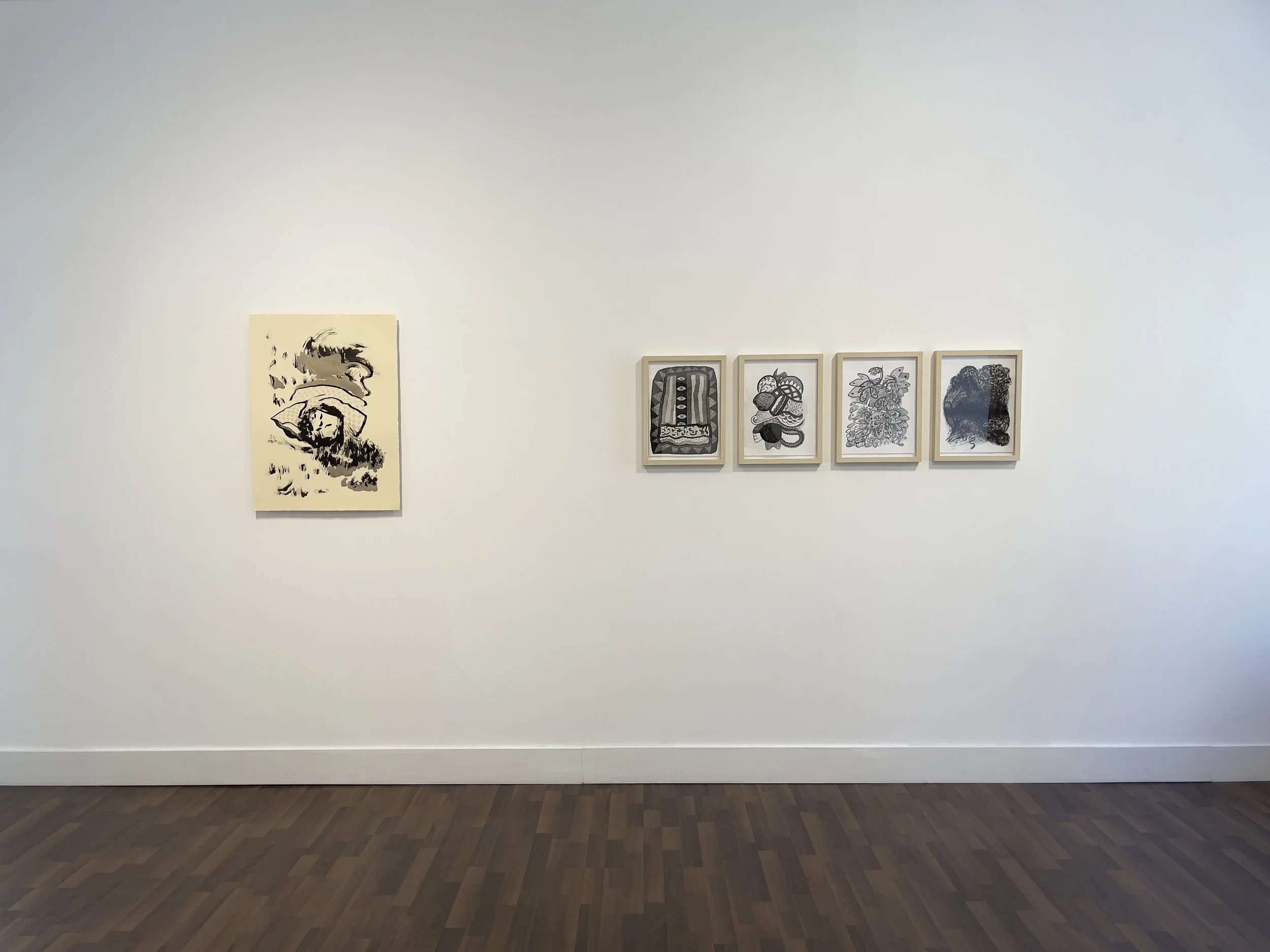
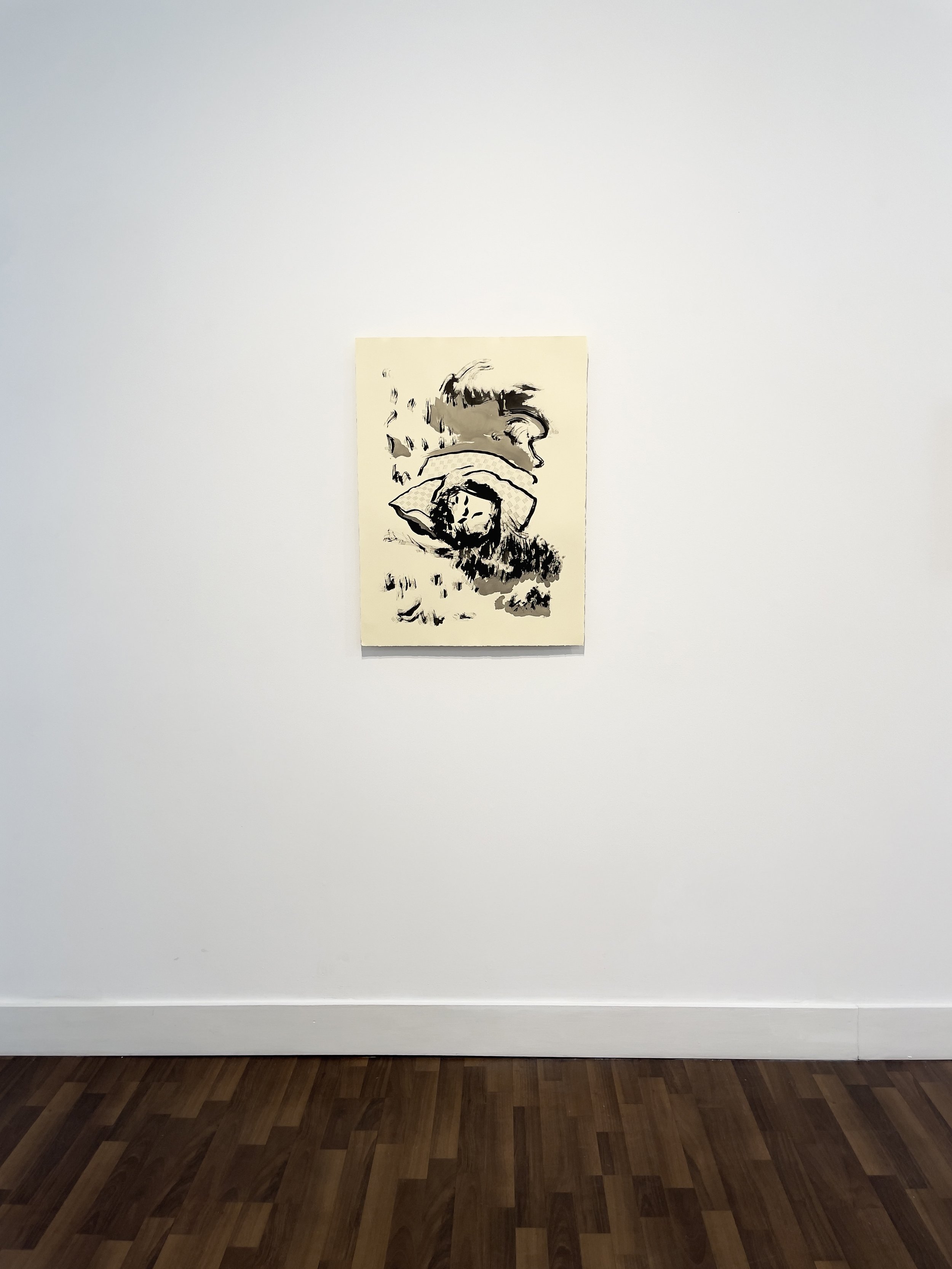
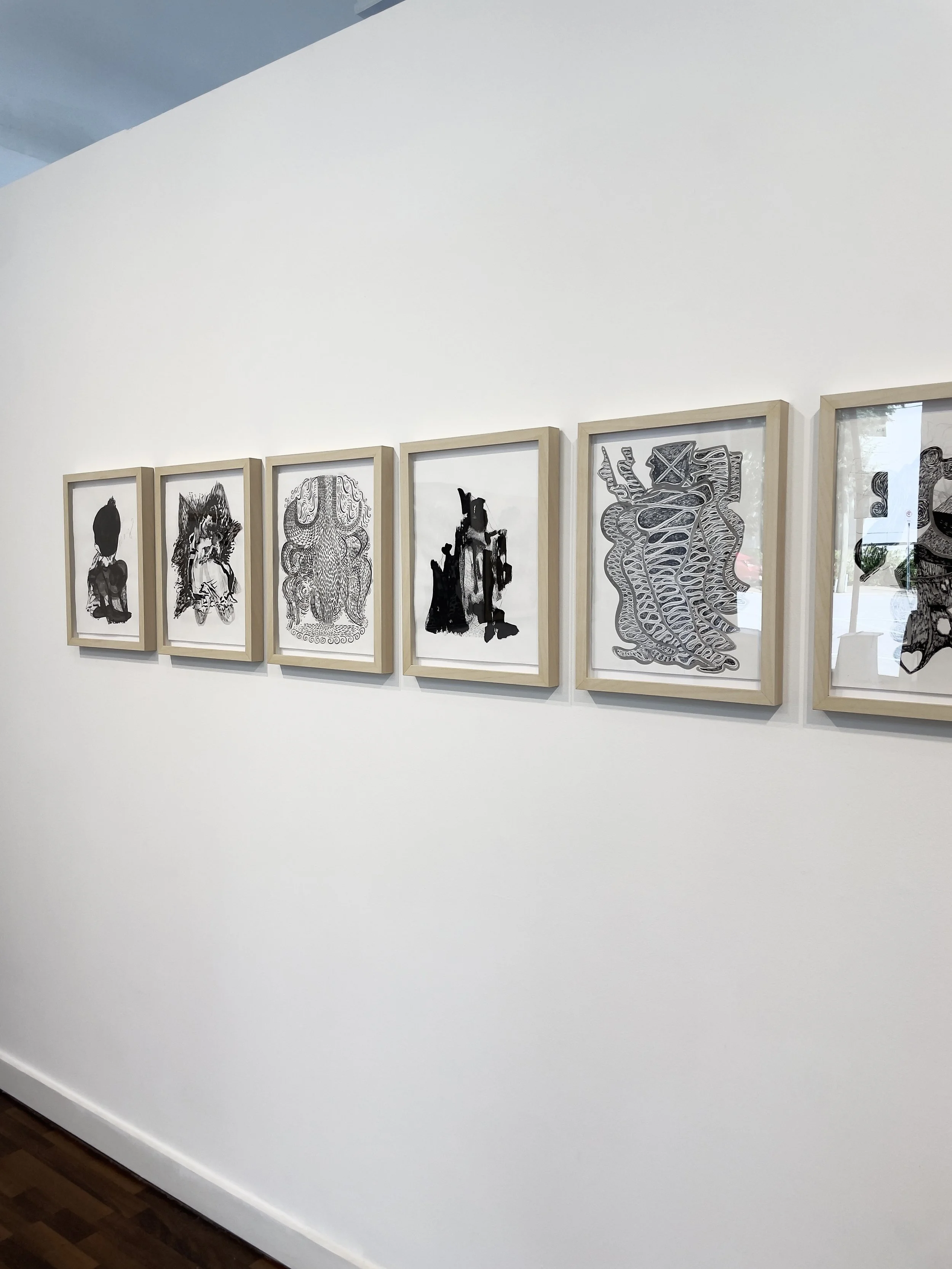
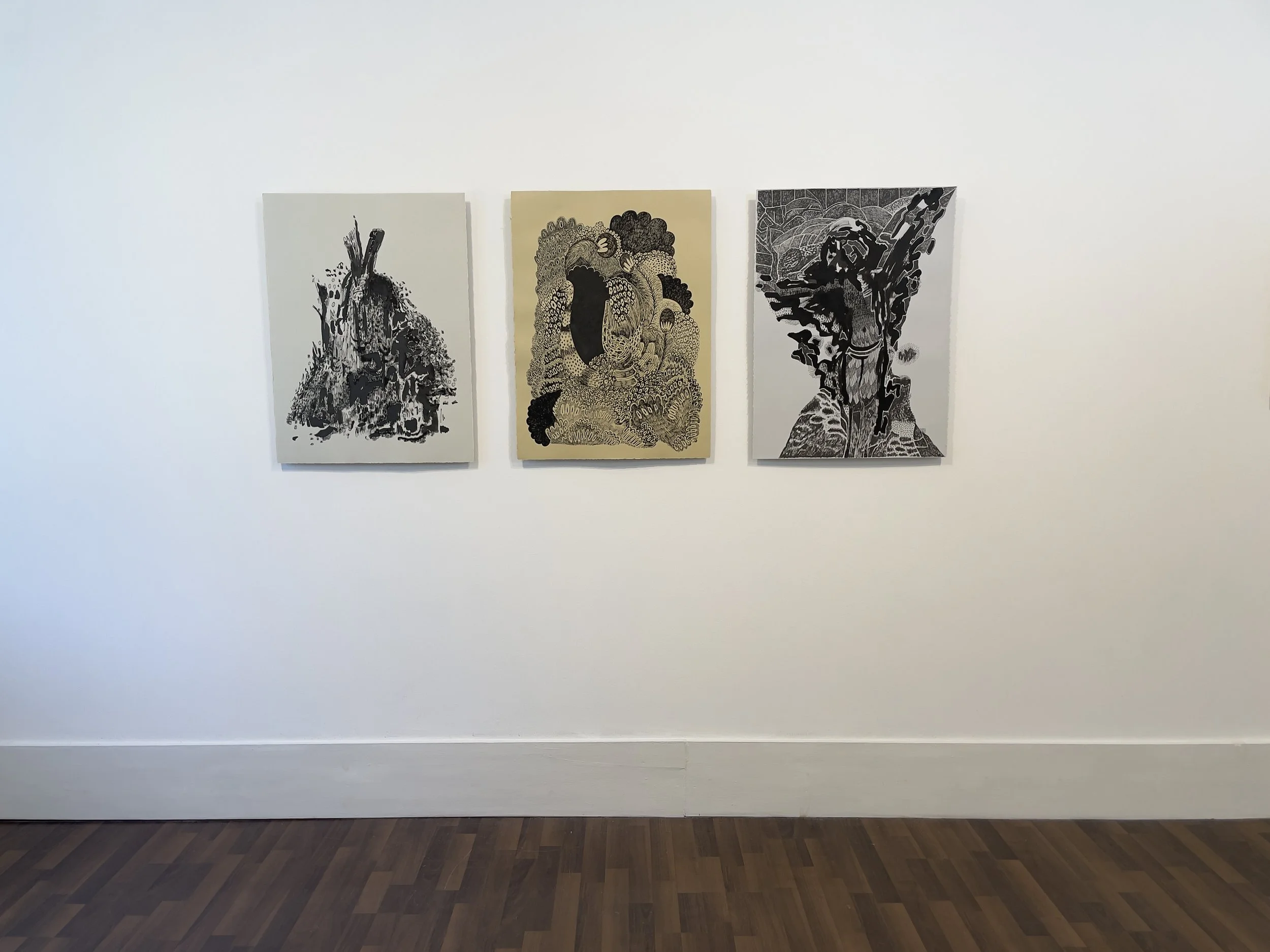
Heavy Flowers is a brief departure from the imagery Mary Laube typically works from. While some of the drawings still contain fragments of folk paintings, textiles, ornaments, and other culturally specific objects they elude allegiance to any coherent origin. These drawings promiscuously reference an array of different imagery while exploring a range of gestural tendencies of her hand. The drawings are at times dark, funny, avoidant, confusing, fearful and over worked. Heavy Flowers engages in a form of drawing that privileges experimentation over obedience.
I will Name Myself in the Dark
Solo-Exhibition at Morgan Lehman Gallery
May 16 - June 29, 2024
526 W 26th St, New York, NY 10001
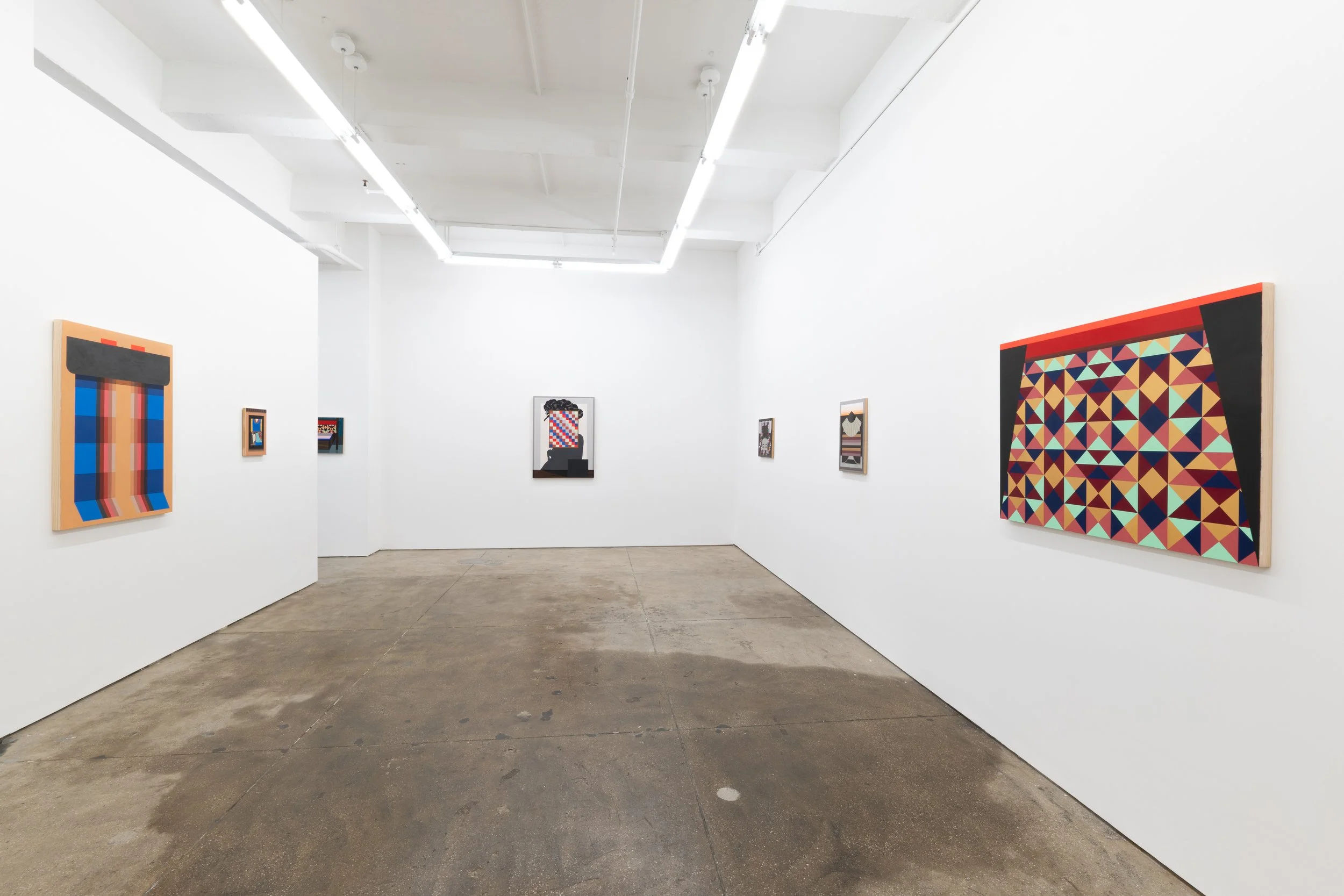
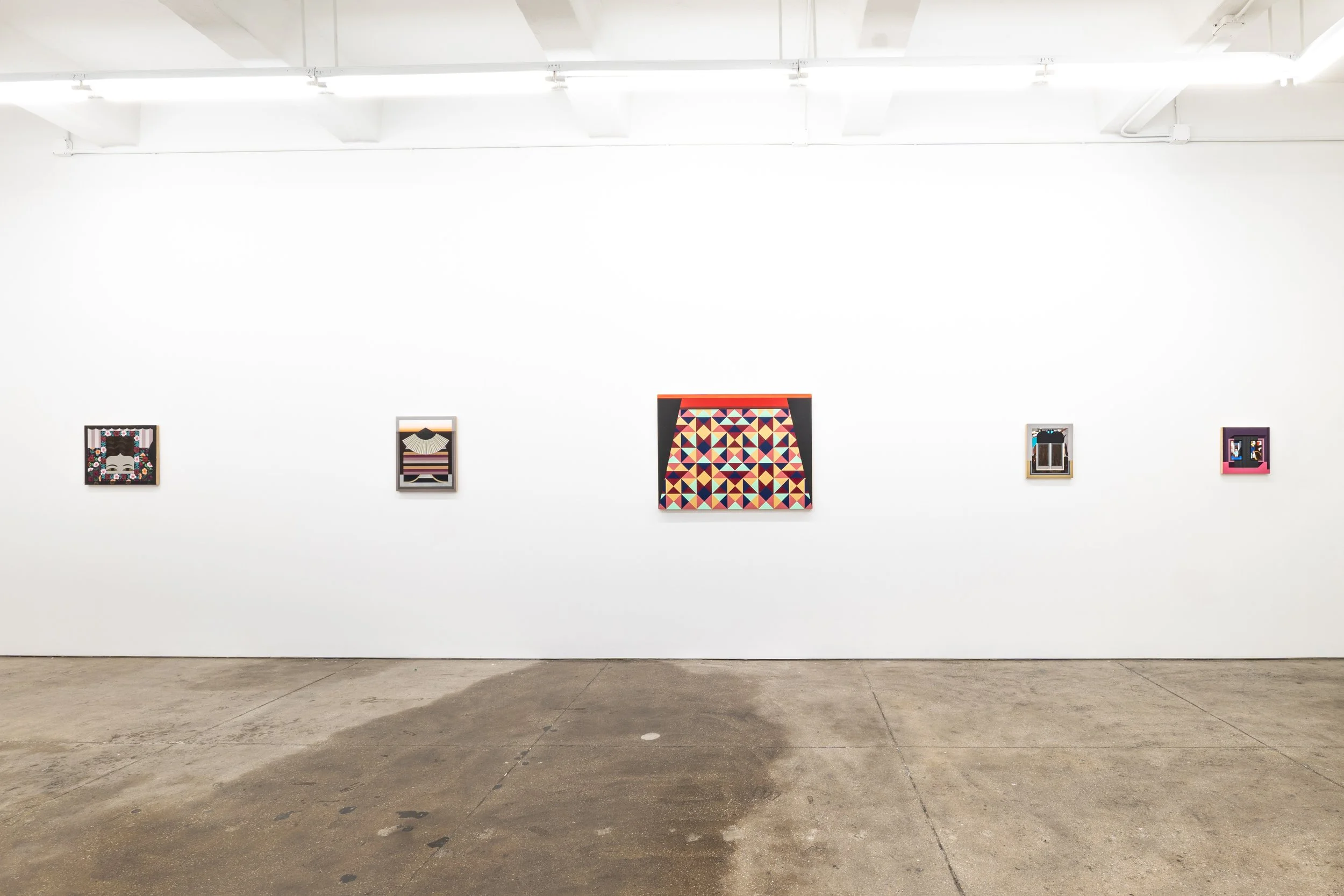
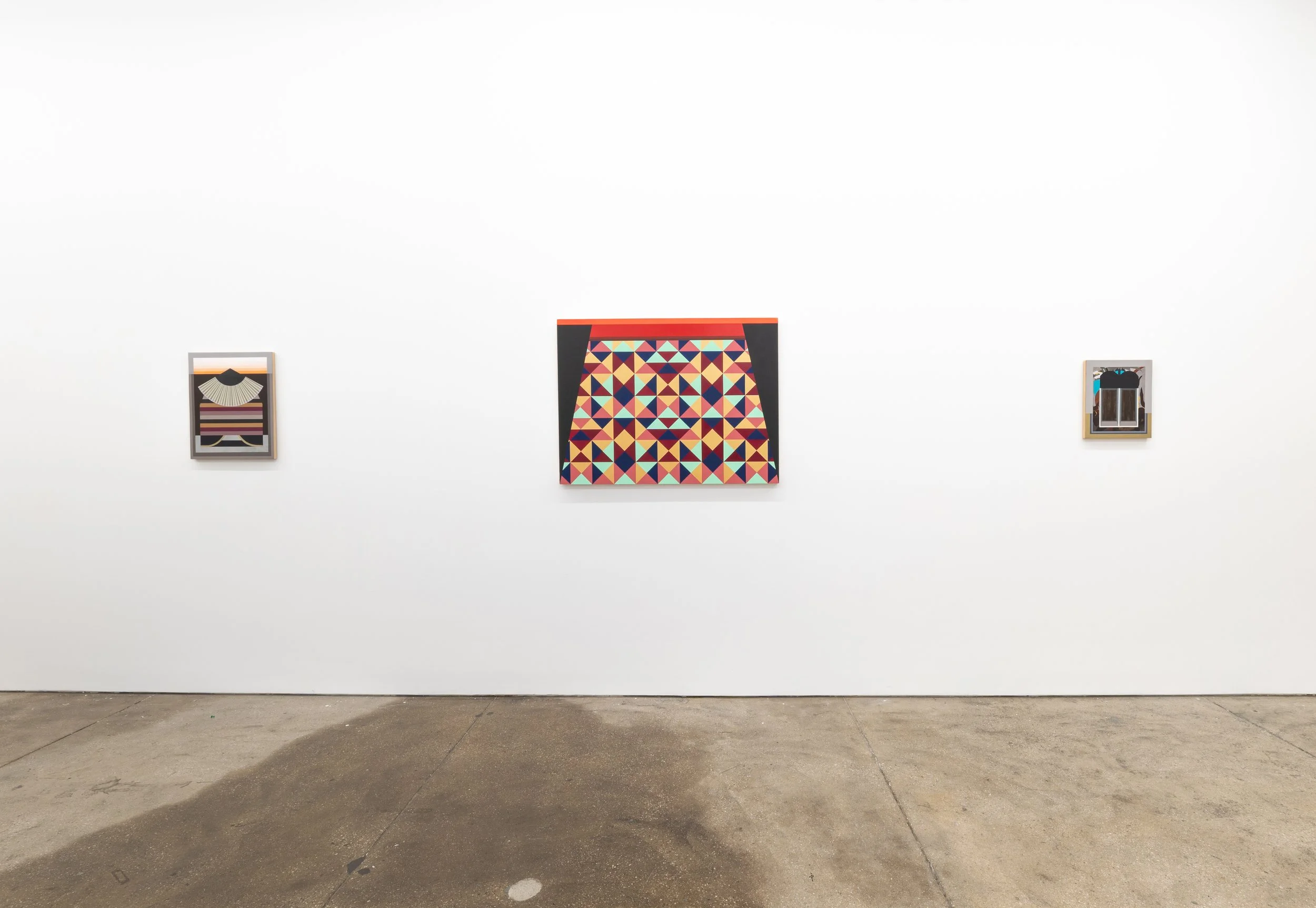
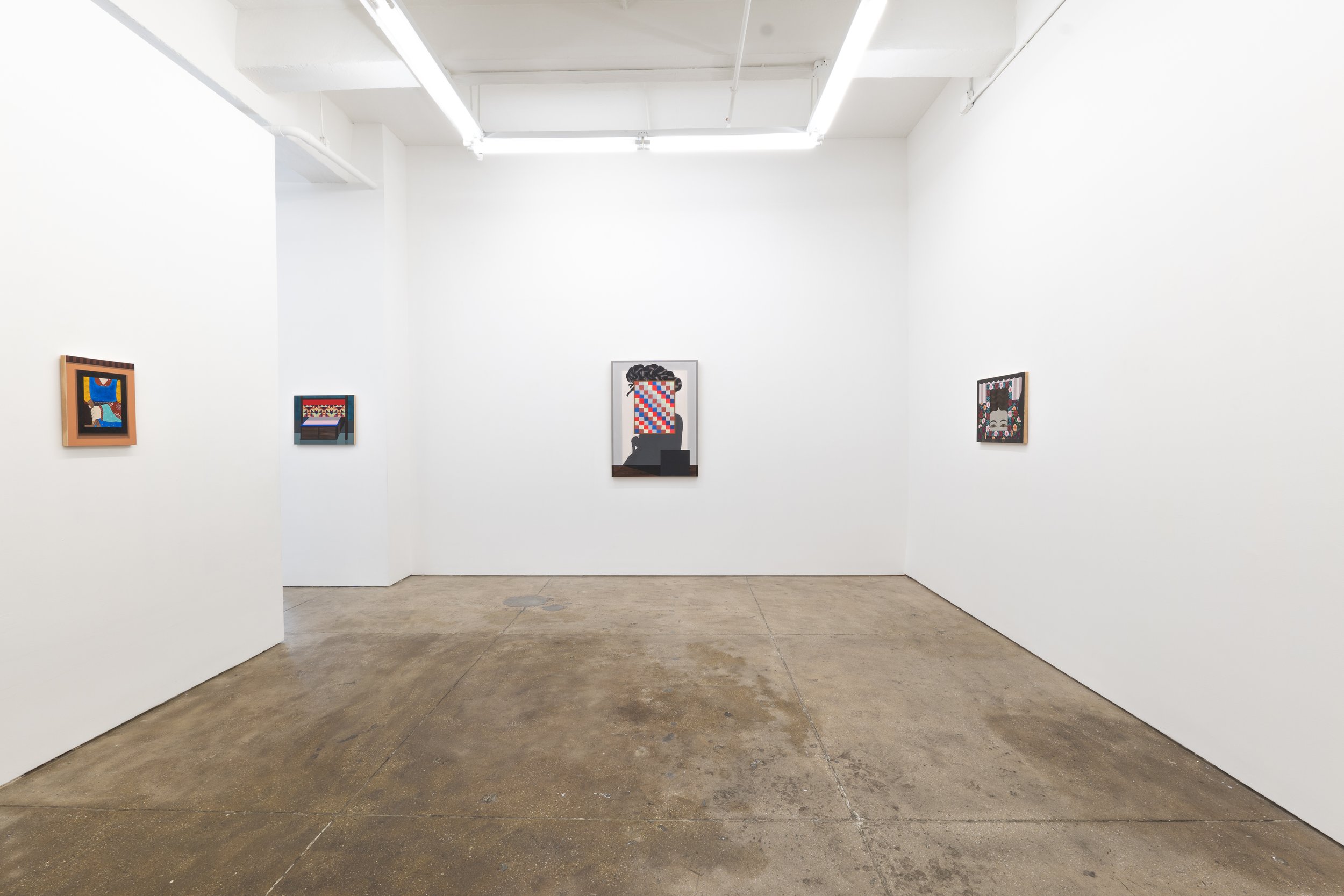
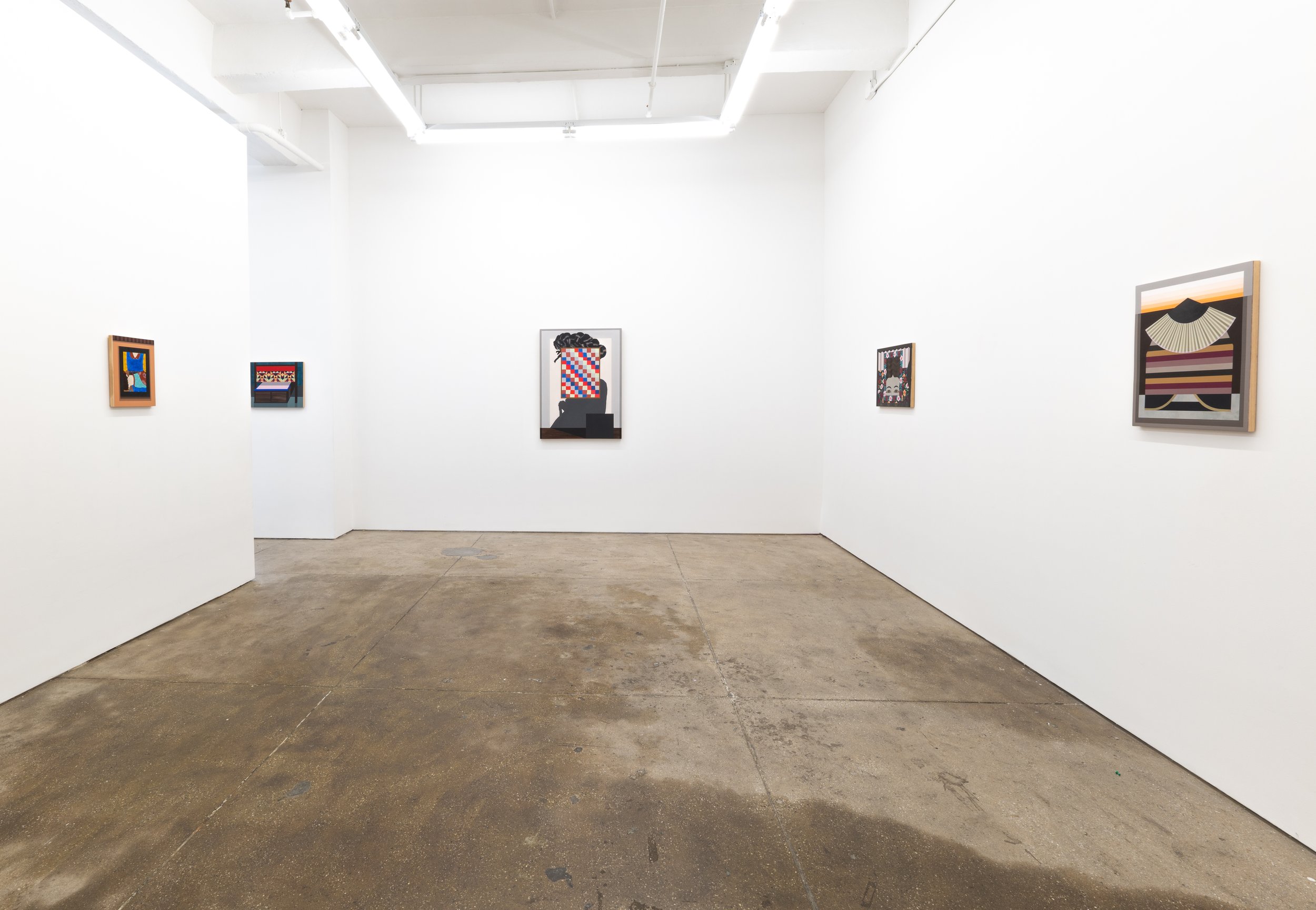
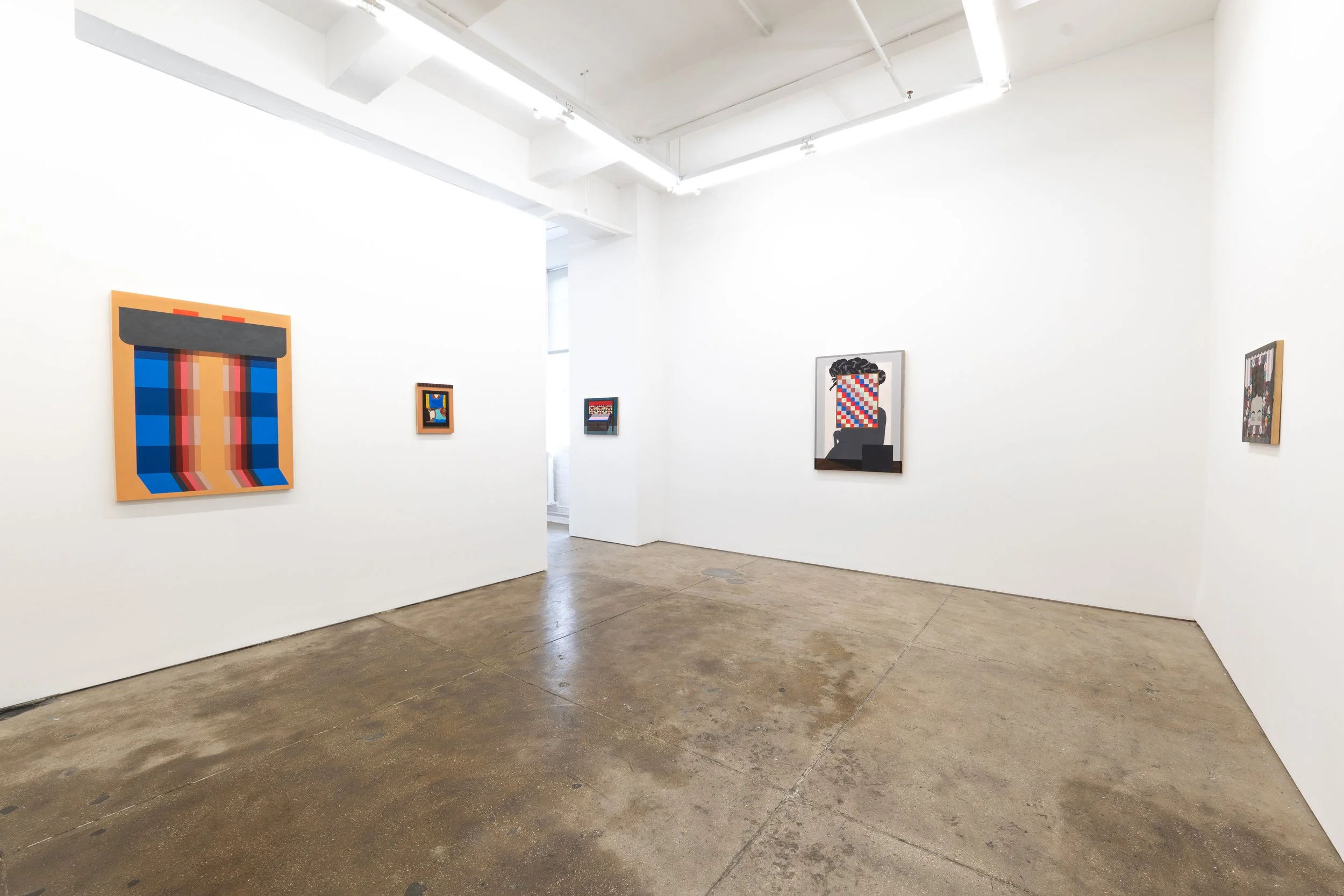
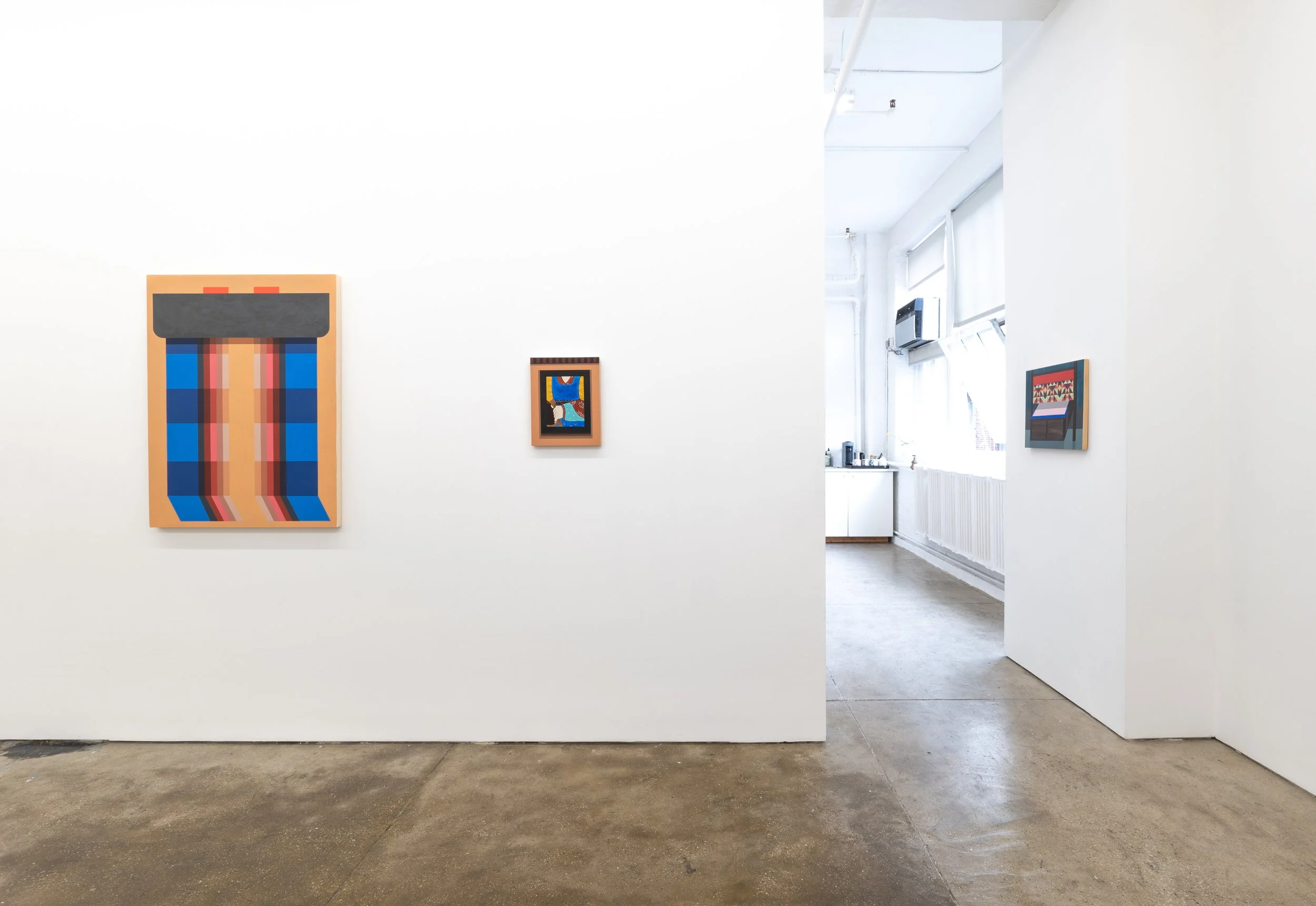
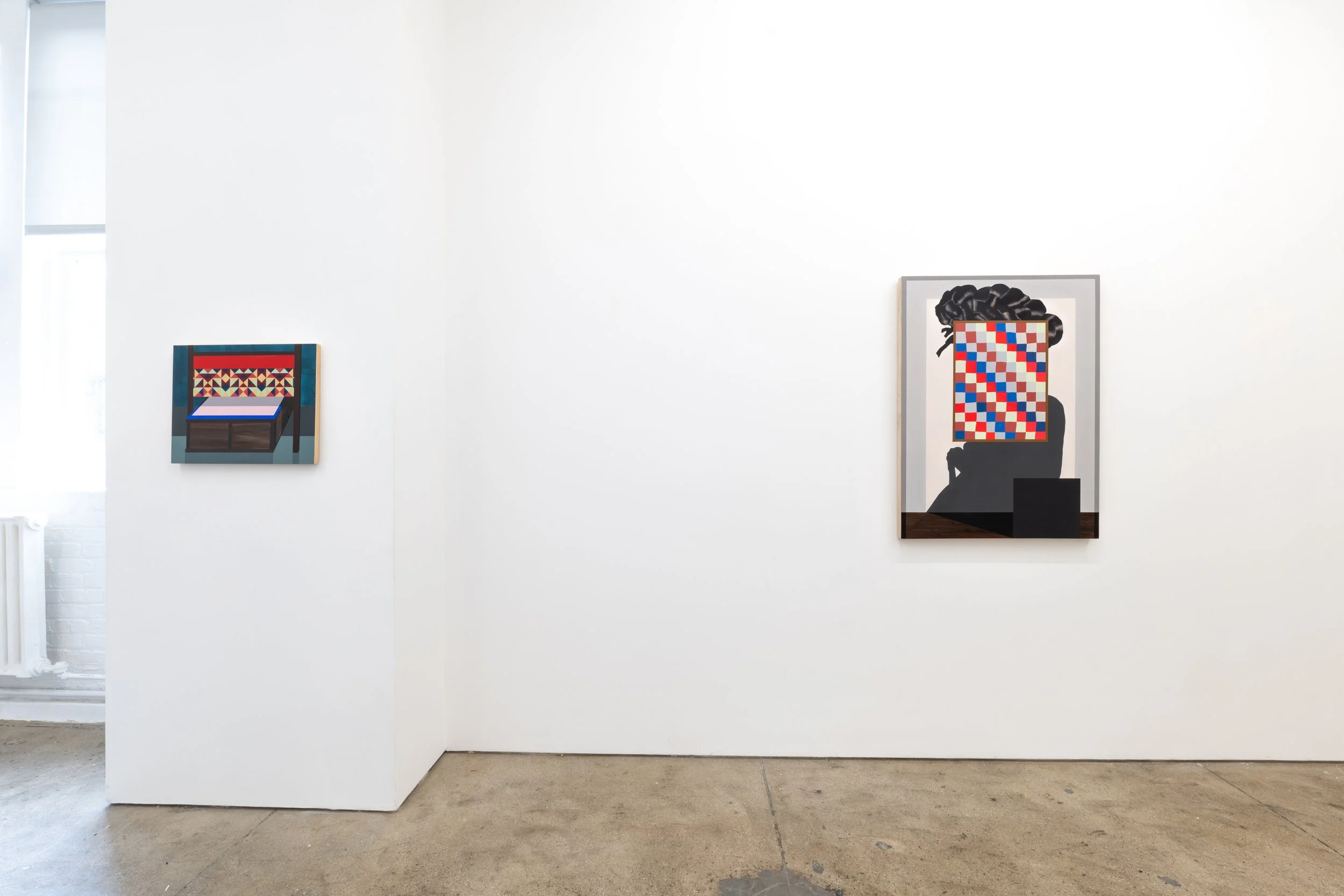
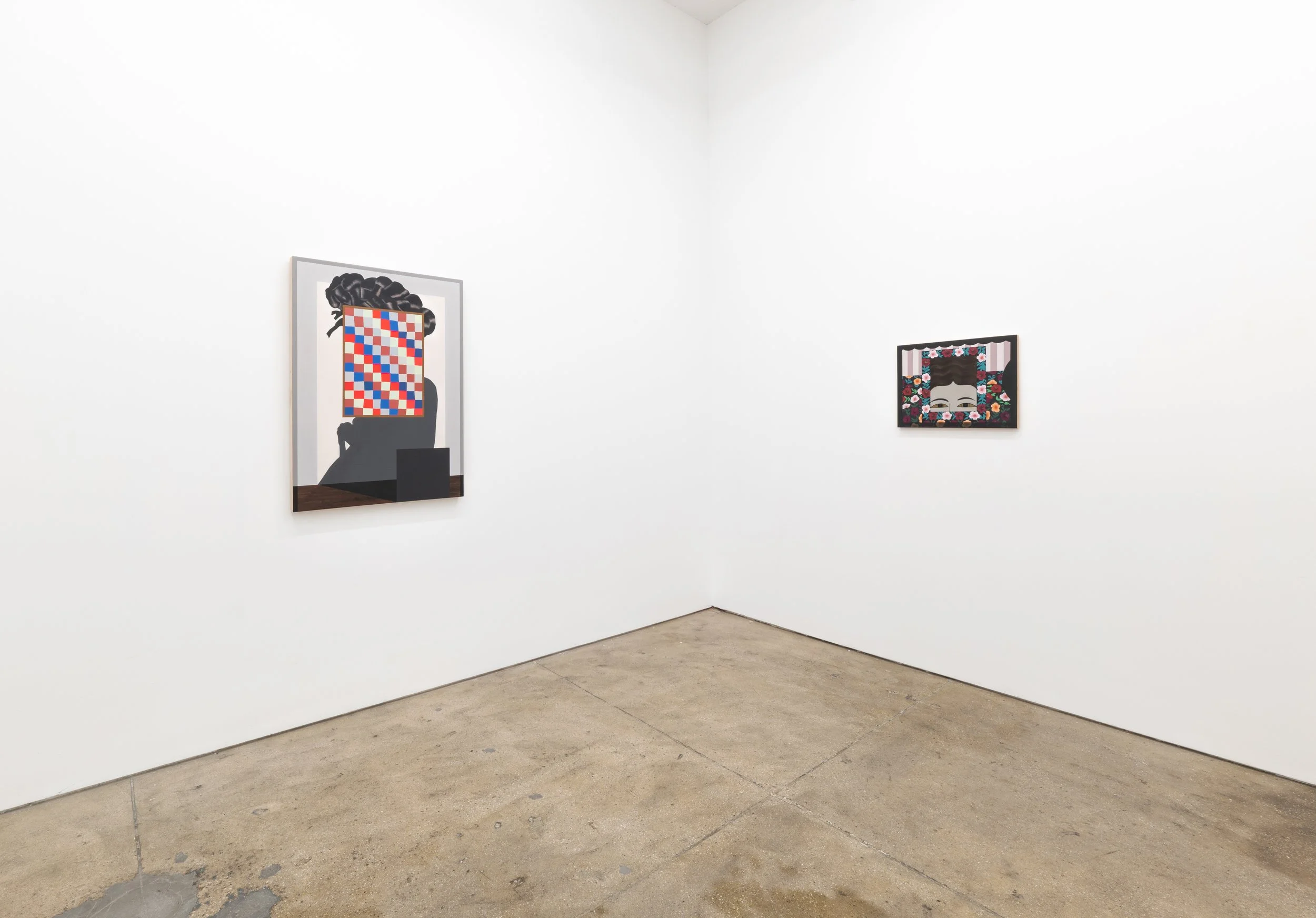
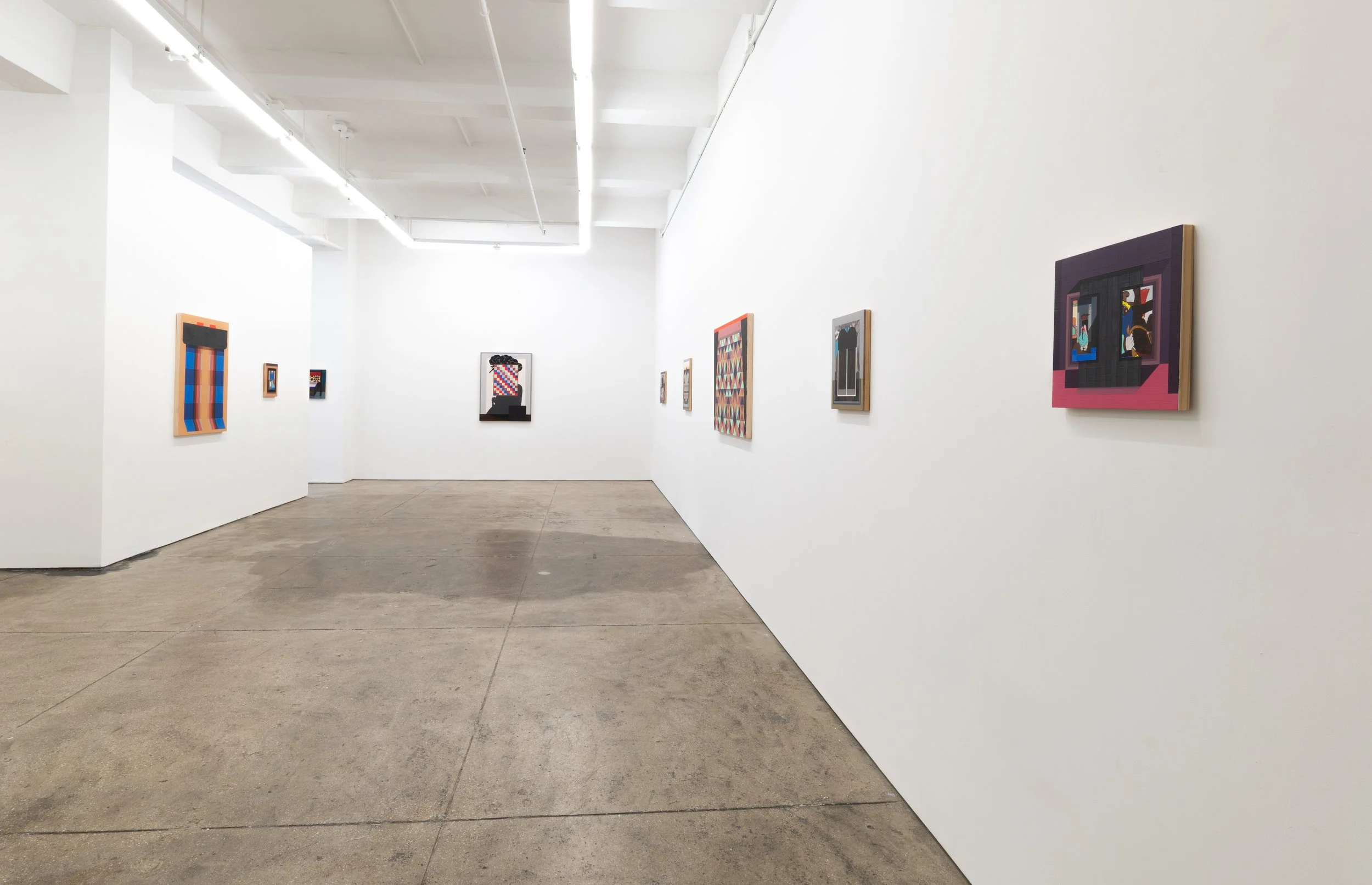
“Morgan Lehman Gallery is thrilled to present our first solo presentation of paintings by Mary Laube, I Will Name Myself in the Dark. Laube excavates her own cultural narratives to allow us access to her complex transnational life between Korea and the United States. She challenges us to reconsider reductive colonial perspectives by visually depicting the formation of memory, culture, and identity as a dynamic and destabilizing process.
In her color-drenched works on wood panels, abstraction and representation coexist, reflecting patterns and forms observed by Laube during visits to museums in her birth city of Seoul. Korean wrapping cloths, ink stones, Buddhist statues, and the imagery of folk paintings are abstracted and flattened out across each picture plane. Yet, through a careful manipulation of color and value, her arrangements of shapes manage to also ascend toward a rich illusory space.
Throughout the exhibition, cultural allusions to both the United States and Korea are intricately layered and synthesized into compositions that challenge our sense of certainty and equilibrium. Laube’s stunning optical vibrations of color, in particular, serve to keep each composition in a constant state of motion and render palpable her own feelings of perpetual disequilibrium. Every painting on view is imbued with a deeply internalized understanding of displacement, reunion, decolonization, memorial, and personal myth.”
Parallel to the Earth
Solo-Exhibition at New Harmony Gallery of Contemporary Art, University of Southern Indiana
August 12 - September 16, 2026
506 Main Street New Harmony, IN 47631
Opening Reception: August 12, 4–6 PM
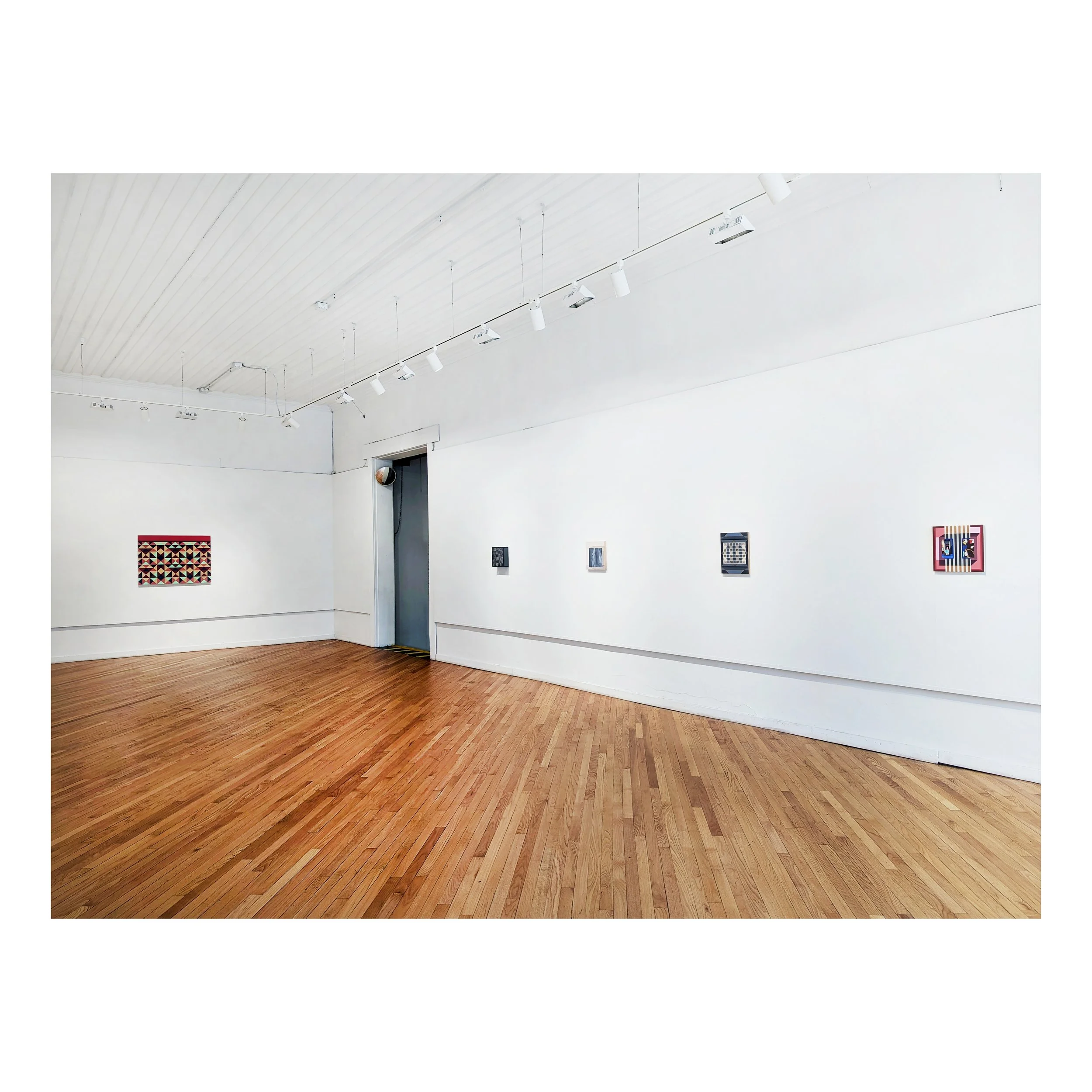
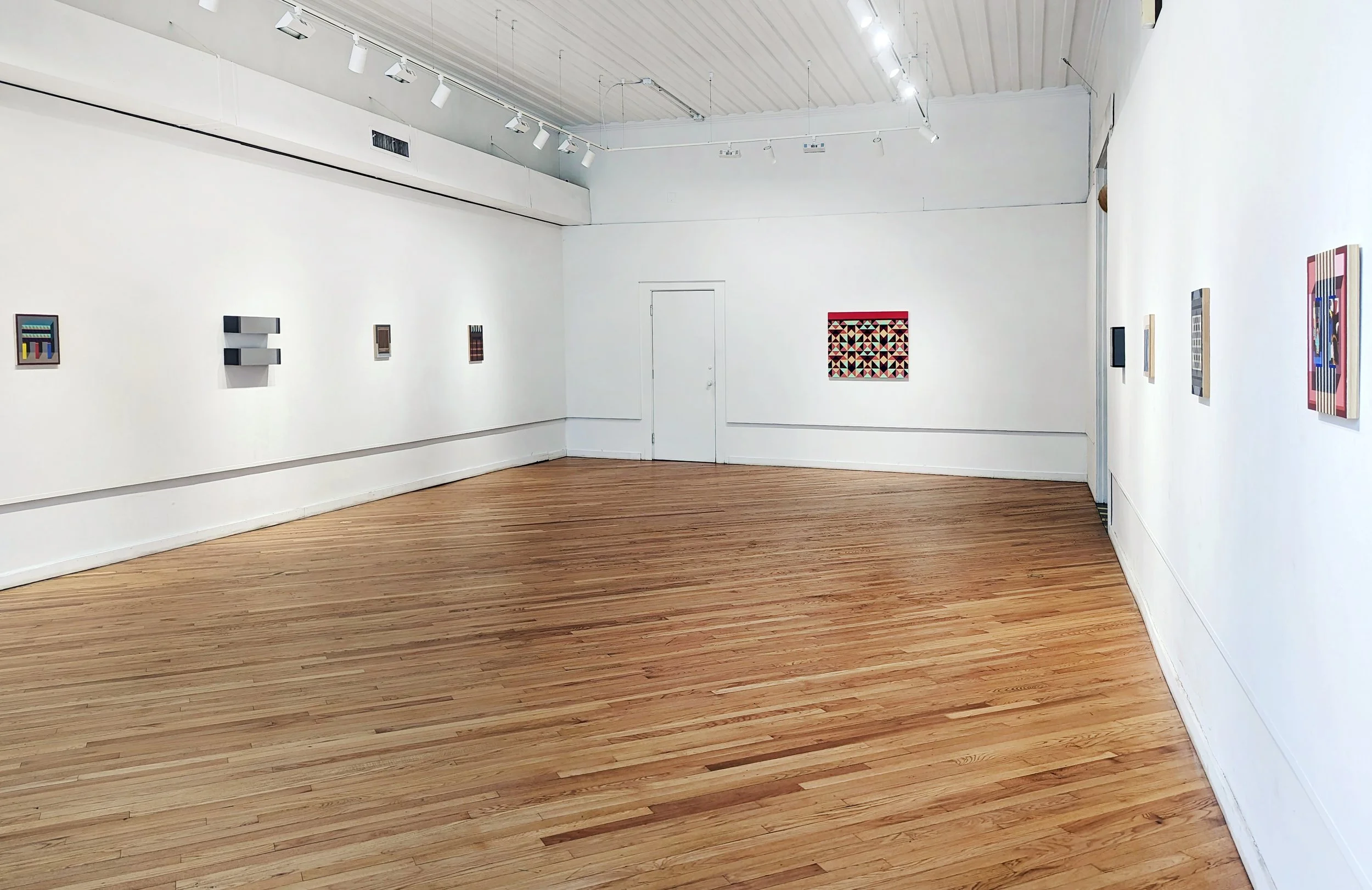
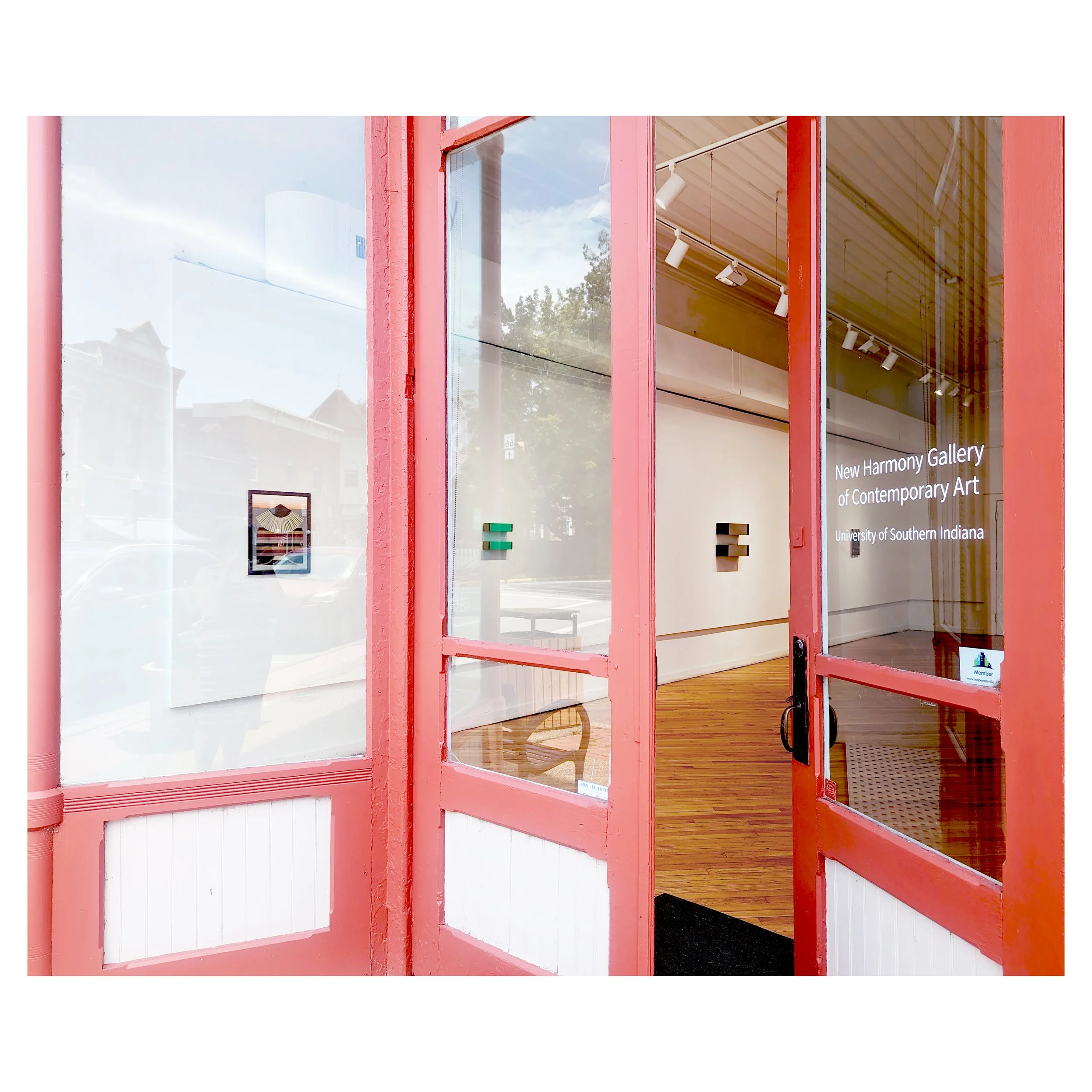
In Parallel to the Earth, we see idealized or romanticized versions of mundane objects. These objects are flattened but dimensional. The use of light and shadows allude to things happening in the periphery. Boundaries become demarcations of what we see and what we imagine of diasporic identities. Laube’s paintings are surrealist and rooted in the idea of collage, acting as both a wall and window, peering in at anecdotal memories to be viewed objectively. The horizon lines form like poetry, a meeting point of earth and sky or table and wall, informing the autonomy we give objects from our socialization of material culture. The objects serve as portraits-anthropomorphized views of loss, loss of culture, loss of memory, or personal loss. Often Laube’s paintings become a way to converse with ancestors by use of metaphors from Korean Shamanism. Laube’s paintings are both a vestige of the past as well as a repertoire of the present, a form of storytelling capable of change.
Re-PAIR
Tennessee Triennial at the Knoxville Museum of Art
January 27 - May 7, 2023
1050 World’s Fair Park Drive Knoxville, TN 37916
Consulting Curator María Magdalena Campos-Pons
Curated by:
Kelsie Conley
Stephen Wicks
Opening Reception: January 27, 5:30–9 PM
Closing Reception: May 5, 5–8 PM
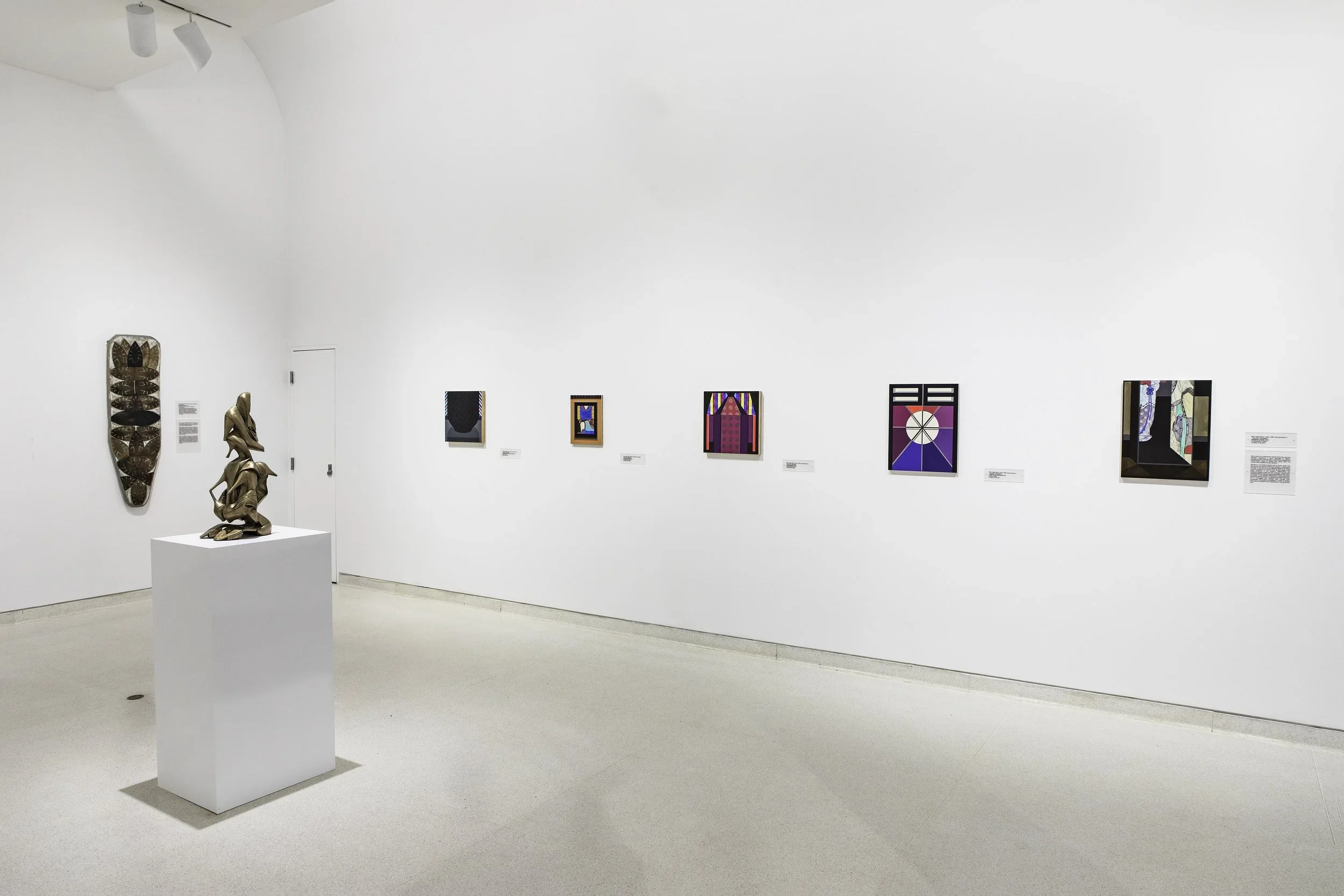
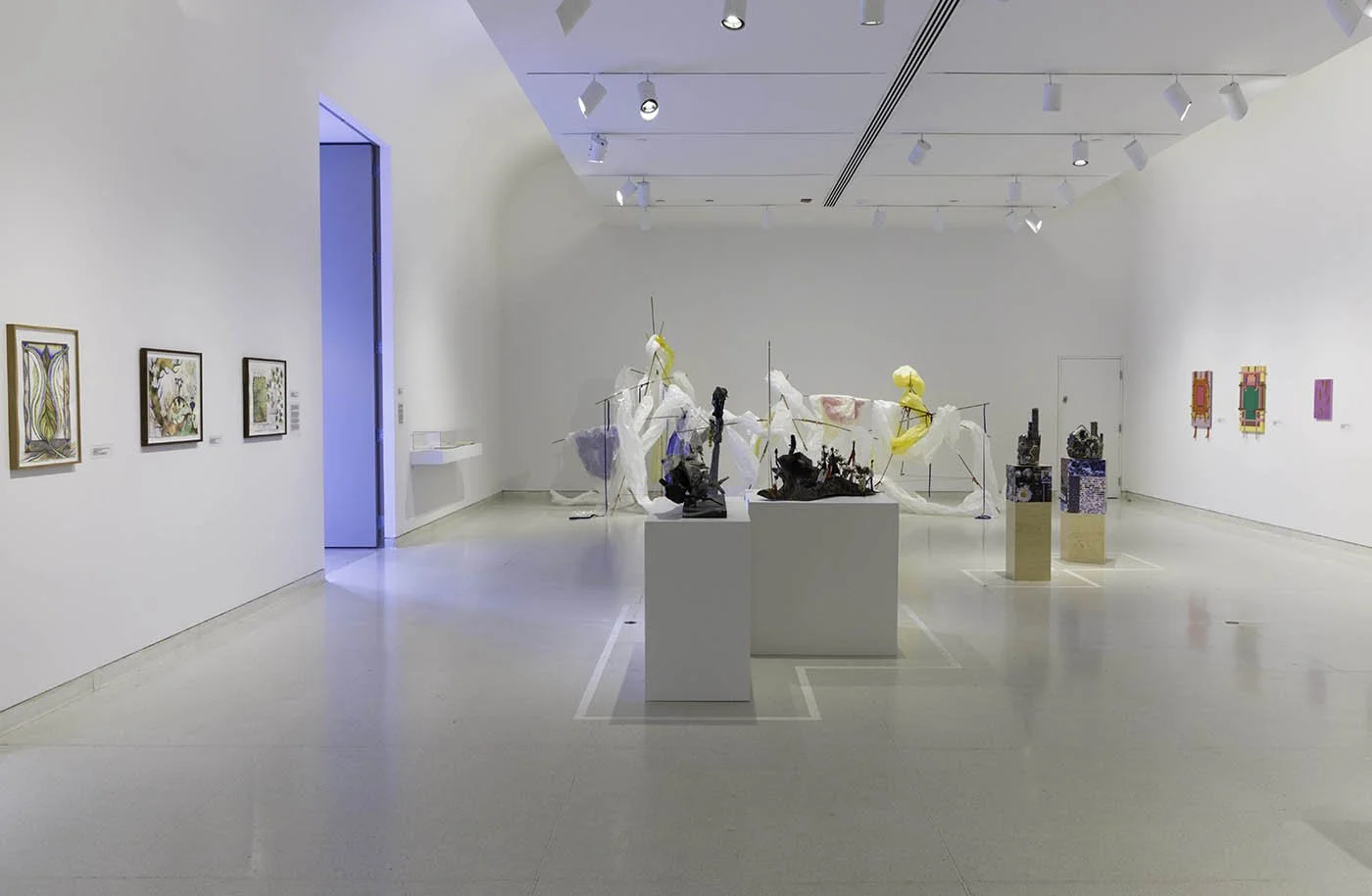
The inaugural Tennessee Triennial is a unified multi-site, multi-city exhibition that promotes contemporary visual art as a tool to foster constructive dialogue across communities, the state, the country, and internationally. The 2023 theme and core concept of the inaugural Tennessee Triennial is “RE-PAIR,” set forth by Consulting Curator María Magdalena Campos-Pons as the guiding curatorial concept for all exhibiting venues participating in the Tennessee Triennial.
Responding to the Triennial RE-PAIR theme about art designed “To heal, suture, and recompose fractured bodies”, “re-pair, patch, rebuild spirits, bodies, cities, political institutions, economic relationships,” the Knoxville Museum of Art presents works emphasizing the transformative power of art to propose new solutions to recent global discord.
The KMA’s Triennial presentation features a thought-provoking selection of objects created by a diverse, intergenerational slate of 13 international artists from across the U.S.: Willie Cole, Bessie Harvey, Lonnie Holley, Katie Hargrave & Meredith Laura Lynn, Kahlil Robert Irving, Suzanne Jackson, Mary Laube, Annabeth Marks, Rosemary Mayer, Althea Murphy-Price, Betye Saar, and Faith Wilding.
The exhibited works address a broad range of conceptual concerns ranging from the intersection of the personal and the political, to environmental, cultural, and spiritual. They express artists’ deep interest in material as a means of interpreting and amplifying these concerns. They are touched and pressed, deconstructed, constructed and made anew. They embody histories that sensitively embrace contradiction and complication, and that challenge diverse audiences to look both forward and backwards towards “new sites of encounters with yet undefined edges, borders and territories” in search of RE-PAIR.
A major statewide contemporary art event organized by Tri-Star Arts. Consulting Curator: María Magdalena Campos-Pons.
8
Laney Contemporary
November 4, 2022 - January 14, 2023
1810 Mills B Ln Blvd, Savannah, GA 31405
Curated by:
The Fuel and Lumber Co.
Opening Reception: November 4, 2022 5–9 PM
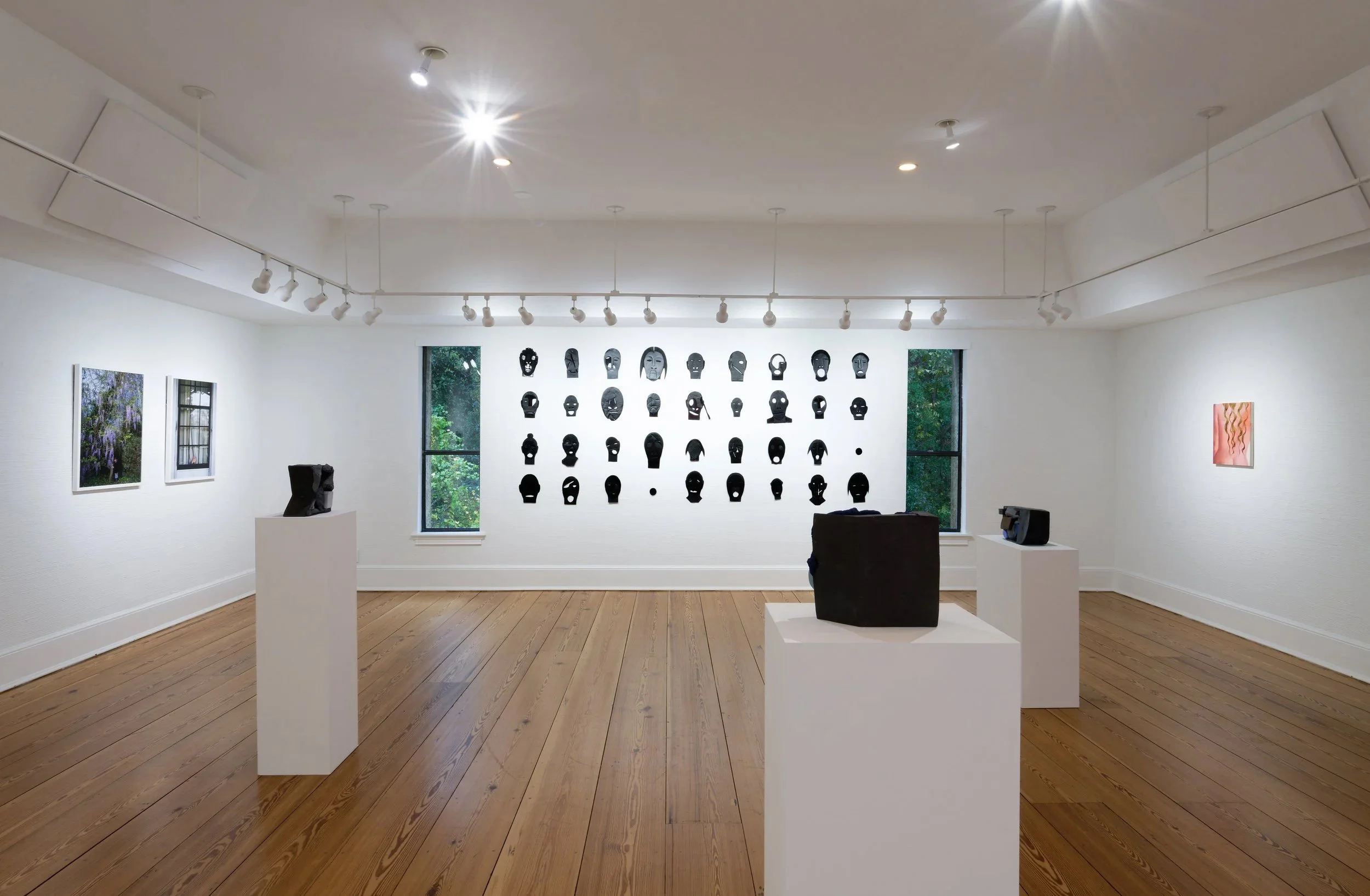
Laney Contemporary is pleased to present 8, a group exhibition guest-curated by The Fuel and Lumber Company. This special selection of diverse artists presents no singular voice, but rather a chorus of works by female-identifying artists. In a challenging contemporary moment, with a post-Roe v. Wade reality, the curatorial initiative, The Fuel and Lumber Company takes a broad philosophical, even poetic, approach to curating, placing works next to one another without didactics, but as a way to encourage dialog amongst images and between viewers. Art opens doors by posing questions rather than determining answers and 8 opens up unlimited questions about complexities of identity and control of bodies. The artists were chosen for their distinct visual voices, engaging in cross-cultural dialog, but also for their unexpectedly united harmony.
The number 8, itself a visual symbol of infinity, suggests an array of meanings including the flow of power, a source of good energy, and a strong sense of overcoming. Turned on its side, 8 symbolizes limitlessness, which in the context of this show may remind us of the immeasurable capacity of what art can accomplish and what creative people united can realize. It also suggests the unlimited and undefined possibilities of meanings that can be produced by viewer-participants in dialog with one another.
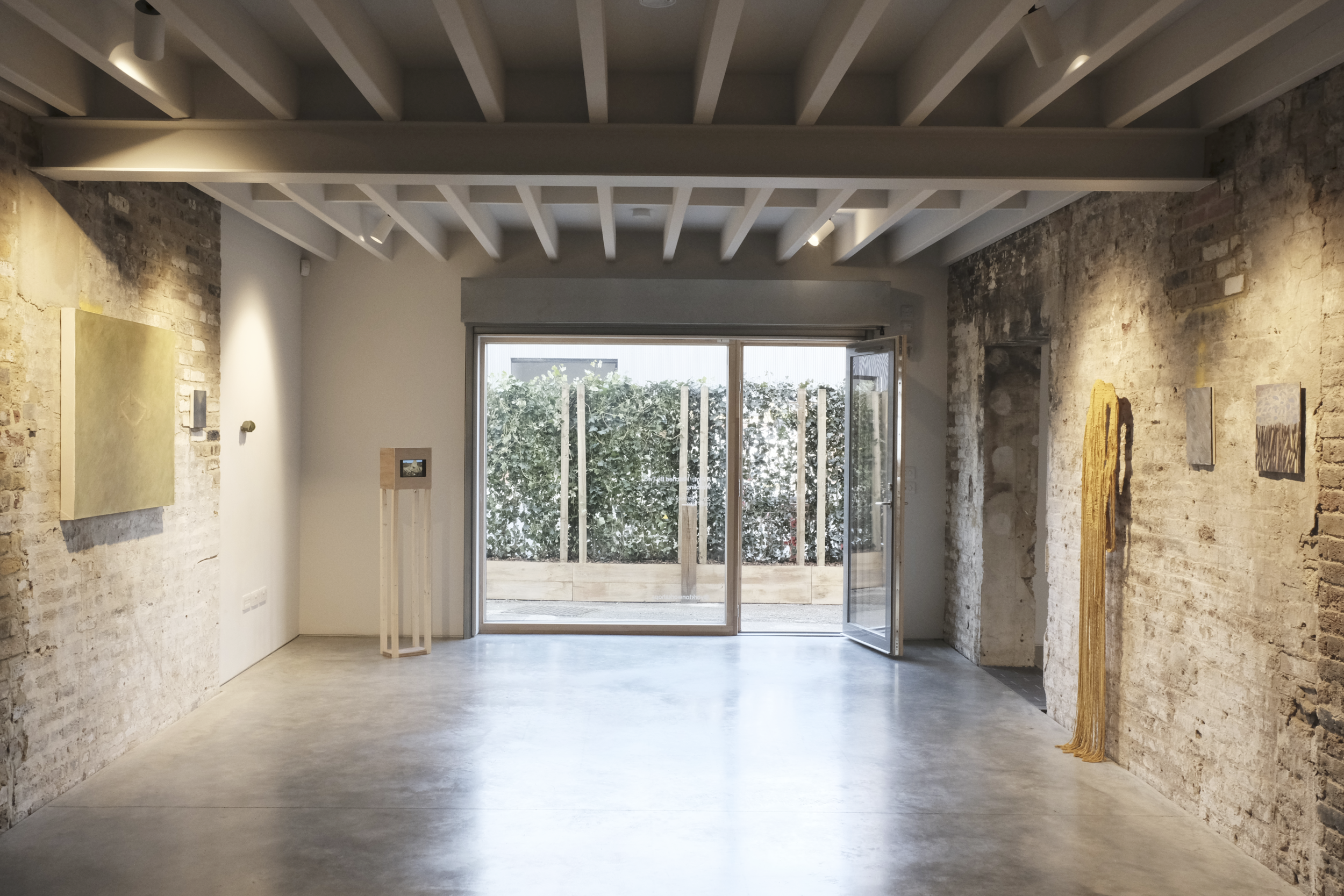
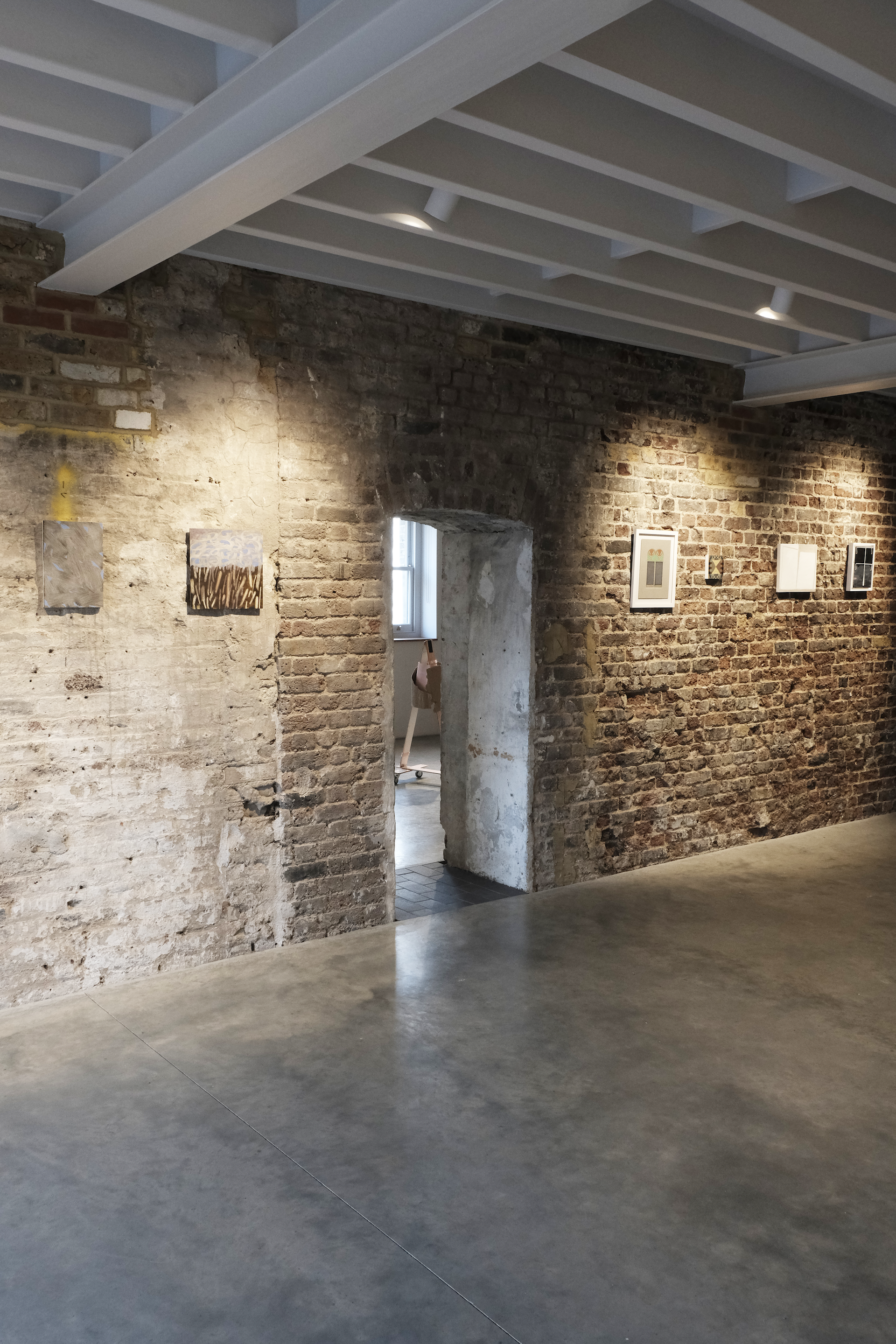
Small exchanges in conversation, shared contemplation. Quietly following, trusting that something else will arrive en route, along the journey, fragments arise to plot a new direction. The emergence of a joint thought and the release of two energies.
“Desire, when reciprocal, is a plot, hatched by two, in the face of, or in defiance of, all the other plots which determine the world. It is a conspiracy of two.” - John Berger, Another Side of Desire
Songs for the Sun and Moon
Solo-Exhibition at Ortega y Gasset Projects
September 11, - October 10, 2021
The Old American Can Factory, 363 3rd Ave Brooklyn, NY 11215
Curated by:
Eric Hibit
Sarah Fritchey
Opening Reception: September 11, 4–8 PM
Closing Reception:
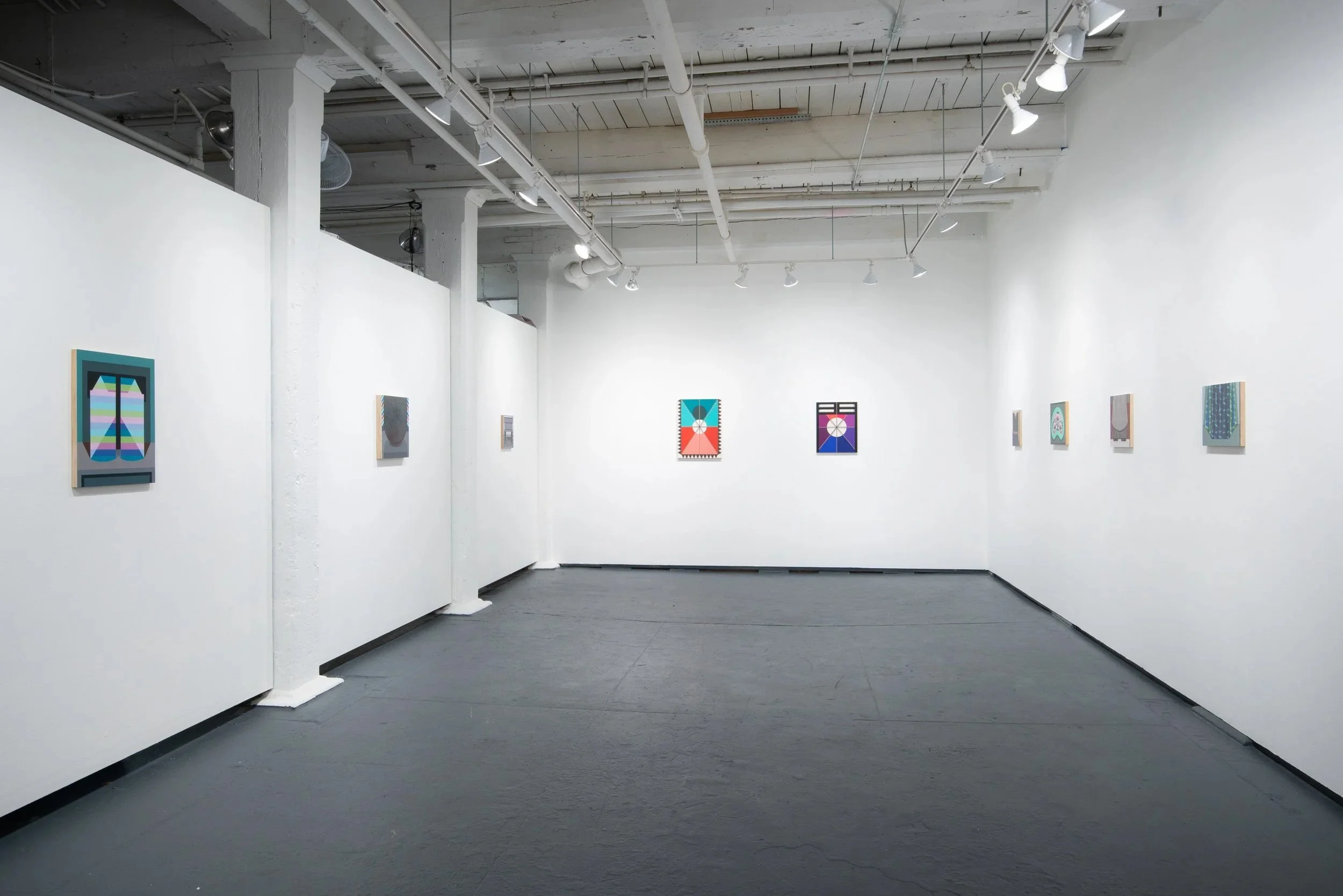
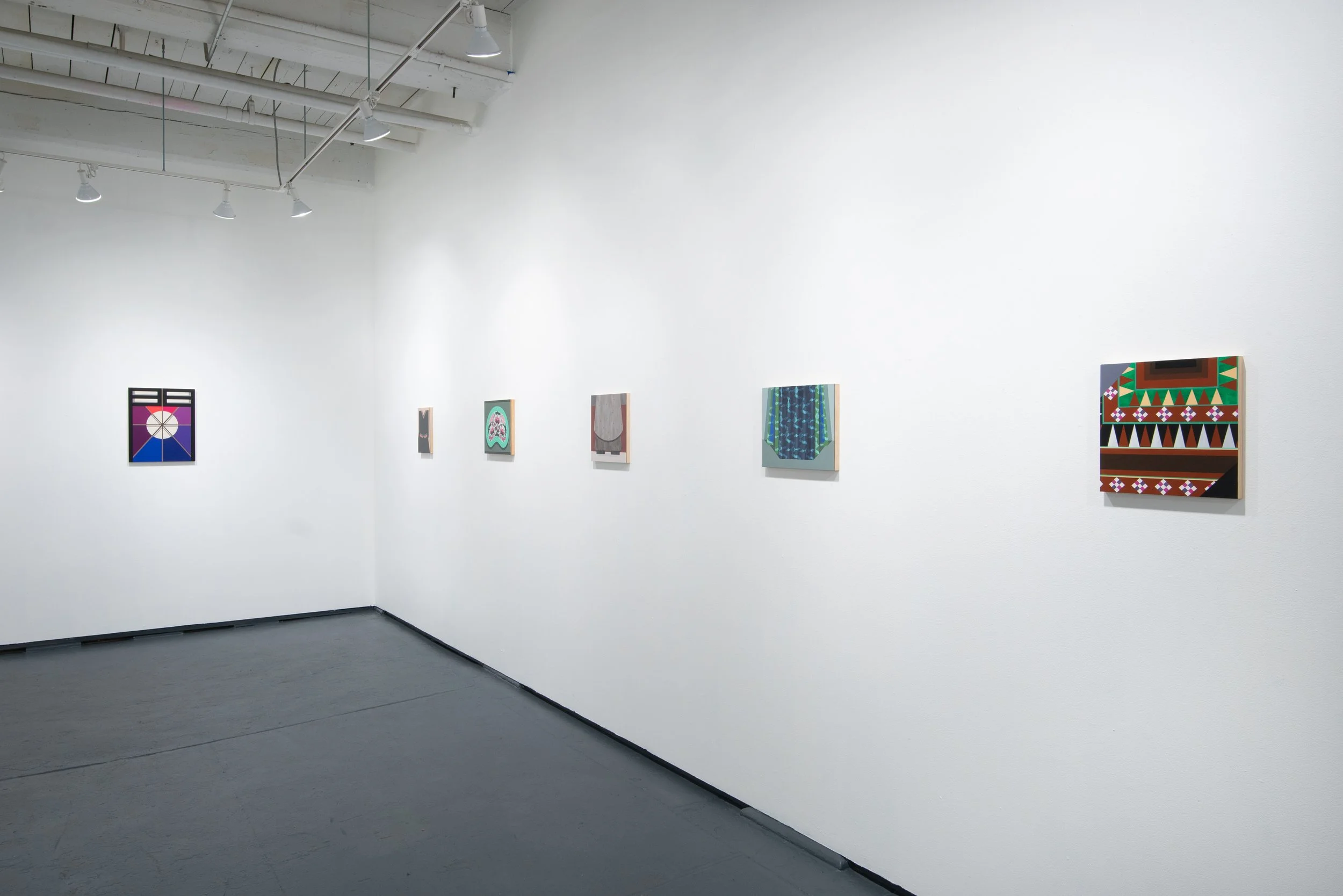
Ortega y Gasset Projects is pleased to present SONGS FOR THE SUN AND MOON, a solo exhibition by Knoxville-based painter Mary Laube. A reception for the artist will be held on Saturday, September 11, 4-8pm. Laube is the recipient of OyG Projects 2021 Open Call for the main exhibition space. This exhibition is curated by OyG co-director Eric Hibit.
Working in a visual language of geometry and decorative motifs, Laube examines personal and cultural history in the context of Korean aesthetic traditions. The works in this exhibition stem from Laube’s 2019 trip to Korea (her first time there since arriving in the US at age two), where she encountered museum artifacts, architecture, or objects related to historic preservation. Under the artist’s gaze, these objects are rendered as iconic, symmetrical forms that create a stabilizing visual experience. Upon closer inspection, Laube’s paintings open up surprising ambiguities. Forms move in and out of recognizability. Drop shadows (remnants of the museum lighting under which the subject was originally viewed) sometimes morph into the subject itself. Negative space recedes in one part of the composition, only to gain the positive role somewhere else. A pattern repeat is fully visible in some areas, but interrupted in others. These formal ambiguities originates in Laube’s particular way of looking, as she describes:
While inanimate objects are not deemed living, they carry a kind of autonomy created by our socialization with them. Worn objects for example have the ability to hover between the living and the non-living world, producing an uncanny presence when separated from the body. A sweater belonging to a loved one functions as a soft vessel that takes on the shape of its contents or alternatively, various shapes of vacancy. Objects from our childhood exude a presence or meaning not intrinsic to itself but developed overtime from our unique history with it. The forms in my work are repositories that contain and transport our ever-evolving experiences layered with distant memories and romanticized projections. Surfaces, patterns, and textures allude to various artifacts, with undefined contexts and functions. Through viewers’ interpretations, the work can continue to adopt a multitude of transforming meanings.
The notion of absence - and longing - is addressed in Laube’s process, which she thinks of as a “conversation” with her ancestors. Laube is interested in metaphorical possibilities of Korean shamanism: an indigenous practice with a rich history in origin mythologies. In context of her evolving understanding of shamanism, Laube views her continued painting practice as its metaphor: a bridge between her contemporary American identity and her Korean heritage. In this way, she imbues hard-edged edged painting with a fresh poetic resonance, filled with personal meanings.
The World is Our Idea
Online Exhibition at Laurence Miller Gallery
Curated by:
Jacob Cartwright
January 7 - February 28, 2021
Moving through the world, we all infuse the things we encounter with personal meaning. Photographer Yoko Ikeda (b. 1965 Kanazawa City, Japan) and painter Mary Laube (b. 1985 Seoul, Korea) use their respective mediums to explore this routine form of creativity.
Speaking about her photographic practice, Ikeda explains that it’s not her intent to record her surroundings, instead she seeks to “create a new world through the lens”. She intentionally seeks out “humble” situations and objects, seeing in them an opportunity for imaginative transformation. Because these small moments go overlooked they are also more free, lacking larger meanings they can become vessels for Ikeda’s personal visions.
Mary Laube cites the creative aspect of memory as being central to her approach to painting. When things are remembered imperfectly our minds fill in the gaps, Laube expresses this in her paintings by allowing objects to slide towards abstraction. As these things move away from their original forms and functions they become more personal, markers of half-remembered places and times. Similarly, her work deals with the mutable nature of identity when she “paraphrases” cultural objects from Korea, a country that she grew up with virtually no direct memory of, having transplanted to the US at a young age where she was raised by her adopted family.
Laube observes that something her and Ikeda’s work have in common is that, while human form is absent from their pictures, a human presence is always strongly implied. Ikeda’s photographs allow things within the frame to go out of focus, lending a subjective and improvised feeling to her images. Rather than a neutral depiction, Ikeda offers a the sense of the kind of close and personalized looking that life’s quieter moments allow for. Laube’s objects have a similar mood, they feel as if they’re partly remembered and partly created by the associated acts of thinking and looking.
Both of these artists create pictures that suggest that the world isn’t a place but an idea that’s unique to each of us, made anew when we take the time to look.
Fanoon Center for Printmedia Research
VCUARTS Qatar
September 12 - October 26, 2019
8C7M+X85 Education City, Al Luqta St, Doha, Qatar
Curated by:
Fleming Jeffries
Rhys Himsworth
Zachary Stensen
Opening Reception: September 11, 6–8 PM
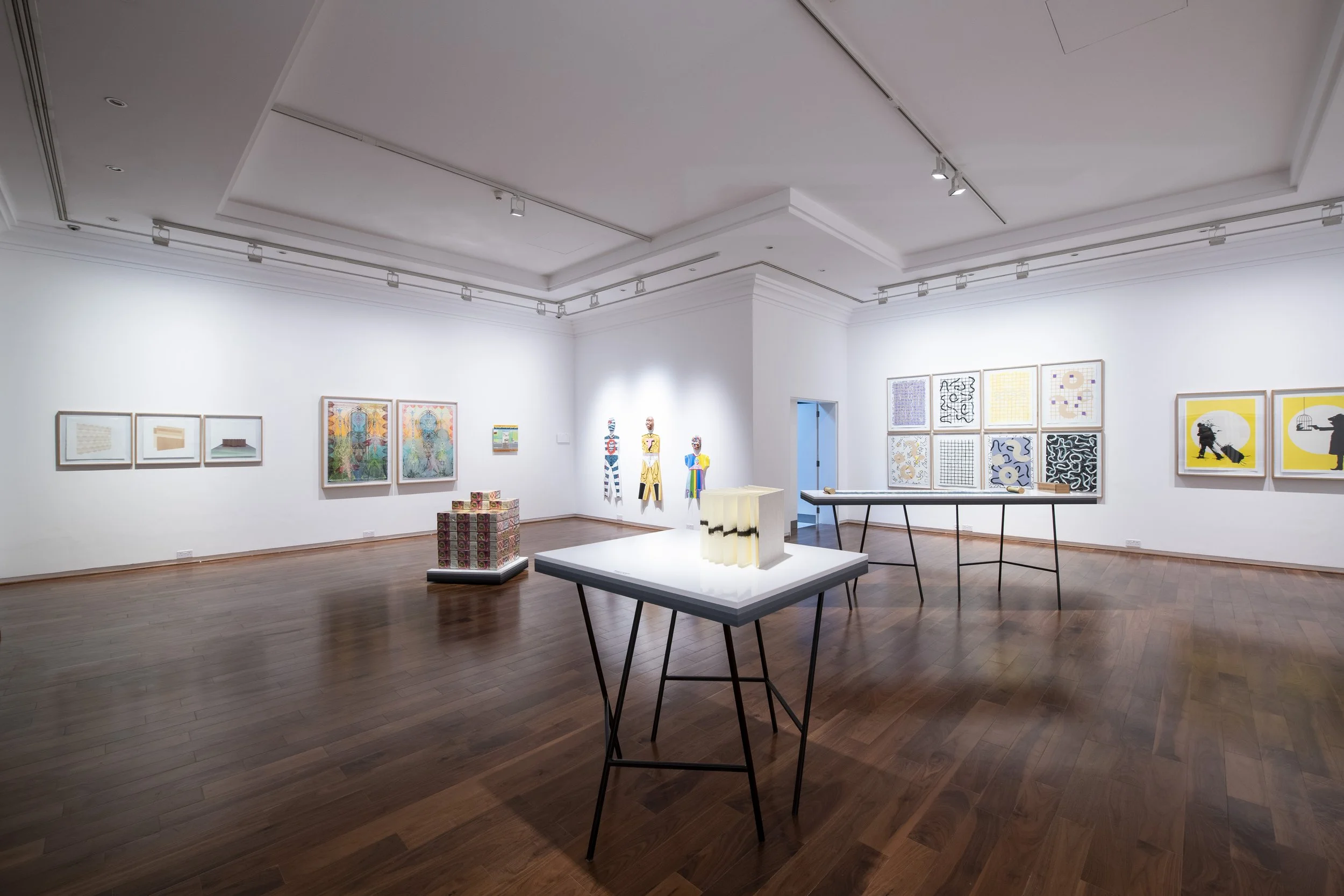
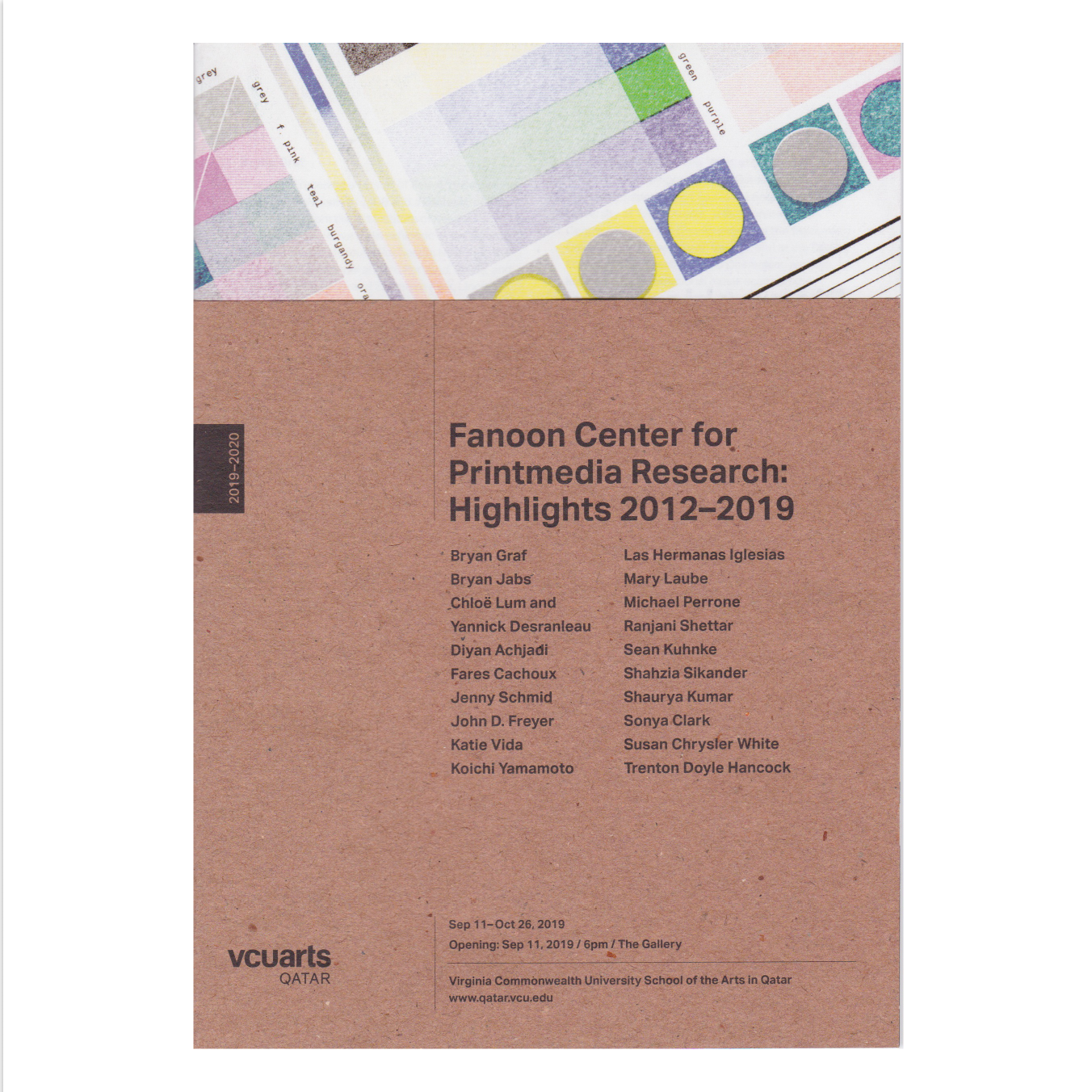
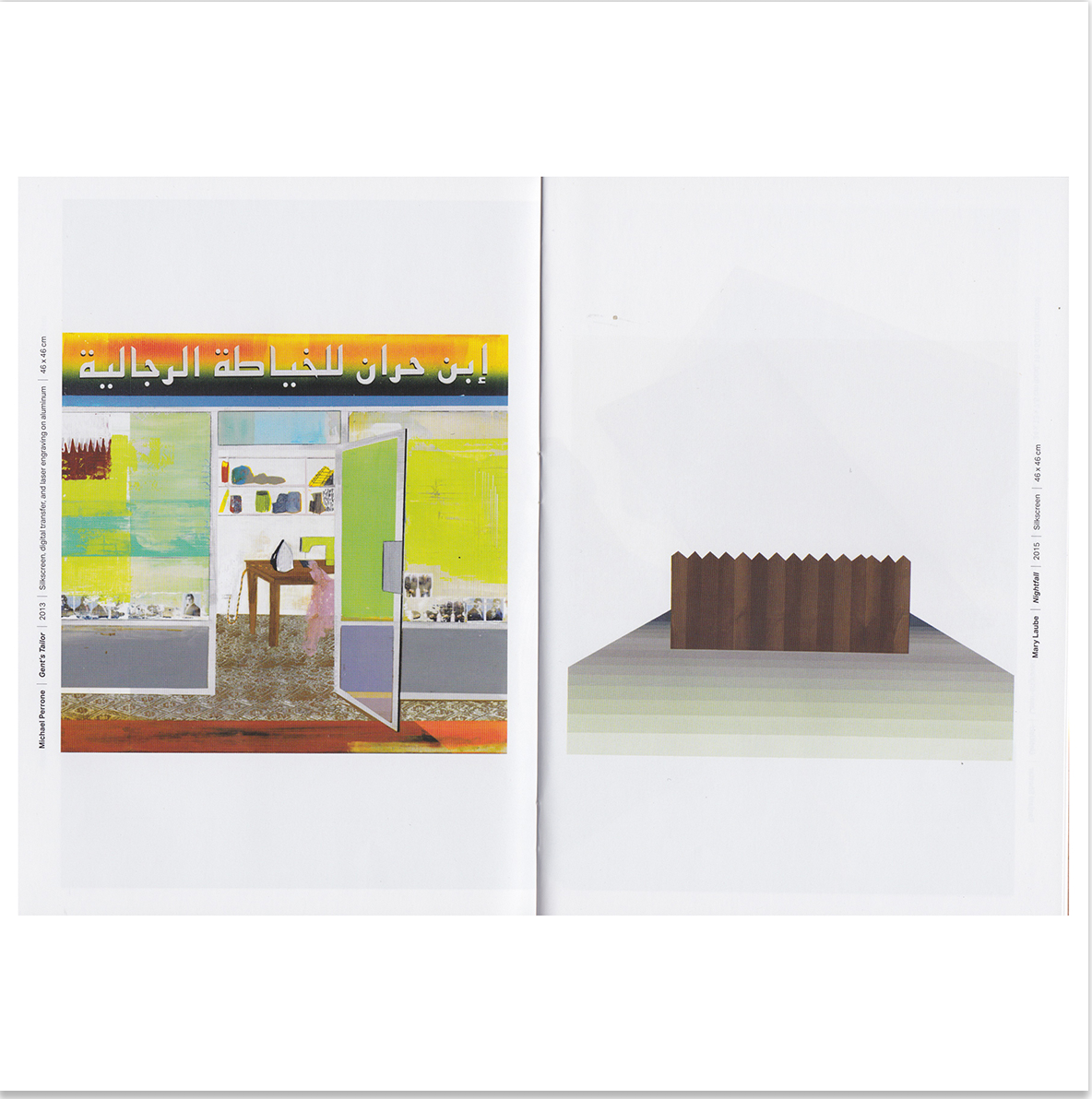
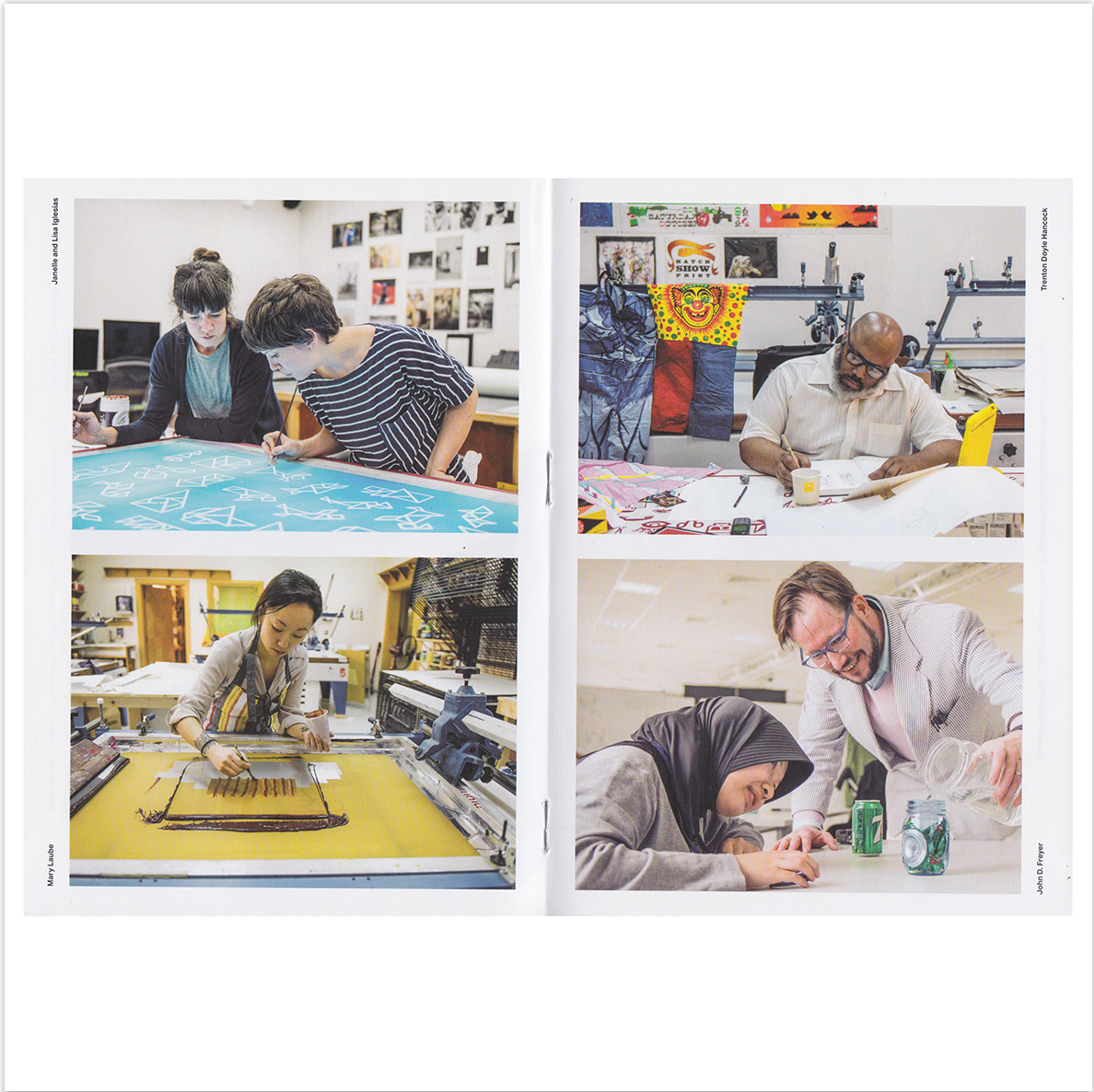
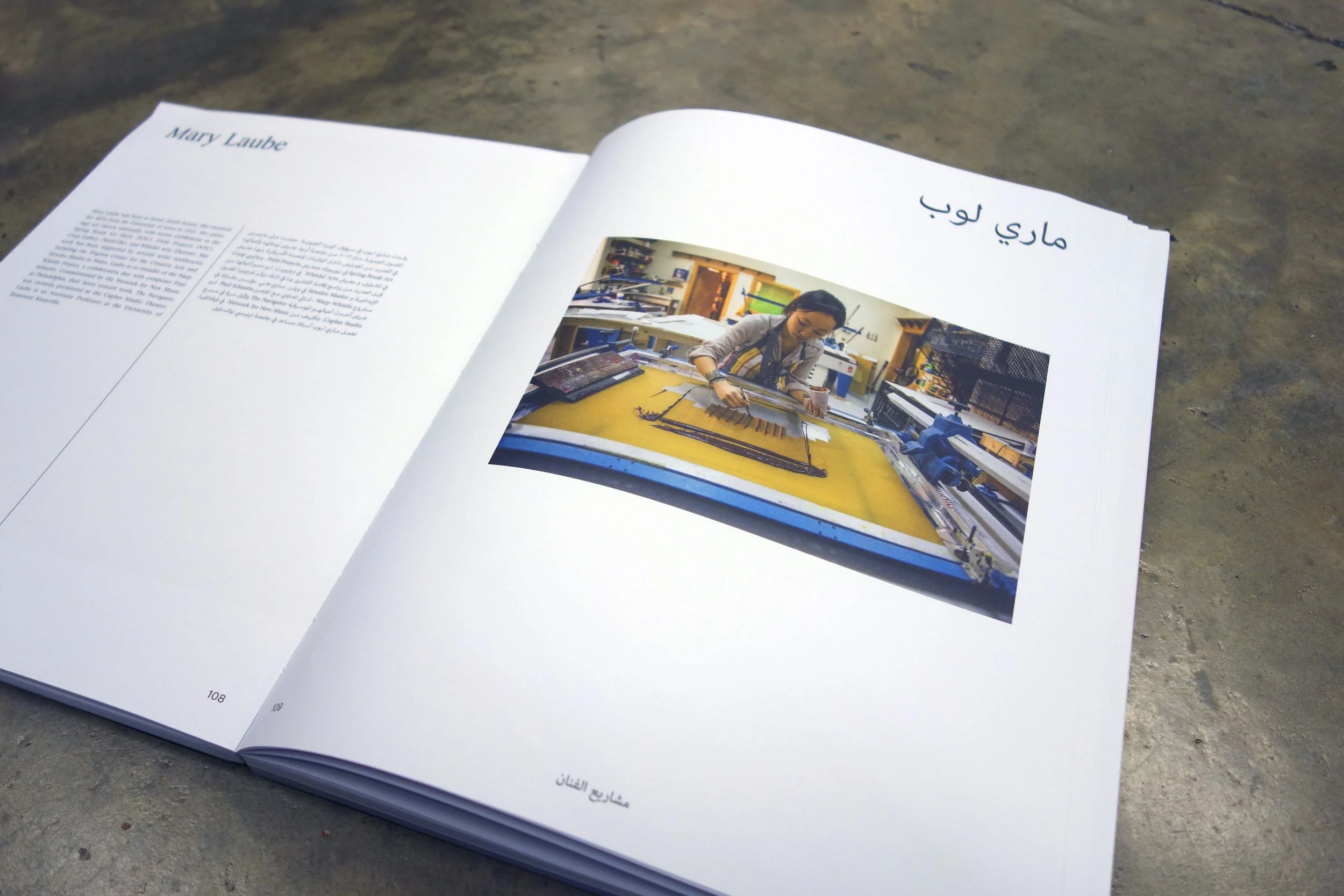
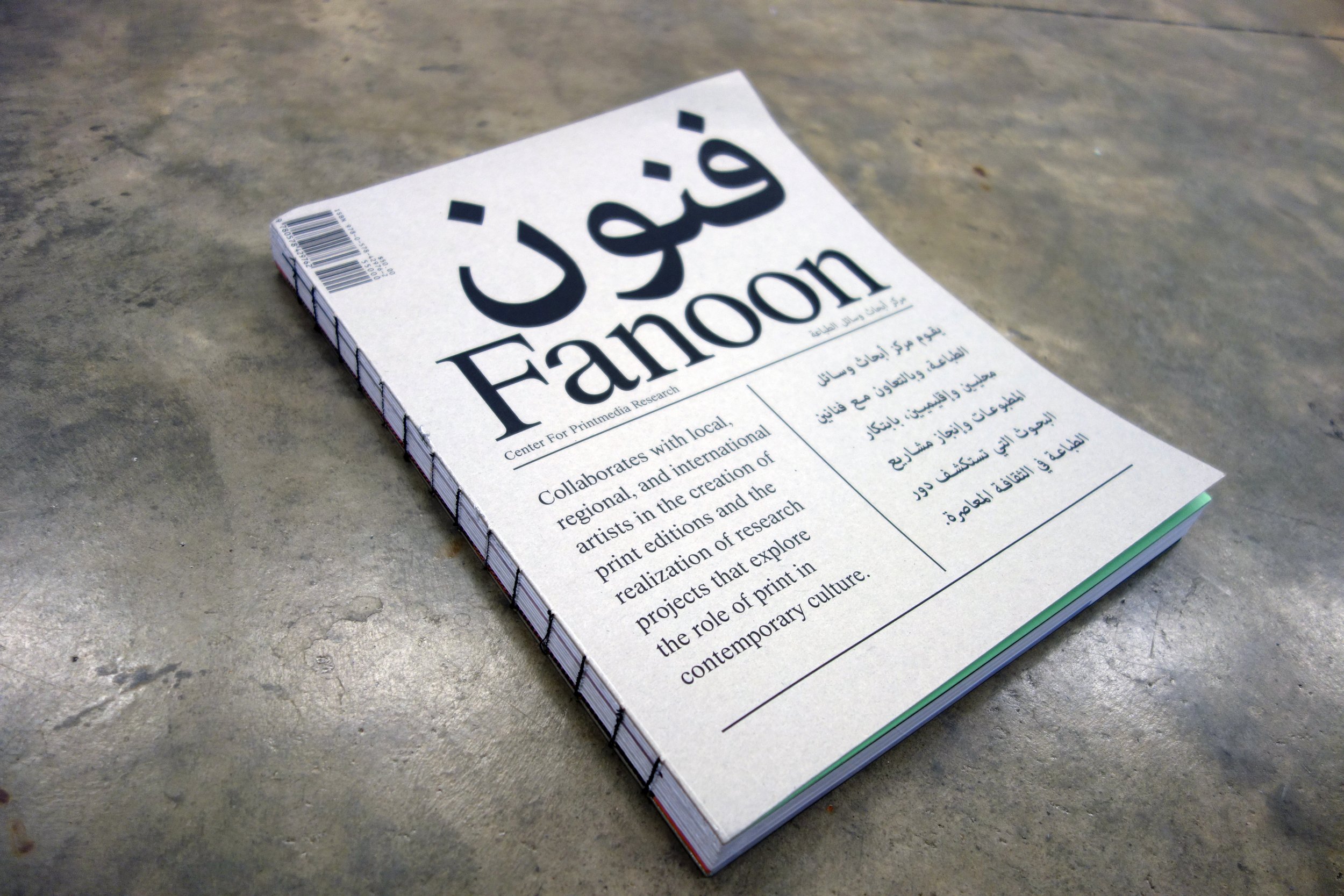
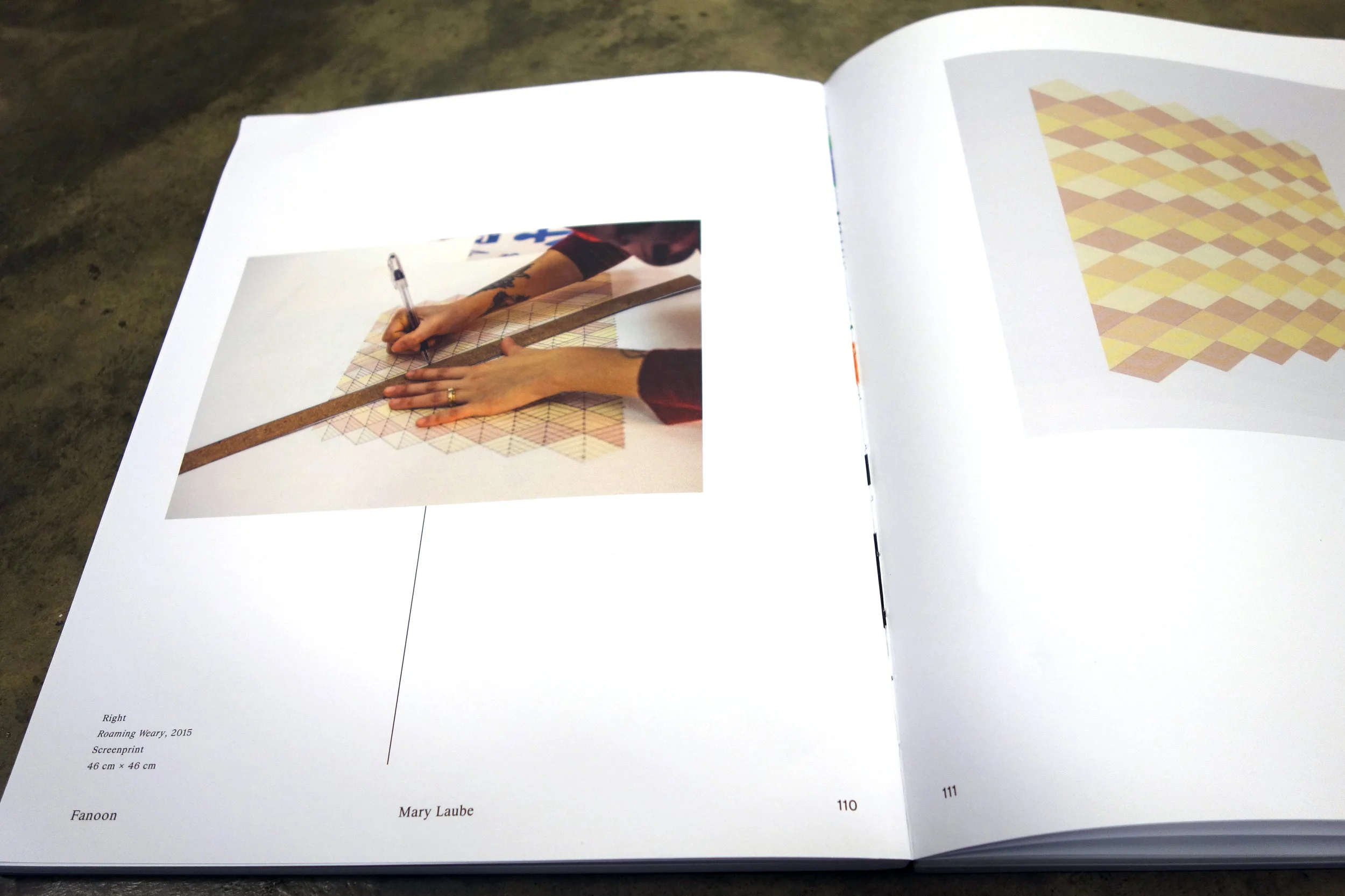
“Highlights 2012-2019” is the first retrospective of Fanoon Center For Printmedia Research’s growing collection of international and regional artists including Bryan Graf, Bryan Jabs, Chloe Lum and Yannick Desranleau, Diyan Achjadi, Fares Cachoux, Jenny Schmid, John D. Freyer, Katie Vida, Koichi Yamamoto, Las Hermanas Iglesias, Mary Laube, Michael Perrone, Ranjani Shettar, Sean Kuhnke, Shahzia Sikander, Shaurya Kumar, Sonya Clark, Susan Chrysler White and Trenton Doyle Hancock.
Timeshare
Monaco
May 10 - June 11, 2019
2701 Cherokee Street Saint Louis, MO 63118
Curated by:
Jeff Robinson
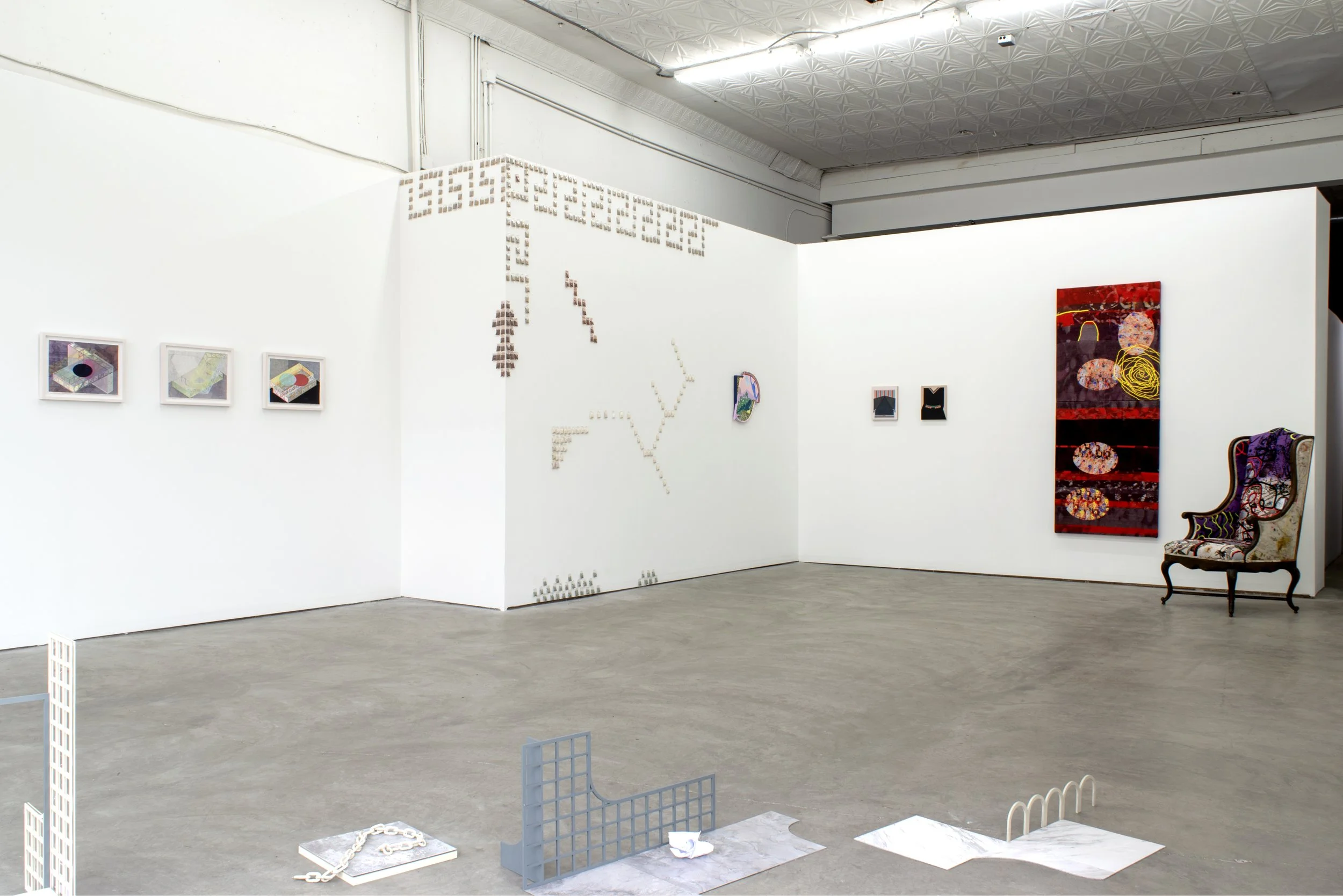
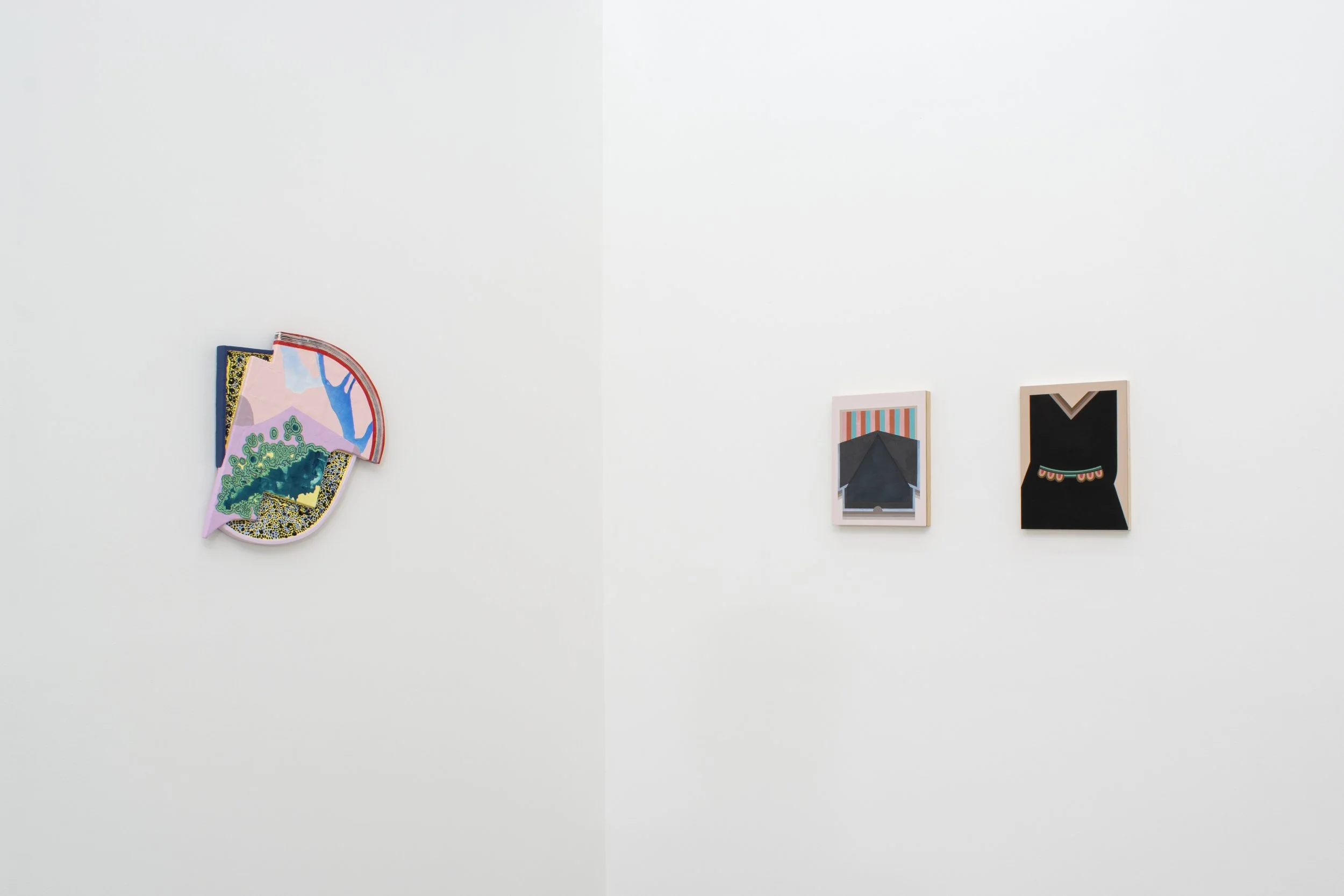
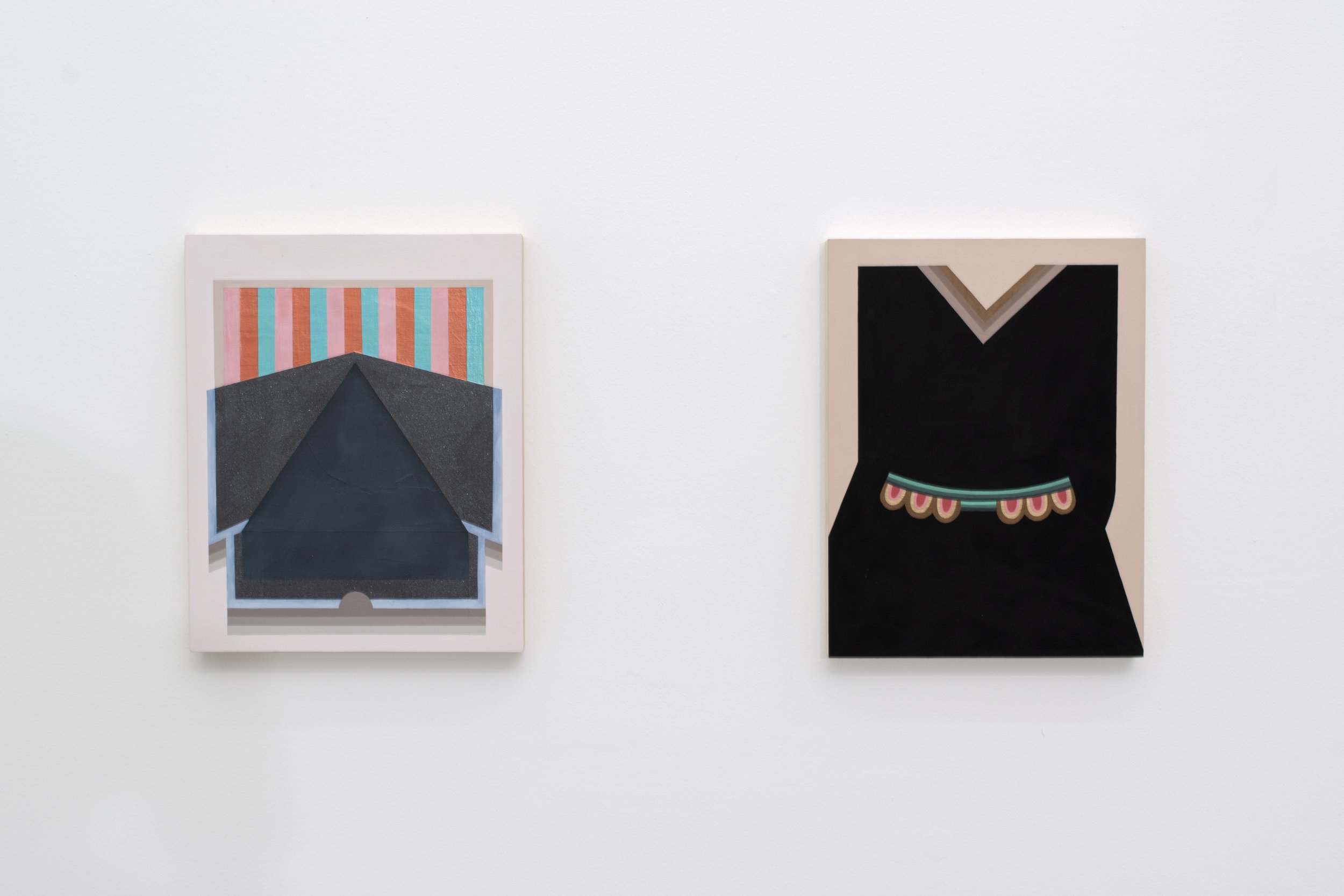
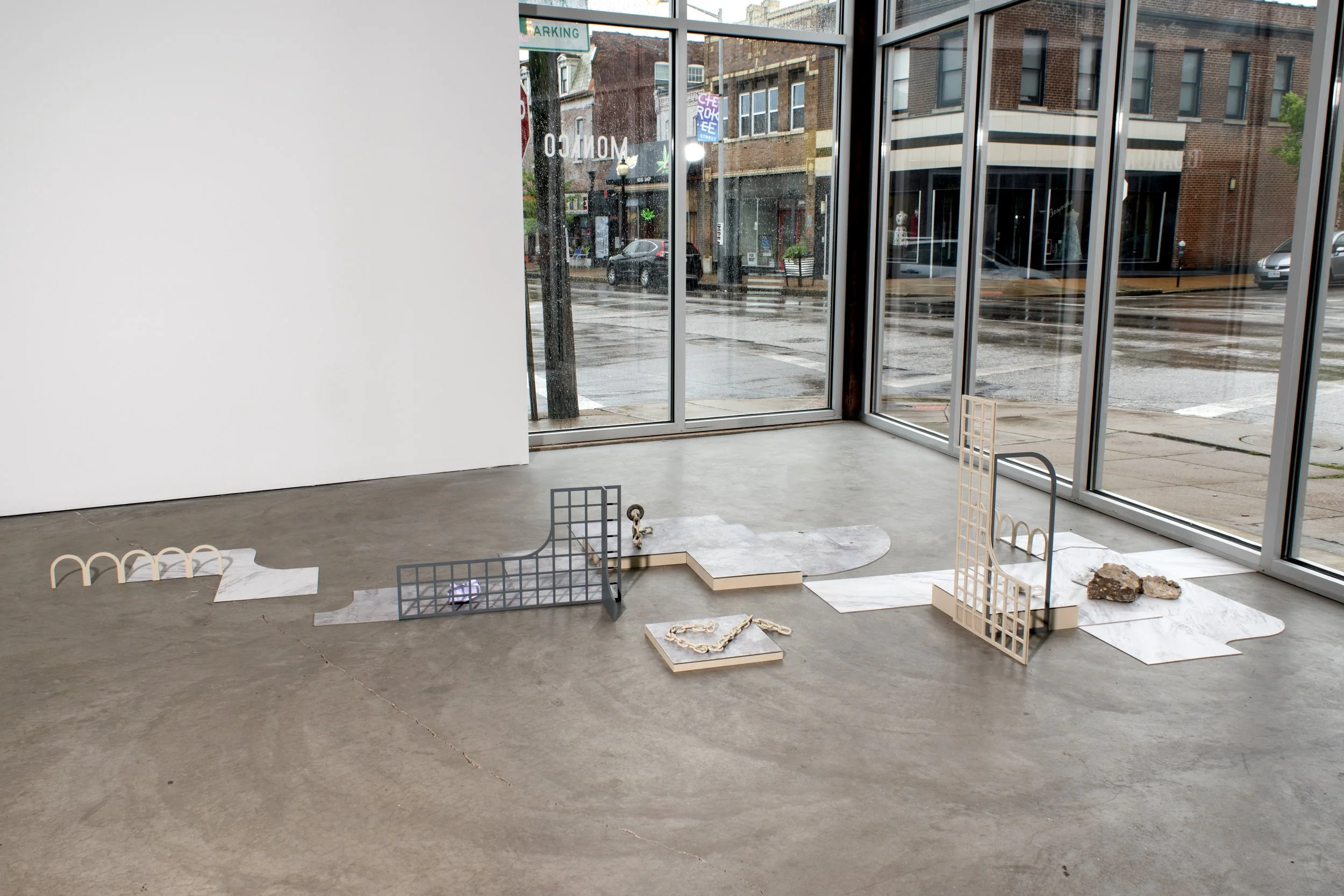
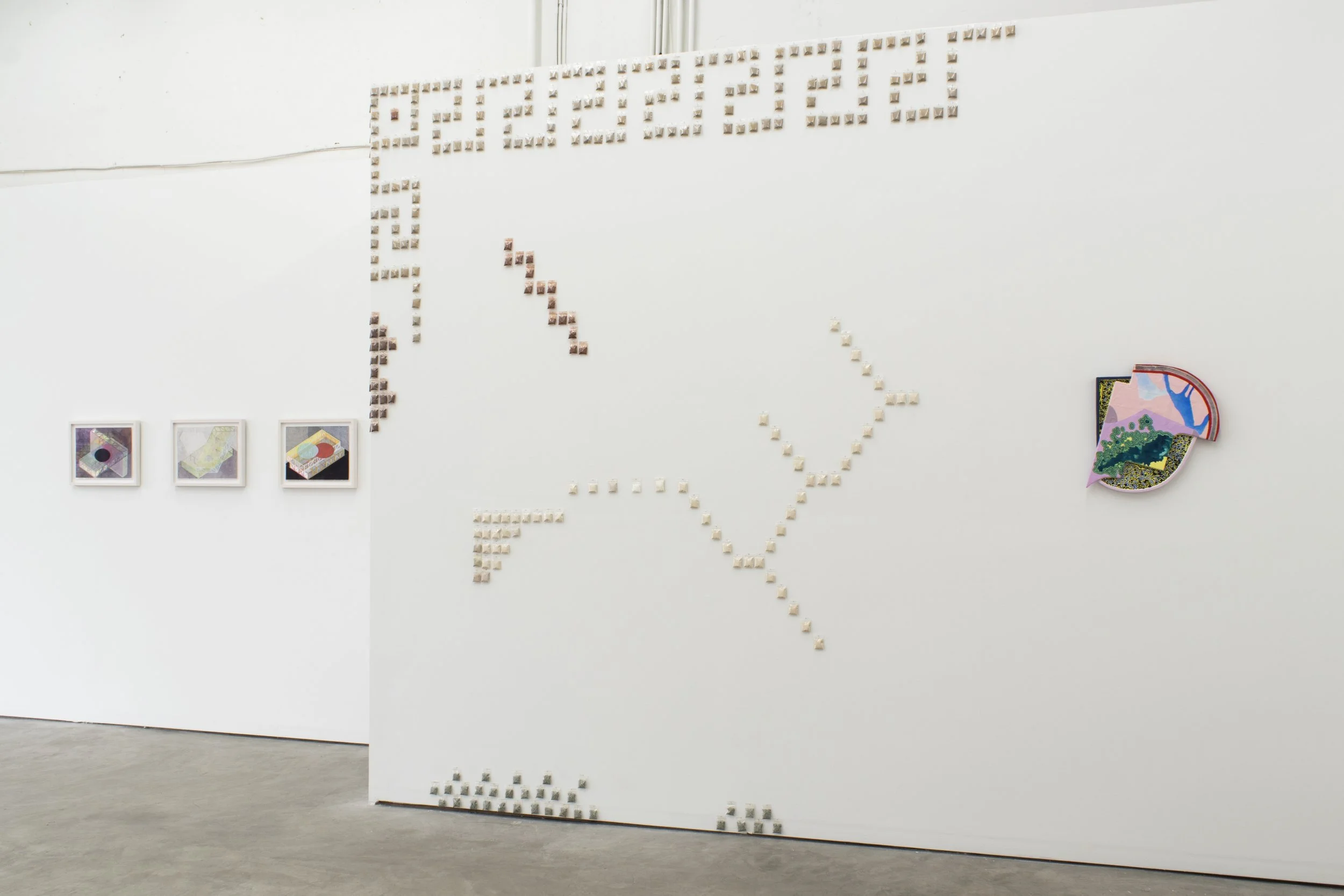
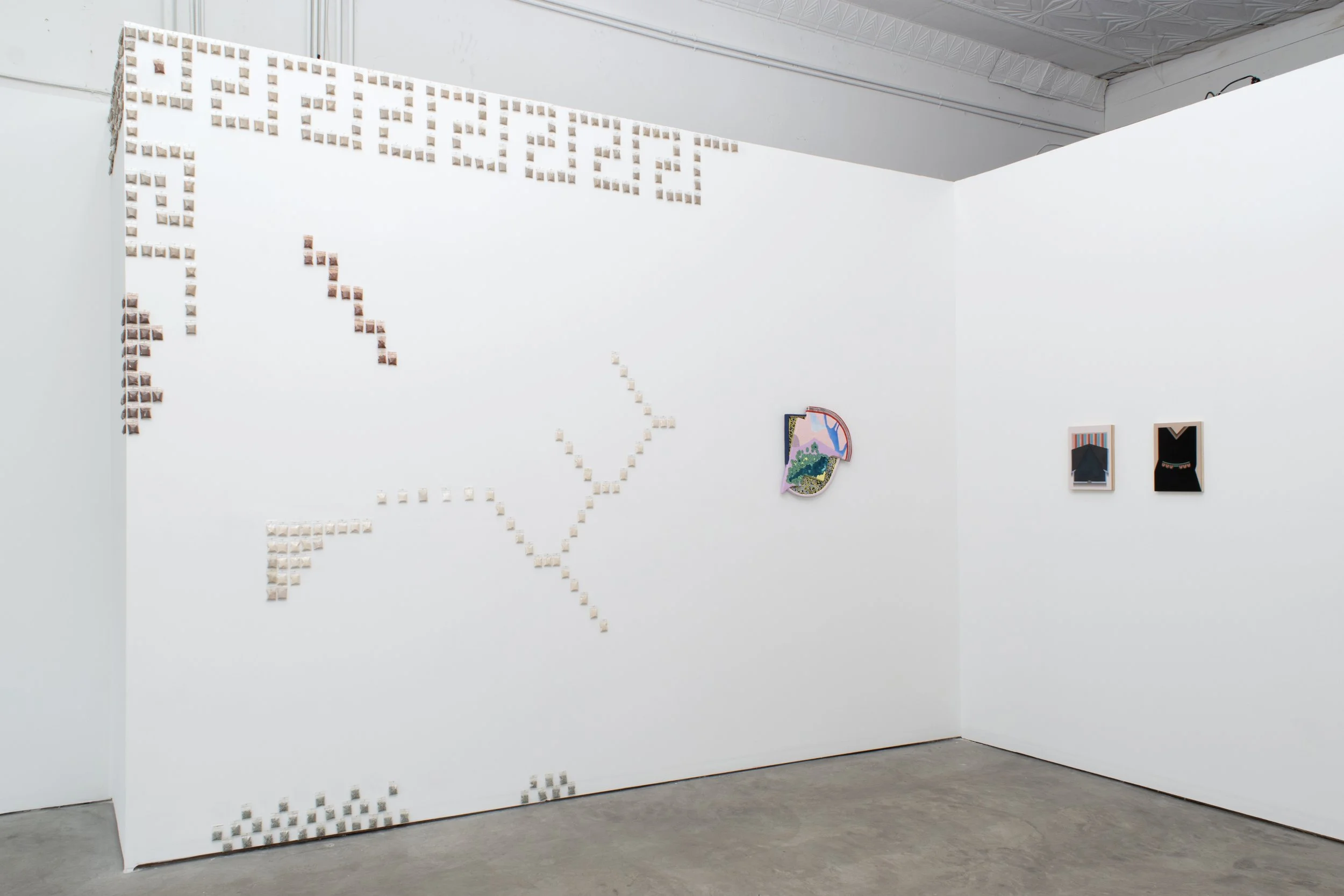
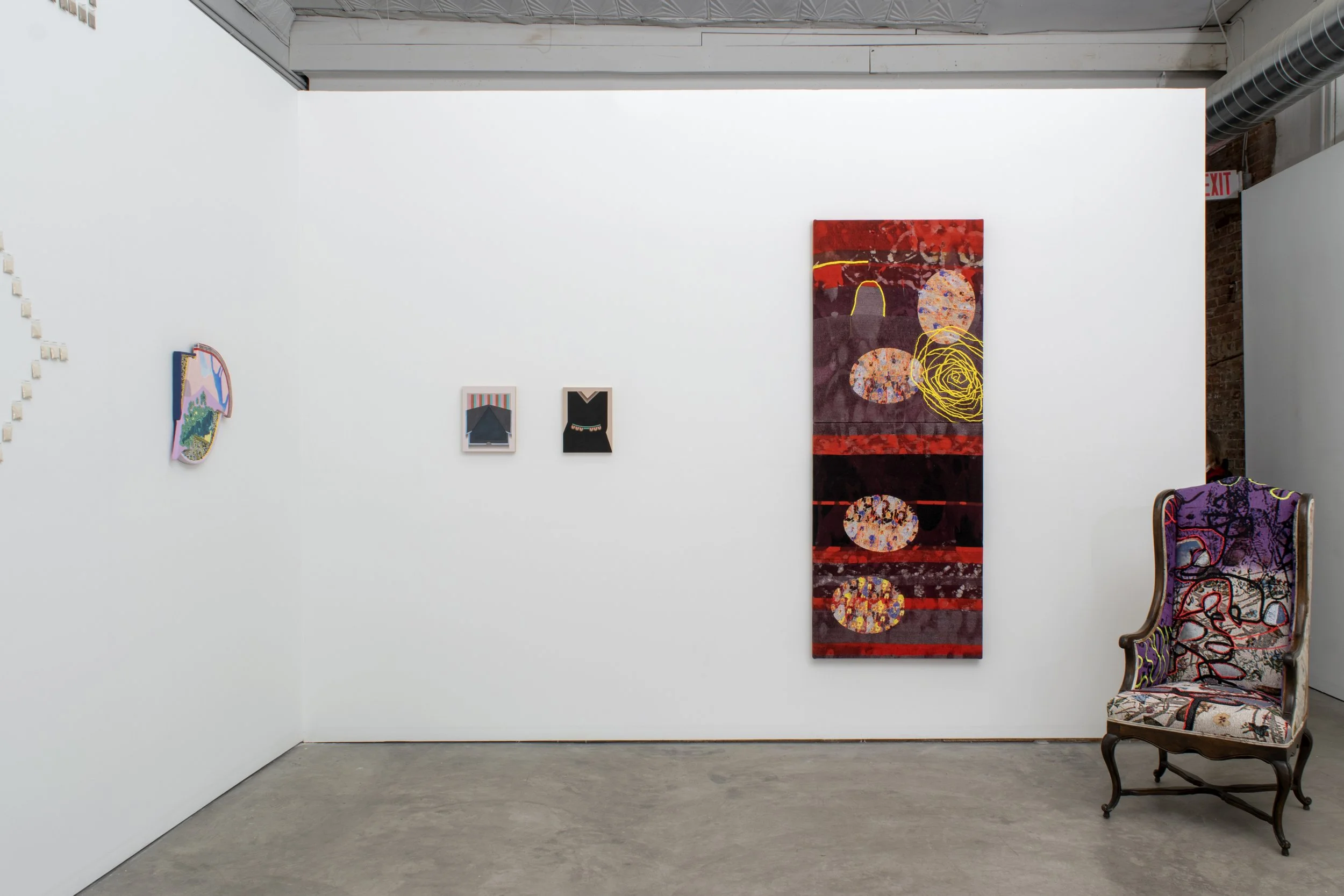
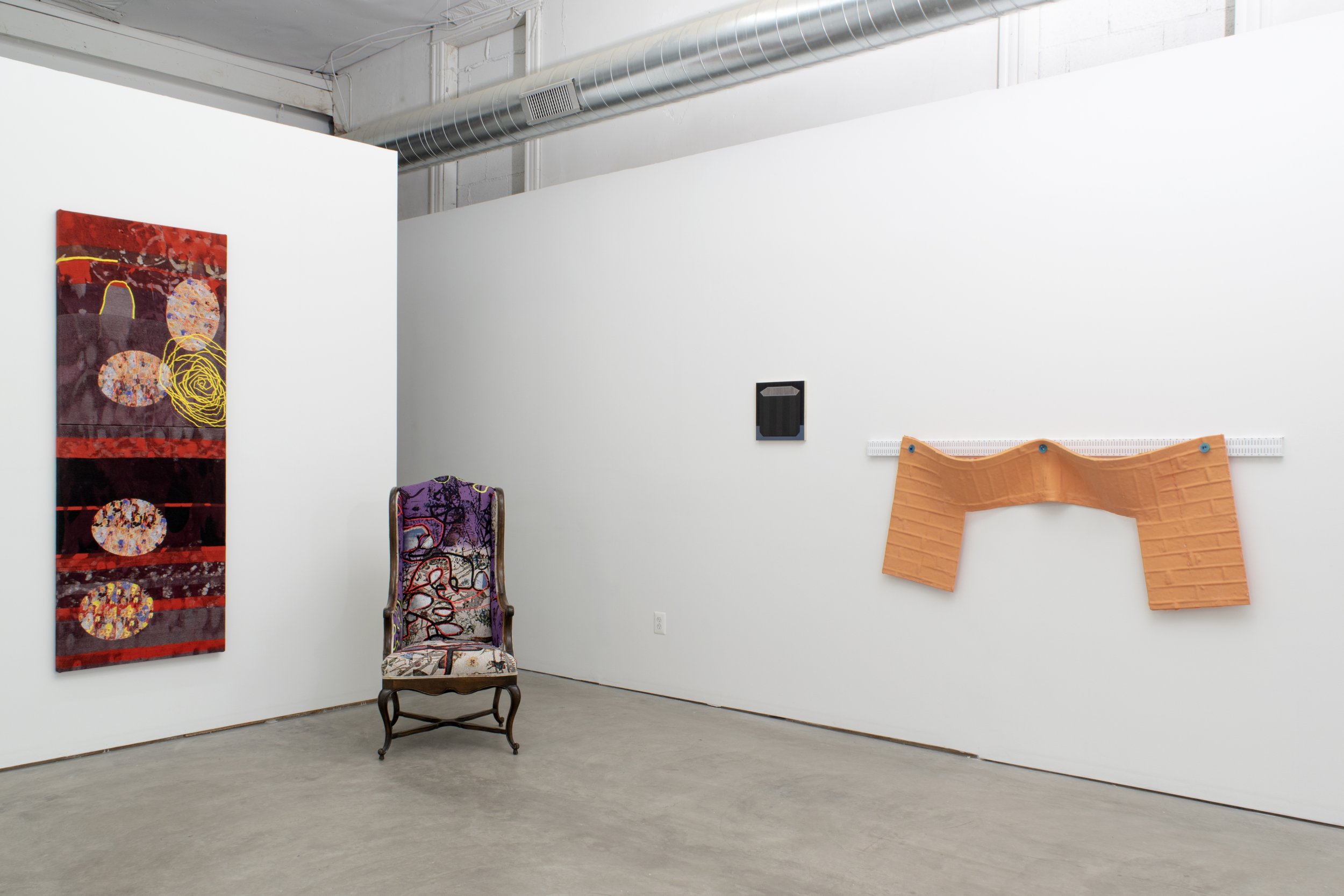
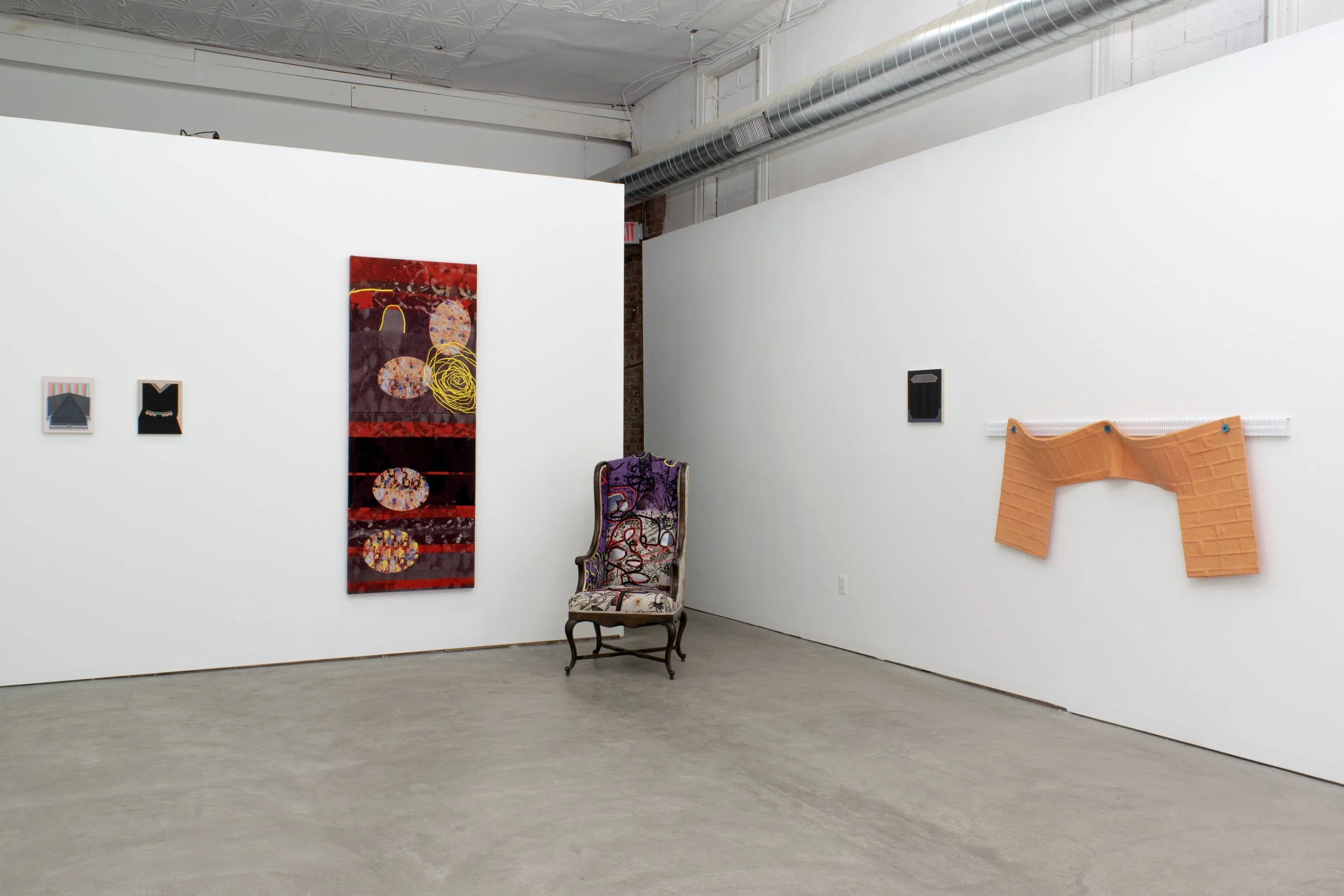
The exhibition Time Share makes reference to those dwellings with shared ownership as a lens for considering artist collectives like Monaco, and to engender a spirit of mutuality that is required in such communal spaces. The exhibition takes as its prompt the generosity of Sage Dawson, a member of Monaco, who has given her curatorial opportunity for this exhibition to take place. The artists featured in Time Share make work that parallel aspects of Dawson’s studio practice. Though each artist pursues divergent aspirations, common threads are seen throughout the work and include formal and material sensitivity, as well as reference to domesticity and architecture and an overall concern for the identity of space. Collectively, the works allude to a domestic-like setting that is necessary to instill a sense of community and reciprocity. Artists:
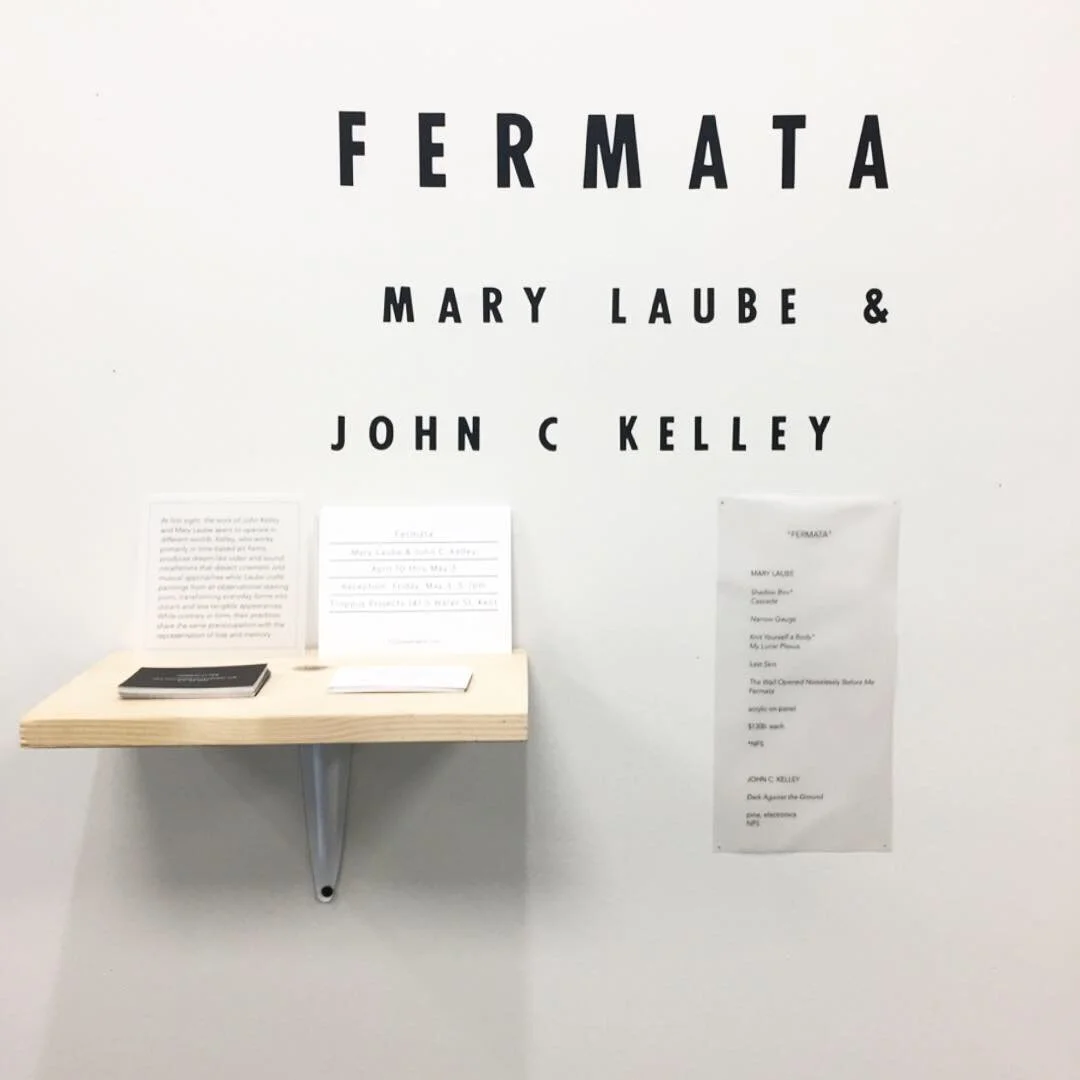
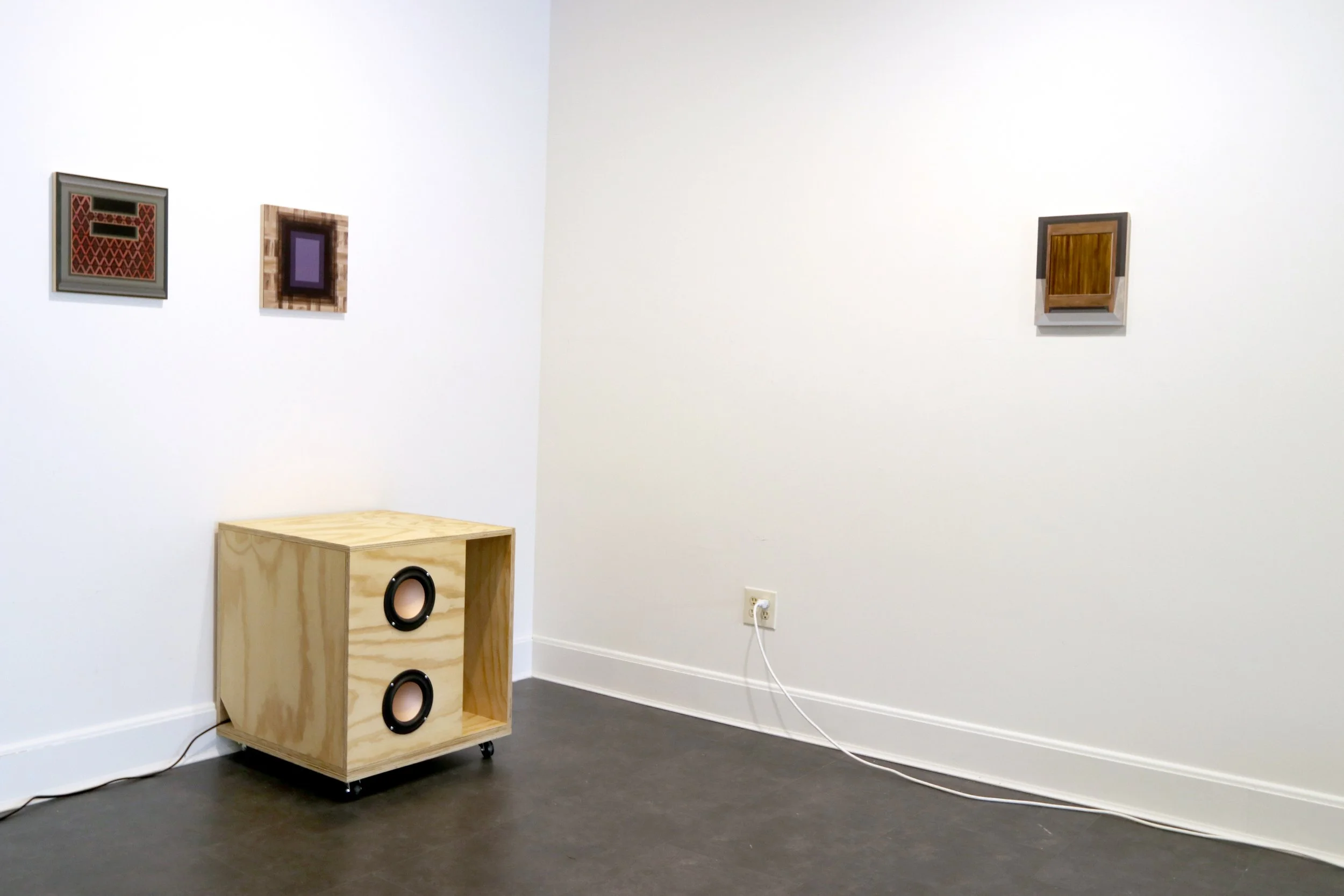
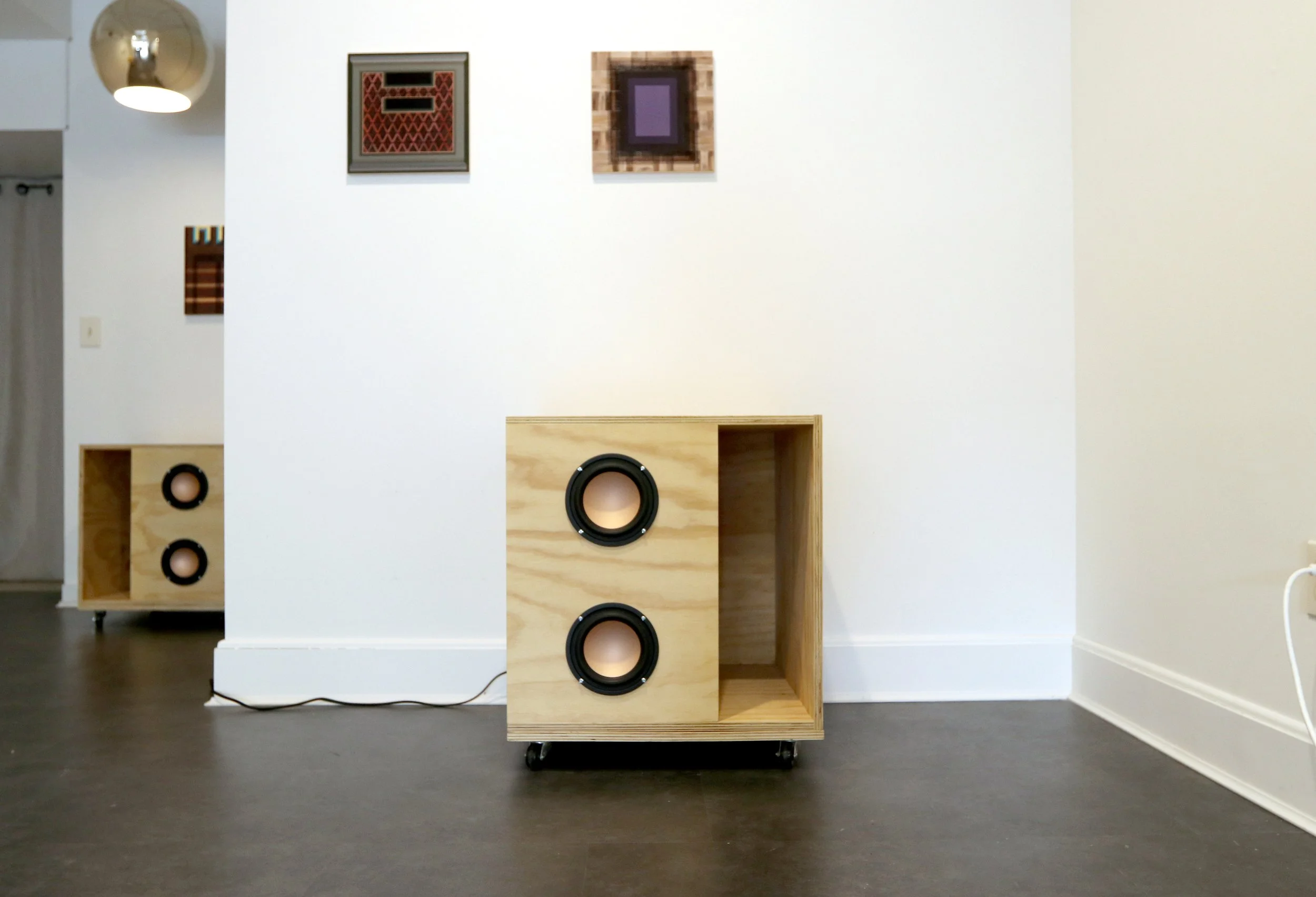
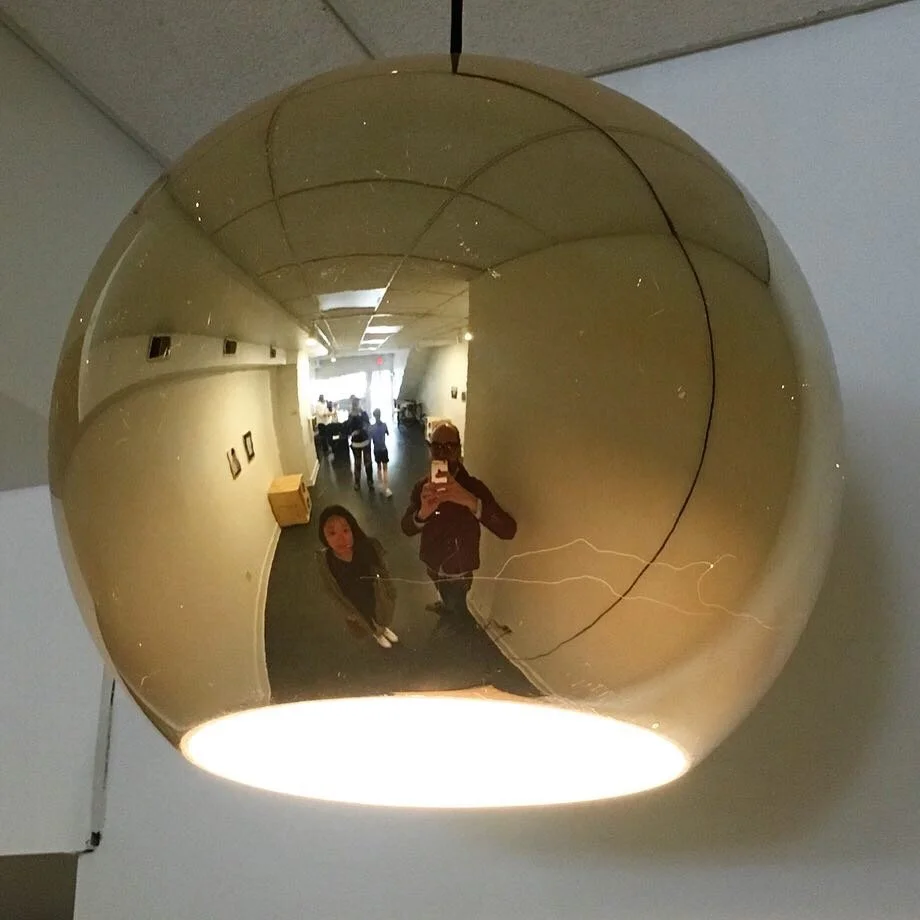
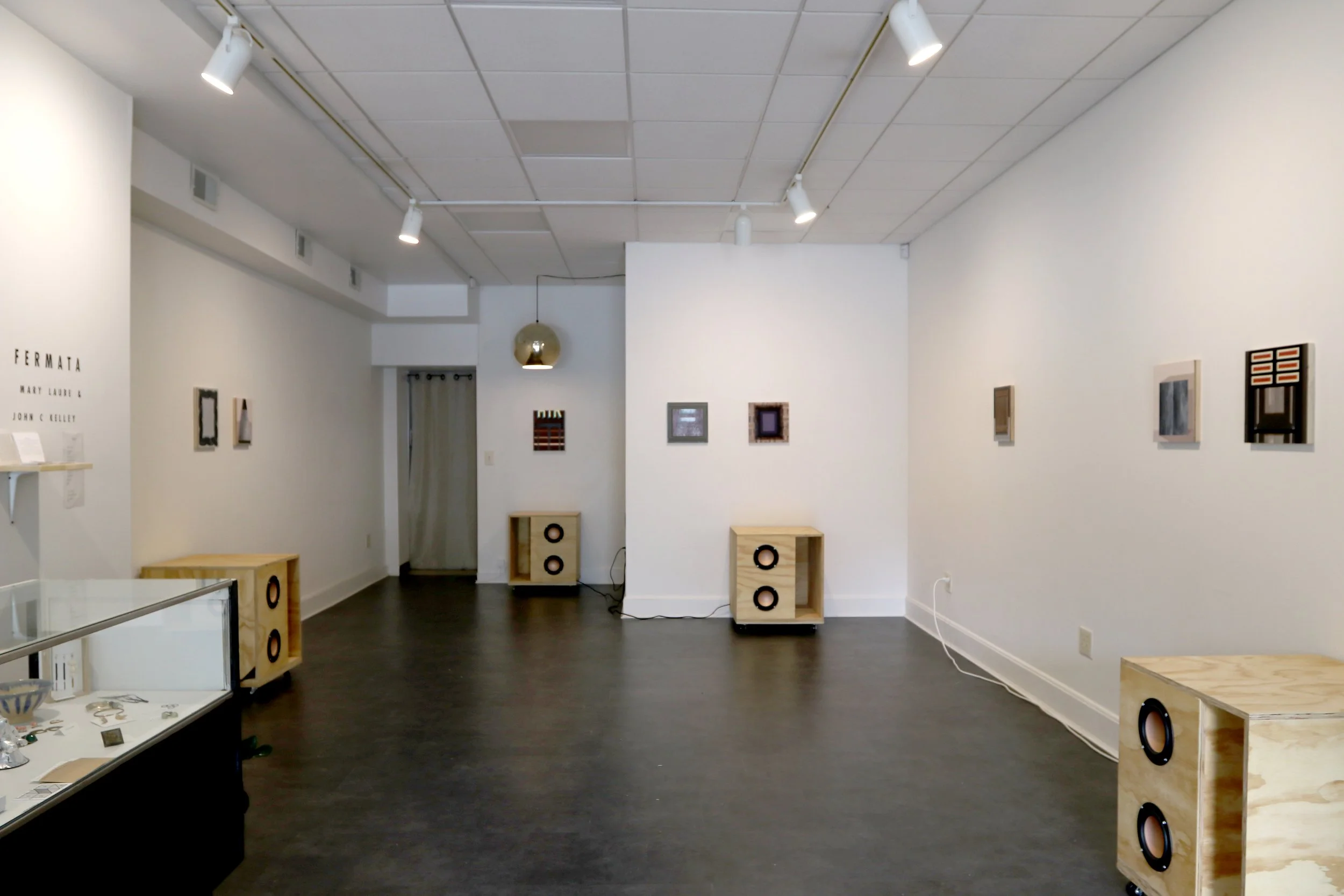
Fermata
Troppus Projects
with John C. Kelley
2019
141 S. Water Street Kent, OH 44240
Portals
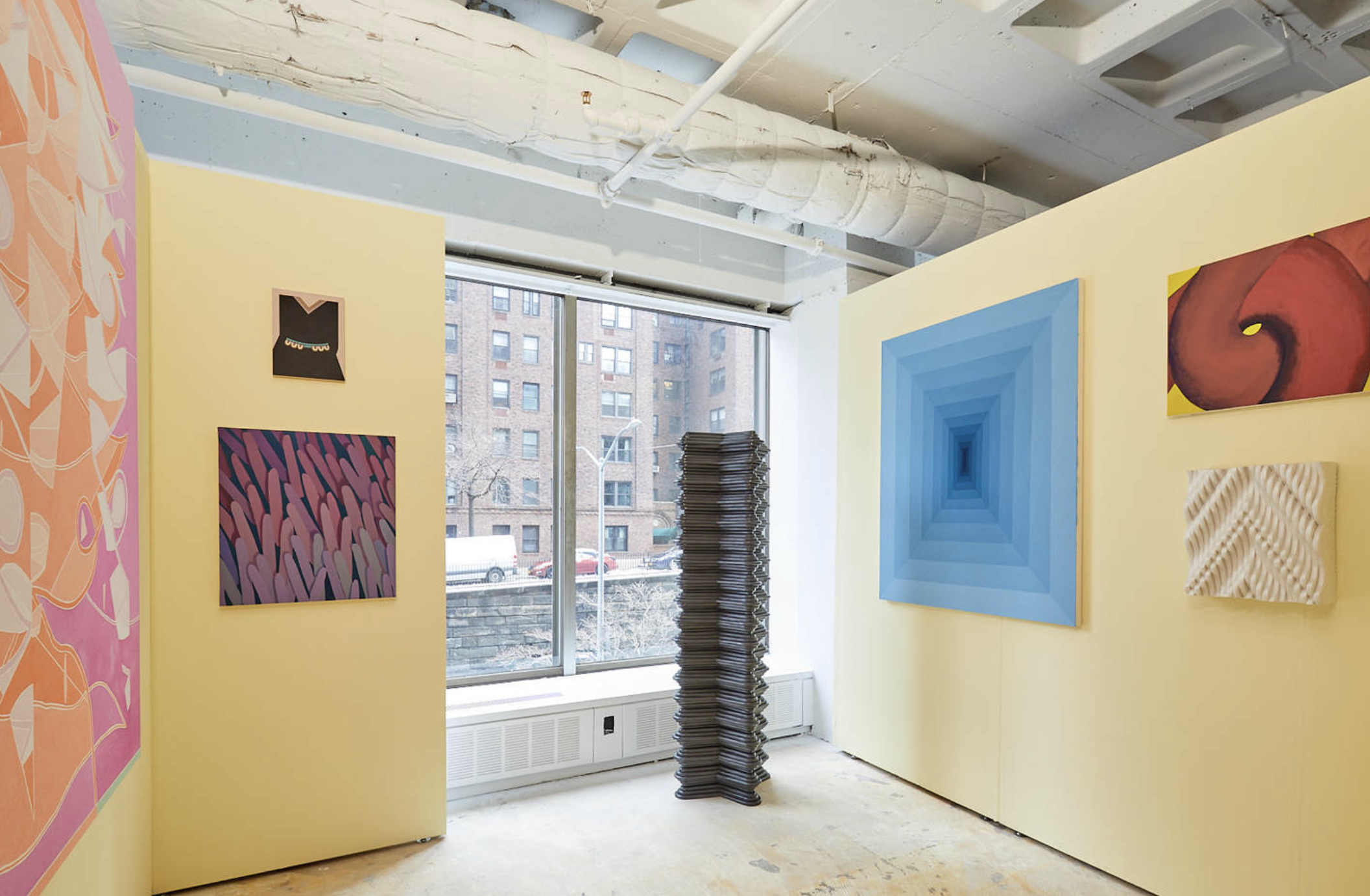
Spring/Break
March 5-11, 2019
866 United Nations Plaza New York, NY 10017
Curated by:
Ian Etter
Opening Reception: March 5
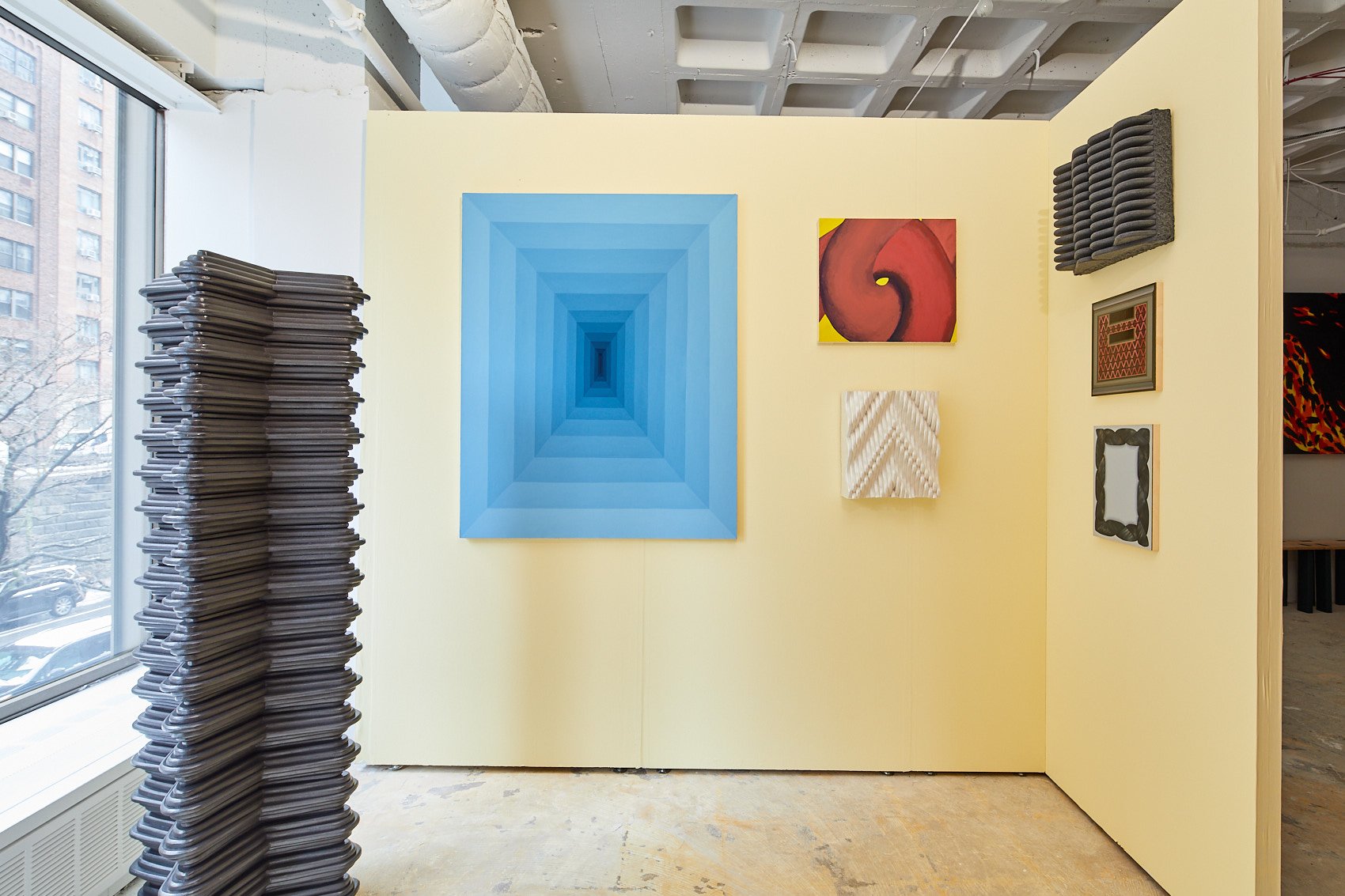
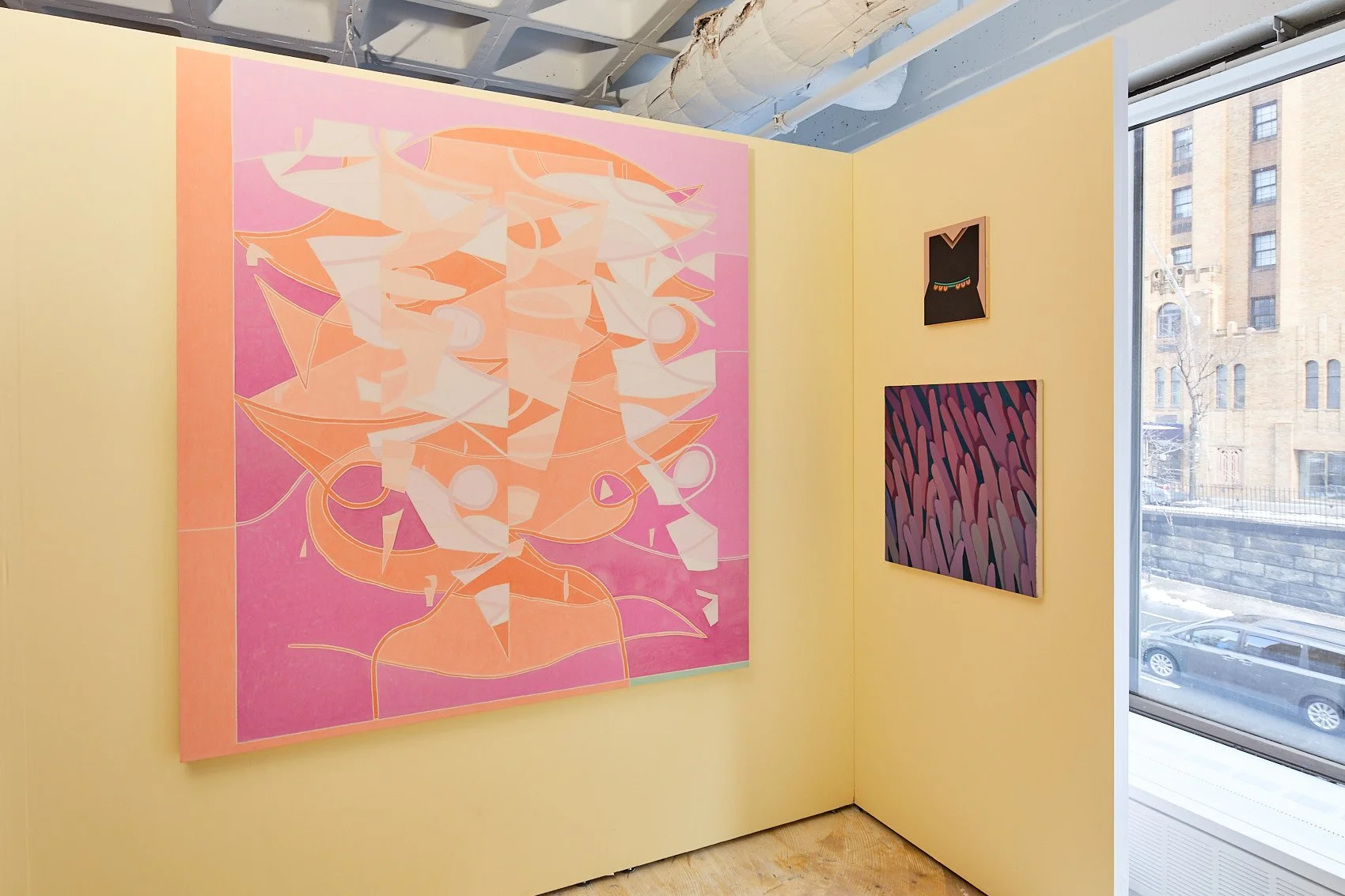
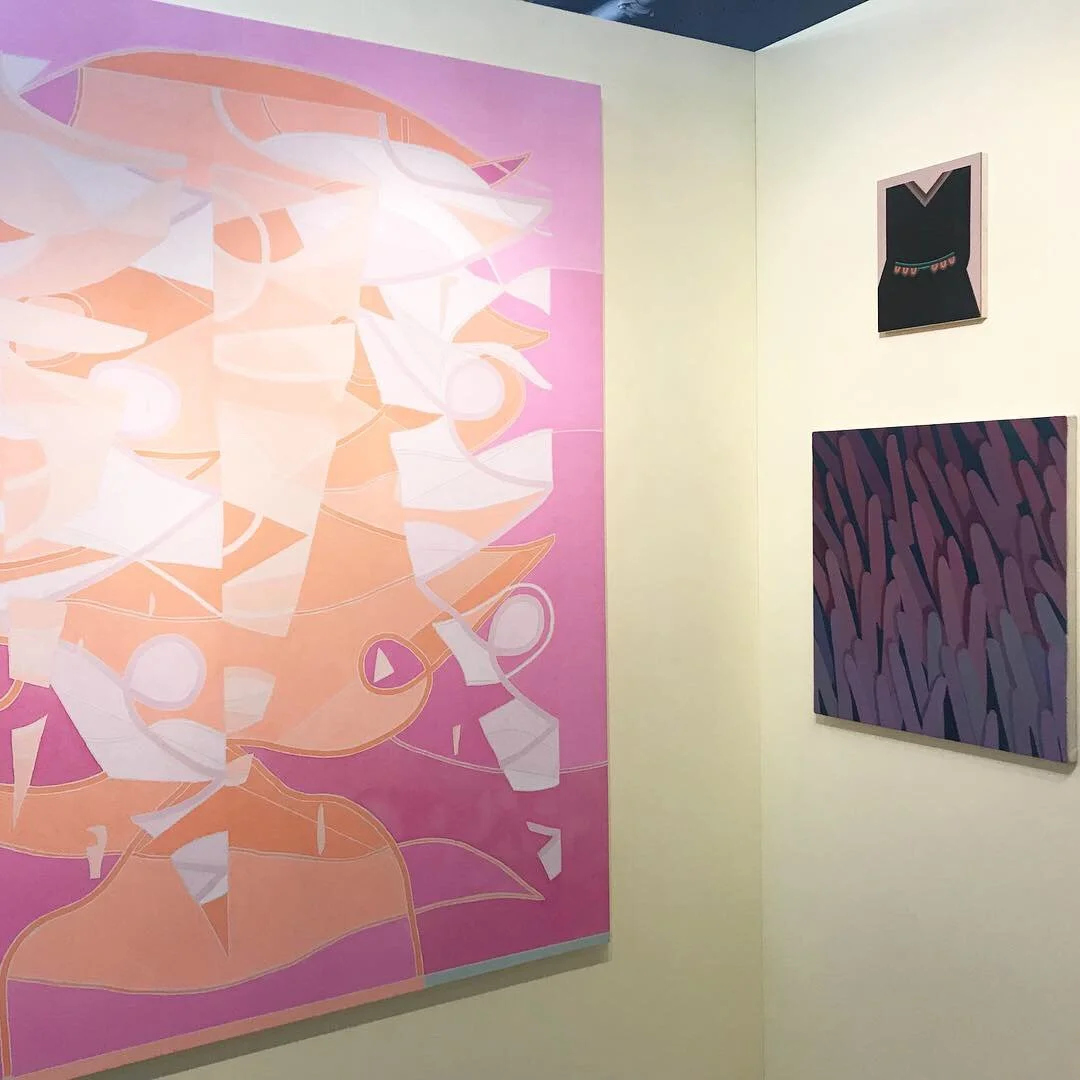
In a recent article for Bomb, Matthew J. Abrams highlights the innate qualities of Maggie Ogden’s raw canvases: “Most painters would desaturate a color through tinting or adding white, but Ogden’s monochromatic spectra are controlled through pure dilution, and in that way these painting are not just about lightness or dilution, but also erasure.” The roots of Ogden’s current approach to abstraction can be traced in Tarot (2014). This dichromatic, gestural painting is teeming with an accumulation of masked, cryptic notes. Like a page torn from a daily calendar, this earlier painting retains the minutia of her thought process. As Ogden’s work has shifted away from factual observation, these small memos have been replaced with motion, line and mark. Moving deeper into the fiction of the painting, Ogden’s work speaks to a mutable deletion through process.
This sensibility of transformative limitation is shared by Corydon Cowansage, Mary Laube, Amanda Martinez and Margaux Ogden, whose works comprise Portals. Operating within a spare vocabulary in which innately personal systems of logic displace empiricism and objectivity, these artists reference architectural spaces, personal artifacts and musical composition, both transcending and obfuscating their source material through pattern and repetition.
Corydon Cowansage’s Hole draws the viewer into the center of the painting through a series of concentric rectangles. One could be peering down a well or viewing a digitized, pixelated orifice. This observational relationship to the body is subverted through the lens of minimalism. Flattened perspective, optical radiance and anthropomorphized architecture animate her paintings, leaving the viewer floating over precarious walls and teetering stairs.
Mary Laube draws from such diverse sources as memorial artifacts and structures, traditional Korean adornment, dollhouses, and museum displays. Despite the flatness of parallel perspective, the layered surfaces of her paintings retain tactility. This interaction between likeness and object reflects a transference between corporeal and ethereal; analogous to the porosity between memory, imagination, and lived experience.
The sculptures of Amanda Martinez collapse the rigidity of archeological fragments with the softness of textile, while completely subverting and displacing one’s sense of scale. Mesmeric, monolithic forms are built from hand-carved, painted blocks of foam. Martinez’s early education in music plays a formative role in her artistic development; her work has been influenced by systems of musical composition and the visual translation of music in early music video technology. Testament from 2019 shows a latent relationship to music working within a more obscurely personal framework. In the absence of direct references, we are left with a purity of form in which the artist’s hand is subtly revealed.
Off-Kilter In Time
COOP Gallery
2016
507 Hagan Street Nashville, TN 37203
Curated by:
Fuel and Lumber Co
Opening Reception: July 2, 6–9 PM
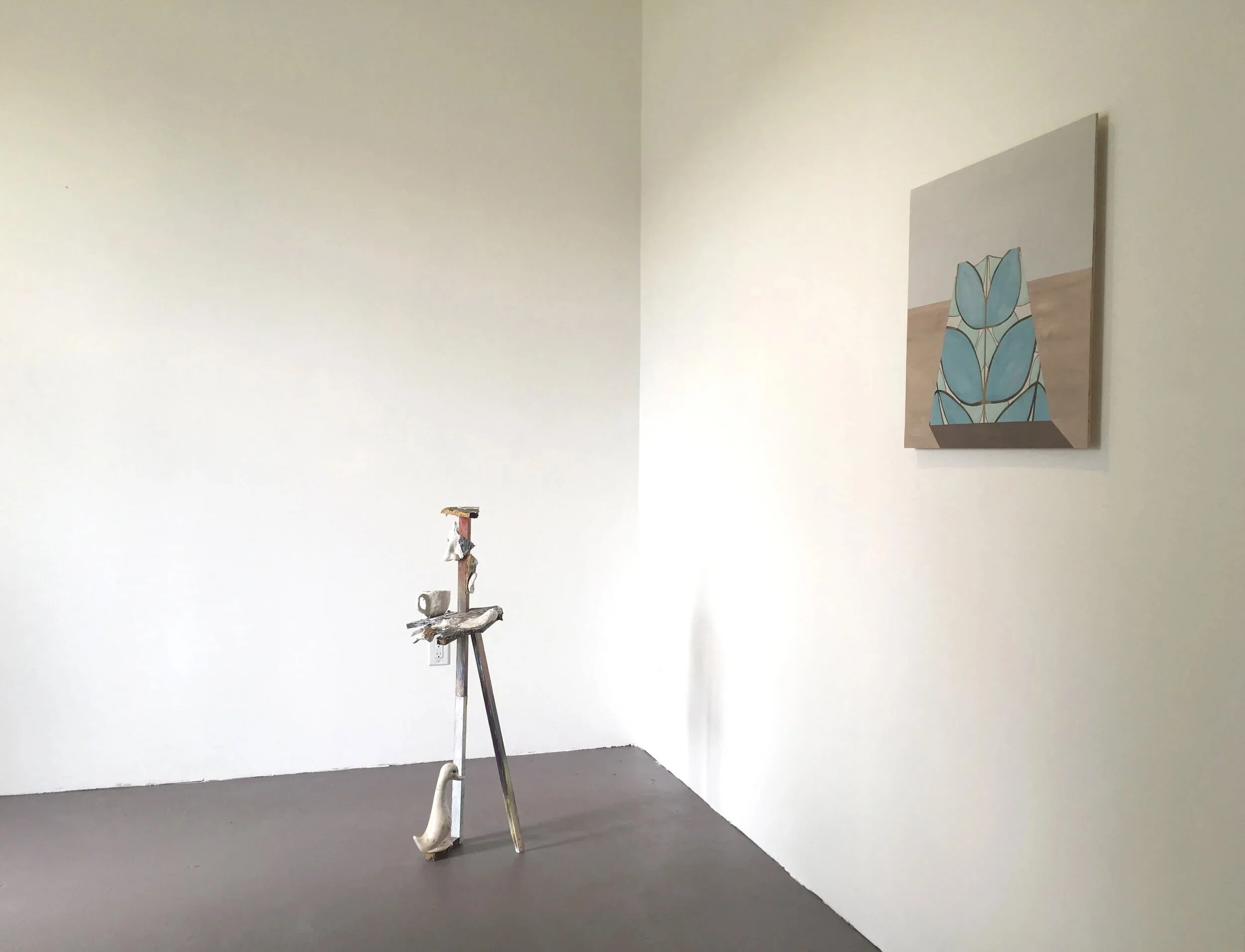
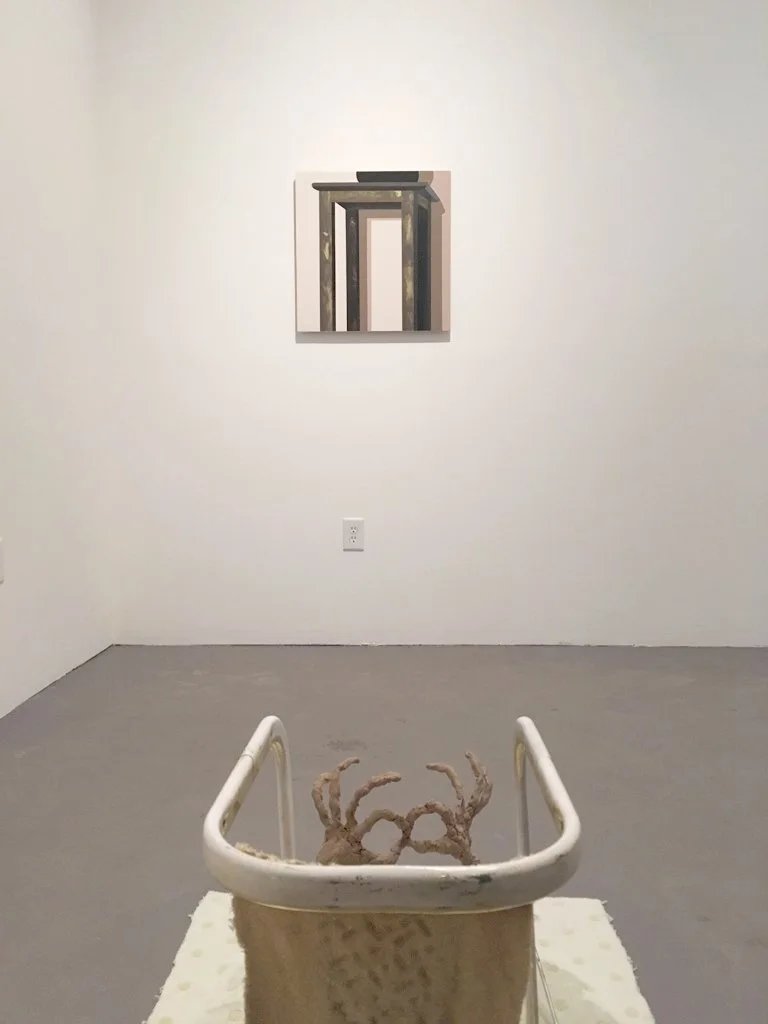
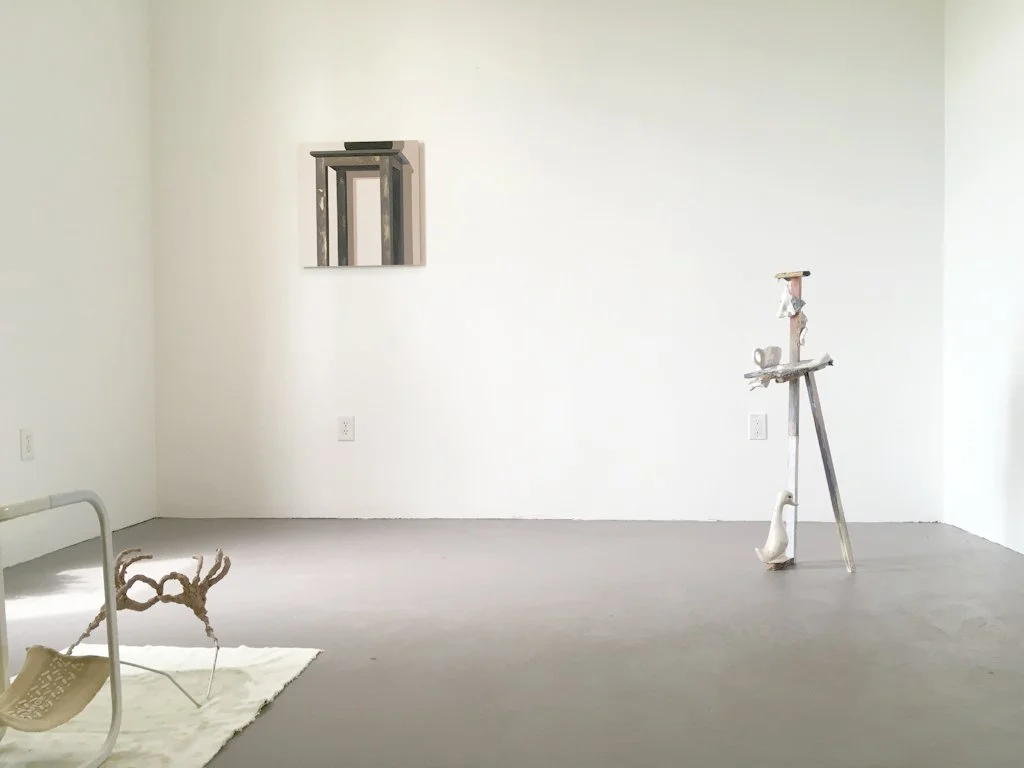
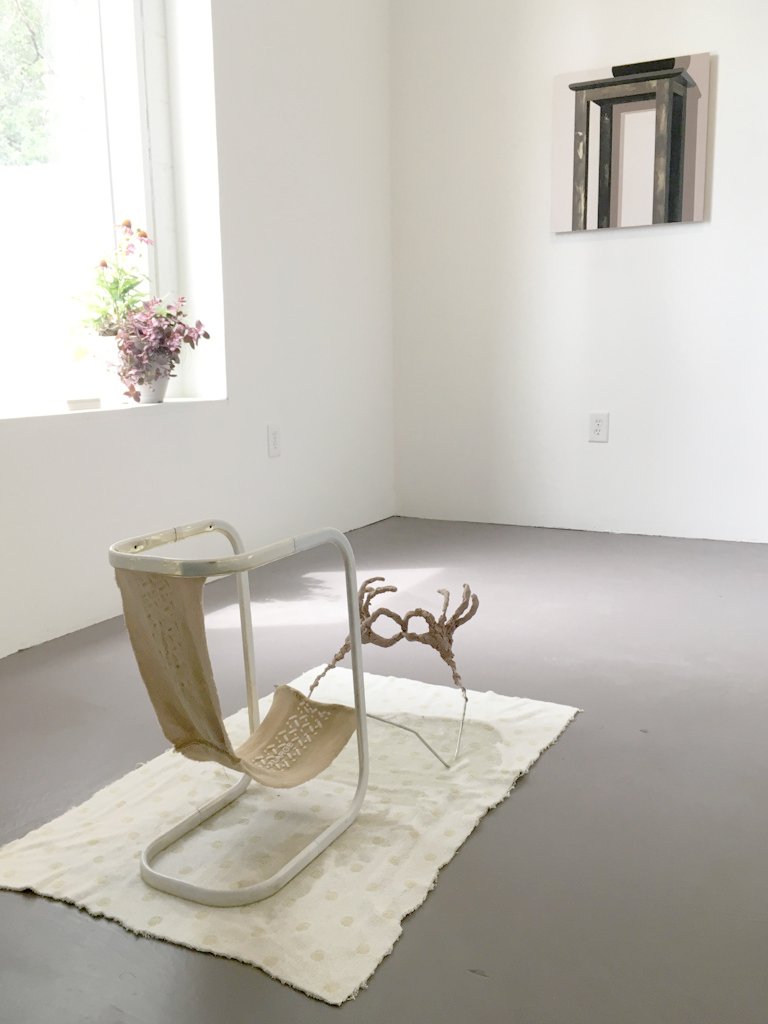
The Fuel And Lumber Company presents Off Kilter / In Time, a two-person exhibition with works by April Bachtel and Mary Laube. April Bachtel’s sculptures are made from second-hand artifacts that she dismantles and reassembles with both a violent and tender hand. In contrast to Bachtel’s rough-hewn objects, Mary Laube’s austere paintings of imagined, flattened worlds are at once familiar but removed from a reality directly perceived. Bachtel’s assembly of fragmented parts and Laube’s sharply cropped scenes distort our perspective and alter our sense of body and space.